How Post‑Election Power Shifts Could Reshape Real Estate in 2026
The November 4, 2025 local elections didn’t just produce headlines — they produced market shockwaves. From New York to Boston and down to Miami, newly elected leaders and policy revisions are creating ripple effects that will influence development costs, rental income, and investment strategies well into 2026.
For professionals across real estate, mortgage, insurance, and finance — including those leveling up their careers through Cameron Academy — these shifts offer fresh opportunities and new risks to account for.
With Zohran Mamdani elected mayor, NYC appears ready to advance some of the strongest tenant‑protection measures in the country. Proposed expansions to rent stabilization and affordability requirements could compress rental income and increase operating costs.
Run stress tests for potential rent‑freeze scenarios
Diversify between regulated and market‑rate units
Reevaluate underwriting assumptions for 2026
Track city council negotiations closely
Chicago: Sustainability Meets Steady Leadership
Chicago continues steering toward affordability and green development. With the Green Social Housing Ordinance and fluctuating property tax valuations, planners and investors are adopting more conservative frameworks.
Use conservative NOI and tax projections
Explore ESG‑aligned retrofits
Balance affordable and market‑rate holdings
Miami / South Florida: A Political Shakeup with Potential
Miami’s mayoral runoff between Eileen Higgins and Emilio González introduces policy uncertainty — but also opportunity. Developers anticipate streamlined permitting and expanded affordability initiatives depending on December’s outcome.
Delay major commitments until the runoff result
Stay flexible with financing structures
Partner with local developers to minimize exposure
Boston: Gradual but Significant Zoning Reform
Boston continues reshaping zoning rules under Mayor Michelle Wu, prioritizing affordability and redevelopment pathways. The predictable pace allows strategic planning — though some market‑rate assets may face reduced NOI.
Use zoning updates to spot conversion opportunities
Engage early in community planning
Track linkage fees and affordability thresholds
A Market in Transition: What 2026 Investors Should Watch
The national message is clear: housing policy has become market policy. From zoning to sustainability mandates, city leadership is directly reshaping property returns and investment timelines.
For professionals navigating this shift — especially students and alumni of Cameron Academy’s licensing programs — the environment is brimming with both challenges and fresh opportunity. Adaptive reuse, creative financing, and public‑private collaborations are quickly becoming competitive advantages.
And if you’re preparing to elevate your career in real estate or another licensed profession, discover modern, flexible education at Cameron Academy.
More Articles
Getting licensed or staying ahead in your career can be a journey—but it doesn’t have to be overwhelming. Grab your favorite coffee or tea, take a moment to relax, and browse through our articles. Whether you’re just starting out or renewing your expertise, we’ve got tips, insights, and advice to keep you moving forward. Here’s to your success—one sip and one step at a time!
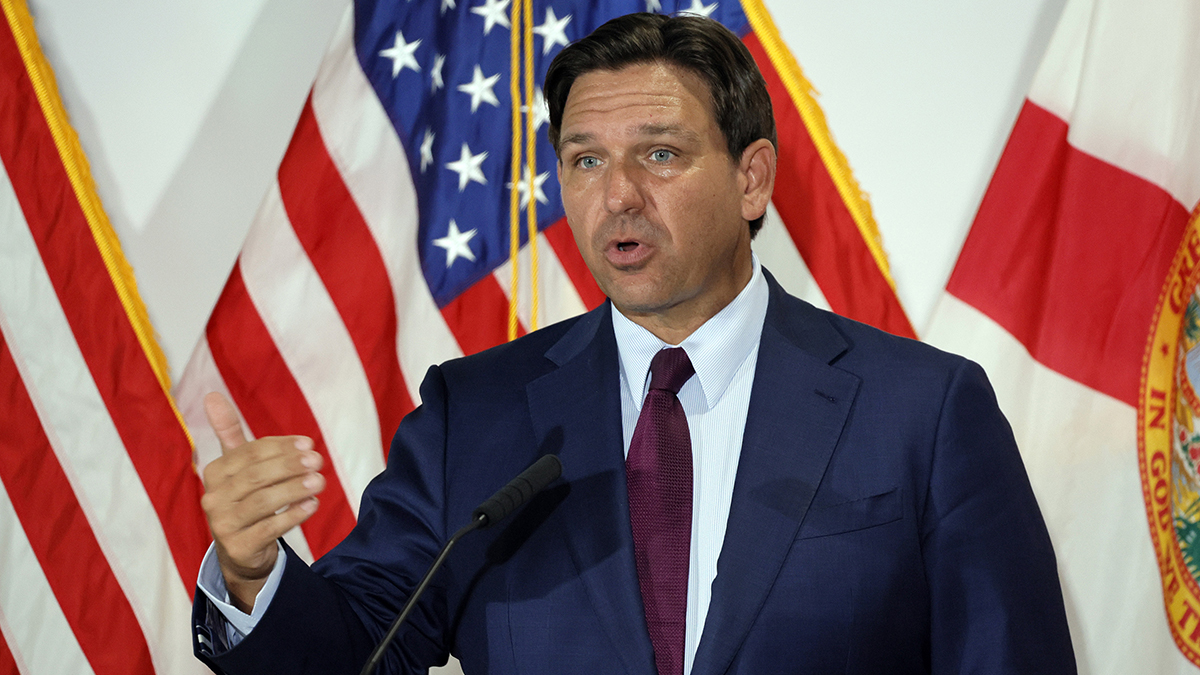
Florida homeowners — especially in hard‑hit South Florida — are set to see rare and substantial reductions in their property insurance premiums. Gov. Ron DeSantis announced an average statewide Citizens Insurance decrease of 8.7%, with even larger savings of up to 14% in counties like Miami-Dade, Broward, and Palm Beach. State officials credit recent legal and regulatory reforms for stabilizing the market, attracting new insurers, and delivering the first meaningful rate relief Floridians have seen in years.
Tampa’s commercial real estate market isn’t slowing—it’s maturing. With strong population growth, rising office demand, a normalized industrial sector, resurgent retail, and an emerging health‑care real estate boom, investors are shifting from speed to strategy. Tighter underwriting, cautious capital and increased due‑diligence are shaping a more disciplined market, creating new opportunities for informed professionals.
Florida homeowners are finally seeing relief as Citizens Property Insurance announces a major 8.7% average rate decrease—far larger than originally proposed. Driven by legislative reforms, fewer lawsuits, and a calm hurricane season, the state’s once‑unstable insurance market is showing real signs of recovery. But with reduced coverage limits and shifting legal protections, experts warn that lower premiums may come with hidden trade‑offs.
After a decade of rising premiums and retreating carriers, Florida homeowners are finally seeing long‑awaited relief. Dozens of insurers have filed for rate decreases—some as high as 11%—thanks to legislative reforms and a stabilizing market. Early approvals are already hitting counties across the state, and experts say the momentum could boost buyer confidence, affordability, and competition throughout Florida’s real estate and insurance sectors.
After years of slowed activity caused by rising interest rates, the self‑storage industry is heating up again. New data from Marcus & Millichap shows a fresh market cycle emerging, driven by renewed buyer confidence, recalibrated pricing, and stronger lender participation. Acquisitions are rebounding, development is resetting in a healthier direction, and financing conditions are improving—creating one of the most promising investment landscapes the sector has seen in years.
Brookline’s newly updated FEMA flood maps identify 97 high‑risk parcels, but local experts warn the true threat is far greater. While FEMA highlights river‑based flooding around Leverett Pond and the Muddy River, alternative models show more than 1,300 Brookline properties at risk within 30 years. Hidden vulnerabilities along major corridors like Beacon Street, rising rainfall intensity, aging infrastructure, and climate‑driven storm patterns suggest that many “low‑risk” areas may be anything but safe.