How Post‑Election Power Shifts Could Reshape Real Estate in 2026
The November 4, 2025 local elections didn’t just produce headlines — they produced market shockwaves. From New York to Boston and down to Miami, newly elected leaders and policy revisions are creating ripple effects that will influence development costs, rental income, and investment strategies well into 2026.
For professionals across real estate, mortgage, insurance, and finance — including those leveling up their careers through Cameron Academy — these shifts offer fresh opportunities and new risks to account for.
With Zohran Mamdani elected mayor, NYC appears ready to advance some of the strongest tenant‑protection measures in the country. Proposed expansions to rent stabilization and affordability requirements could compress rental income and increase operating costs.
Run stress tests for potential rent‑freeze scenarios
Diversify between regulated and market‑rate units
Reevaluate underwriting assumptions for 2026
Track city council negotiations closely
Chicago: Sustainability Meets Steady Leadership
Chicago continues steering toward affordability and green development. With the Green Social Housing Ordinance and fluctuating property tax valuations, planners and investors are adopting more conservative frameworks.
Use conservative NOI and tax projections
Explore ESG‑aligned retrofits
Balance affordable and market‑rate holdings
Miami / South Florida: A Political Shakeup with Potential
Miami’s mayoral runoff between Eileen Higgins and Emilio González introduces policy uncertainty — but also opportunity. Developers anticipate streamlined permitting and expanded affordability initiatives depending on December’s outcome.
Delay major commitments until the runoff result
Stay flexible with financing structures
Partner with local developers to minimize exposure
Boston: Gradual but Significant Zoning Reform
Boston continues reshaping zoning rules under Mayor Michelle Wu, prioritizing affordability and redevelopment pathways. The predictable pace allows strategic planning — though some market‑rate assets may face reduced NOI.
Use zoning updates to spot conversion opportunities
Engage early in community planning
Track linkage fees and affordability thresholds
A Market in Transition: What 2026 Investors Should Watch
The national message is clear: housing policy has become market policy. From zoning to sustainability mandates, city leadership is directly reshaping property returns and investment timelines.
For professionals navigating this shift — especially students and alumni of Cameron Academy’s licensing programs — the environment is brimming with both challenges and fresh opportunity. Adaptive reuse, creative financing, and public‑private collaborations are quickly becoming competitive advantages.
And if you’re preparing to elevate your career in real estate or another licensed profession, discover modern, flexible education at Cameron Academy.
More Articles
Getting licensed or staying ahead in your career can be a journey—but it doesn’t have to be overwhelming. Grab your favorite coffee or tea, take a moment to relax, and browse through our articles. Whether you’re just starting out or renewing your expertise, we’ve got tips, insights, and advice to keep you moving forward. Here’s to your success—one sip and one step at a time!
The title insurance industry is entering 2026 with a renewed focus on technology, operational efficiency, and stronger agent support after years of volatility. Leaders from major underwriters report rising transaction activity, improved affordability, and a surge in automation and fraud‑prevention tools—signs that smarter systems and better training will define the next wave of growth.
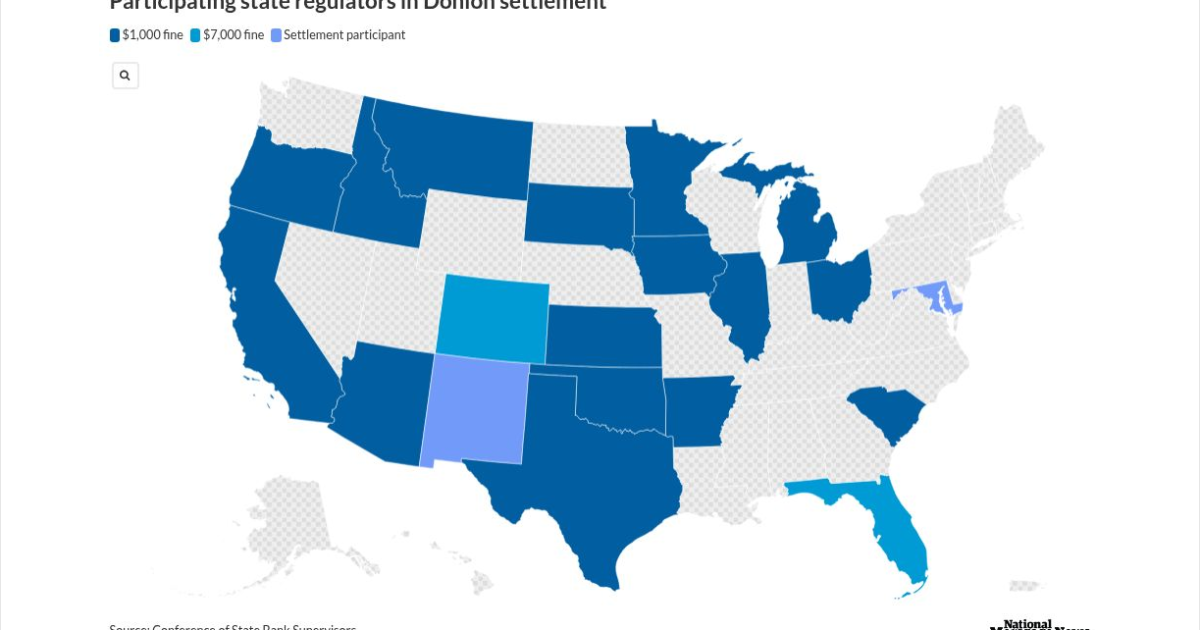
A multistate crackdown has sent shockwaves through the mortgage industry as Patrick Terrance Donlon, CEO of Trusted American Mortgage, accepted a sweeping settlement that bans him from working as a mortgage loan originator in 21 states—19 of them permanently. Regulators say Donlon had another individual complete his mandatory licensing and continuing‑education courses, a violation that triggered a coordinated investigation and a $31,000 penalty. The case underscores regulators’ growing intolerance for education fraud and serves as a sharp reminder to industry professionals: cutting corners on licensing can end careers.
Florida’s once‑booming housing market is cooling fast as rising insurance premiums, increasing foreclosures, and expanding flood zones push buyers to back out of deals and force sellers to cut prices. With insurance now adding thousands to annual housing costs, professionals across real estate, mortgage, and insurance are navigating a dramatically shifting landscape that’s redefining affordability in the Sunshine State.
Florida begins 2026 with a wave of more than 250 new laws now in effect, impacting healthcare, insurance, real estate, and consumer protections statewide. From free breast cancer screenings for state employees to tighter pet insurance regulations, mandatory healthcare refund rules, enhanced animal‑cruelty penalties, and new condo‑management requirements, these updates carry major implications for professionals navigating Florida’s evolving regulatory landscape.
Florida’s barrier islands may offer postcard-perfect beaches and soaring real estate demand, but they’re also some of the most fragile and costly places to build in the United States. With 765,000 residents living on land that shifts, sinks, and takes the brunt of every major hurricane, the financial and insurance risks are accelerating fast. From billion‑dollar beach rebuilds to towers settling into the sand, today’s coastal development challenges are reshaping conversations around property values, disclosure, and long‑term resilience. For real estate professionals, understanding these risks isn’t just smart — it’s becoming essential.
A Cedar City development is turning heads with its fresh approach to affordability. The team behind Temple View Commons is delivering luxury‑inspired twin homes at prices below the local median by using a small, hands‑on staff and cutting traditional costs like realtor commissions. In a tight Utah housing market where inventory is scarce and prices remain high, their strategy offers a realistic path to homeownership without sacrificing high‑end finishes.


 Title Insurance Leaders Double Down on Tech and Efficiency to Drive 2026 Market Momentum Gallery