How Post‑Election Power Shifts Could Reshape Real Estate in 2026
The November 4, 2025 local elections didn’t just produce headlines — they produced market shockwaves. From New York to Boston and down to Miami, newly elected leaders and policy revisions are creating ripple effects that will influence development costs, rental income, and investment strategies well into 2026.
For professionals across real estate, mortgage, insurance, and finance — including those leveling up their careers through Cameron Academy — these shifts offer fresh opportunities and new risks to account for.
With Zohran Mamdani elected mayor, NYC appears ready to advance some of the strongest tenant‑protection measures in the country. Proposed expansions to rent stabilization and affordability requirements could compress rental income and increase operating costs.
Run stress tests for potential rent‑freeze scenarios
Diversify between regulated and market‑rate units
Reevaluate underwriting assumptions for 2026
Track city council negotiations closely
Chicago: Sustainability Meets Steady Leadership
Chicago continues steering toward affordability and green development. With the Green Social Housing Ordinance and fluctuating property tax valuations, planners and investors are adopting more conservative frameworks.
Use conservative NOI and tax projections
Explore ESG‑aligned retrofits
Balance affordable and market‑rate holdings
Miami / South Florida: A Political Shakeup with Potential
Miami’s mayoral runoff between Eileen Higgins and Emilio González introduces policy uncertainty — but also opportunity. Developers anticipate streamlined permitting and expanded affordability initiatives depending on December’s outcome.
Delay major commitments until the runoff result
Stay flexible with financing structures
Partner with local developers to minimize exposure
Boston: Gradual but Significant Zoning Reform
Boston continues reshaping zoning rules under Mayor Michelle Wu, prioritizing affordability and redevelopment pathways. The predictable pace allows strategic planning — though some market‑rate assets may face reduced NOI.
Use zoning updates to spot conversion opportunities
Engage early in community planning
Track linkage fees and affordability thresholds
A Market in Transition: What 2026 Investors Should Watch
The national message is clear: housing policy has become market policy. From zoning to sustainability mandates, city leadership is directly reshaping property returns and investment timelines.
For professionals navigating this shift — especially students and alumni of Cameron Academy’s licensing programs — the environment is brimming with both challenges and fresh opportunity. Adaptive reuse, creative financing, and public‑private collaborations are quickly becoming competitive advantages.
And if you’re preparing to elevate your career in real estate or another licensed profession, discover modern, flexible education at Cameron Academy.
More Articles
Getting licensed or staying ahead in your career can be a journey—but it doesn’t have to be overwhelming. Grab your favorite coffee or tea, take a moment to relax, and browse through our articles. Whether you’re just starting out or renewing your expertise, we’ve got tips, insights, and advice to keep you moving forward. Here’s to your success—one sip and one step at a time!
Just 48 hours after NAR unveiled major revisions to its MLS policies, plaintiffs in the Michigan-based Hardy lawsuit moved to use those changes as evidence, arguing they prove NAR’s prior rules were anticompetitive. NAR denies any wrongdoing, but the case is quickly becoming a key test for whether MLS access should require Realtor membership — a question now echoing across multiple states and potentially reshaping how real estate professionals nationwide access the industry’s most essential tool.
Florida homeowners are now paying some of the highest insurance premiums in the country, with average costs topping $5,800 per year—nearly double the national average. Residents report skyrocketing rates, denied claims, and tough choices between costly coverage and financial risk. As frustration grows, lawmakers and consumer advocates are pushing new reforms aimed at increasing transparency, capping rate hikes, and protecting policyholders in one of the nation’s most volatile insurance markets.
Economic uncertainty, rapid AI adoption, tighter capital flows, and rising portfolio risk are reshaping the 2026 commercial real estate landscape. From shifting workforce patterns to a national housing attainability crisis, the industry is entering a data‑driven, fundamentals‑focused era—making adaptability, education, and tech literacy essential for real estate professionals.
Mortgage rates have climbed to 6.23 percent as investors grow doubtful that the Federal Reserve will deliver a rate cut in December. A soft but unclear jobs report and persistent inflation have pushed borrowing costs higher, reversing October’s brief relief in the housing market. Real estate and mortgage professionals should prepare clients for continued volatility as the Fed’s December meeting approaches.
After years of tight inventory, high mortgage rates, and sluggish sales, economists say 2026 is shaping up to be the turnaround real estate professionals have been waiting for. NAR projects a 14 percent jump in home sales, mortgage rates easing toward 6 percent, and buyer demand finally gaining momentum. While higher‑end homes are moving quickly, first‑time buyers continue to face affordability challenges, and price reductions are reappearing as sellers adjust to shifting conditions. For Florida agents, brokers, and newcomers, the stage is being set for a busy and opportunity‑rich year.
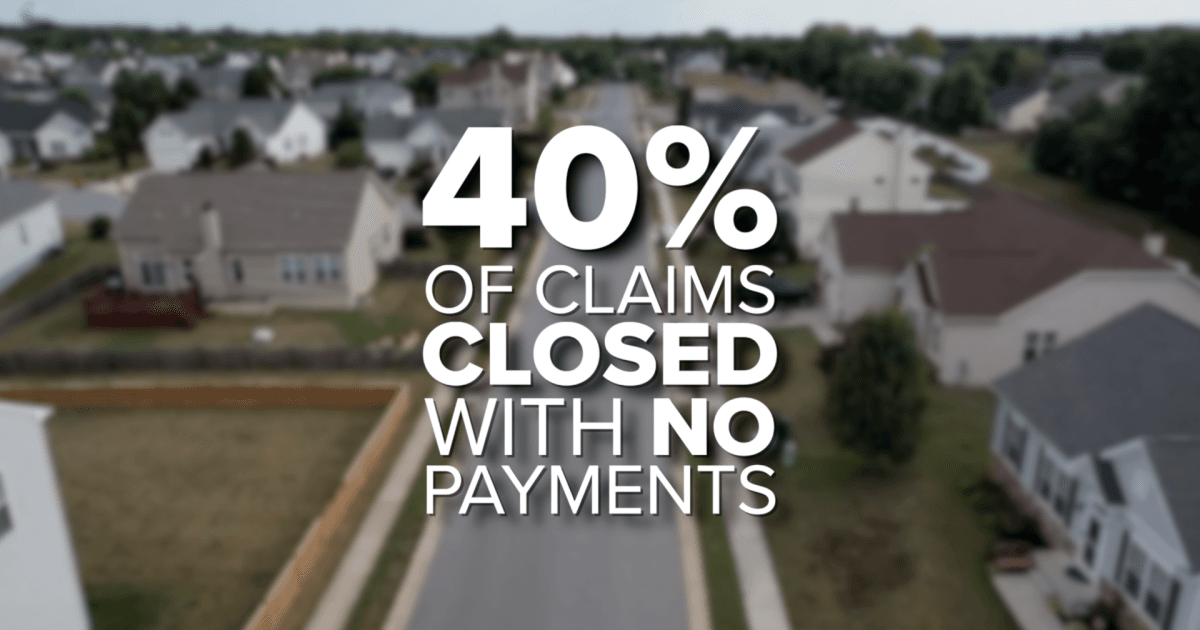
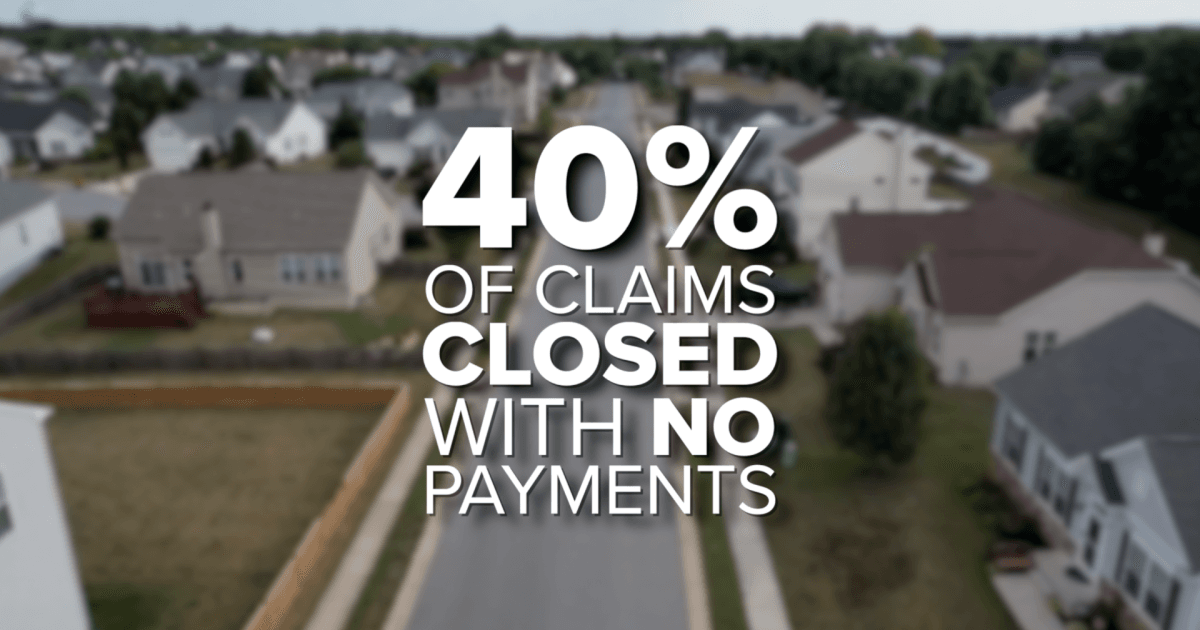
Florida’s average homeowner insurance premium has soared to $5,838 a year—almost $3,000 above the national average—pushing many residents to the financial brink. From tripled premiums to lowball claim payouts, homeowners are speaking out as frustration mounts. Some are even dropping coverage entirely. With more than 40% of claims closed without payment and policy cancellations at record levels, lawmakers are pushing for reforms, but political hurdles remain. The outcome could reshape Florida real estate, insurance, and mortgage markets for years to come.