How Redmond’s “Prisma” Project Is Rewriting the Rules of Affordable Housing Near Transit
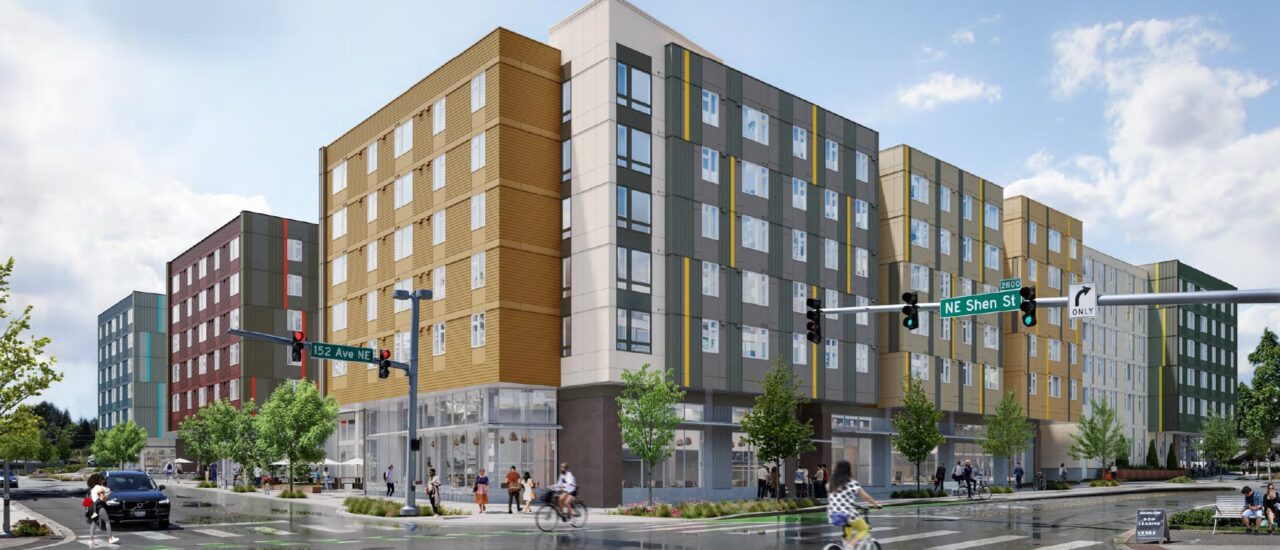
Every conversation about housing in Washington seems to echo the same refrain: It’s too expensive, too scarce, and too far from where people work and live. But in Redmond, Washington, a powerful coalition of local government, nonprofits, regional partners, and philanthropic organizations is proving that thoughtful collaboration can break the cycle.
The result is Prisma—a six‑story, mixed-use, transit‑oriented development rising next to Overlake Village Station. Its mission is critical and refreshingly bold: deliver deeply affordable homes for those earning 50% of AMI or less, including dozens of residences reserved for families, people with disabilities, and extremely low-income households.
Quick Highlights
• Surplus Sound Transit land valued at $30M sold for just $250K.
• 328 units, including 55 set aside for households at or below 30% AMI.
• A healthy mix of studios, family-sized units, accessible apartments, and ground-floor retail.
• A national model for equitable transit-oriented development.
Why Redmond Needed a New Approach
Like much of East King County, Redmond has watched its housing prices skyrocket over the past decade, pushing workers farther from jobs, schools, and daily conveniences. A booming economy brought growth—but demand for smaller, more attainable units surged while market-rate developers focused on studios and one-bedrooms.
The city built an impressive “housing toolbox”: inclusionary zoning, expanded land‑use options, expedited permitting, pooled regional funding, and voluntary tax exemptions. These tools supported over 3,900 multifamily units since 2020, but most were affordable only to households earning 60% to 80% of AMI.
The missing piece? Housing for families earning 50% AMI or less. Countywide projections show that over 70% of Redmond’s future housing need through 2050 is concentrated in that income bracket. Prisma delivers directly to this underserved group.
Turning Surplus Transit Land Into Stable Homes
Sound Transit’s Equitable TOD Policy ensures that excess transit land supports community needs. Prisma benefited dramatically: land valued at $30 million was offered at just $250,000—removing one of the largest barriers to deep affordability.
The development also includes a covenant maintaining affordability for at least 50 years, supporting stability and minimizing displacement as the broader tech corridor continues to boom.
A Funding Puzzle Solved Through Collaboration
Prisma demonstrates how layered financing—when carefully structured—makes the impossible possible:
• Sound Transit: land at a near‑donation price.
• King County: over $5 million in gap financing.
• Amazon Housing Equity Fund: soft loans supporting TOD development.
• Washington State Housing Finance Commission: LIHTC allocations + bonds.
• City of Redmond: nearly $3 million in funding plus fee waivers + expedited permits.
• ARCH: regional housing funds pooled across East King County.
With front‑loaded public investment and aligned goals, the project is set to begin construction in early 2026 and open its doors in 2028.
A Blueprint for Cities Nationwide
Prisma is more than another development—it’s a playbook for pairing transit, affordability, and equitable regional planning. Its replicable strategies include:
• Leveraging discounted transit land to reach deep affordability.
• Stacking multiple subsidies instead of relying on a single funding stream.
• Prioritizing families, fully accessible units, and long-term affordability covenants.
For real estate professionals, planners, and policy leaders, Prisma stands as an essential case study in modern development strategy. It illustrates how collaborative leadership can reshape an entire region’s housing future.
Explore the full original article from the National League of Cities:
If you’re exploring urban development, housing strategy, or seeking to advance your real estate knowledge, a strong educational foundation is essential. Programs at Cameron Academy offer flexible, accredited pathways to help professionals thrive in a rapidly evolving industry—especially as projects like Prisma redefine the future of U.S. housing.