How Redmond’s “Prisma” Project Is Rewriting the Rules of Affordable Housing Near Transit
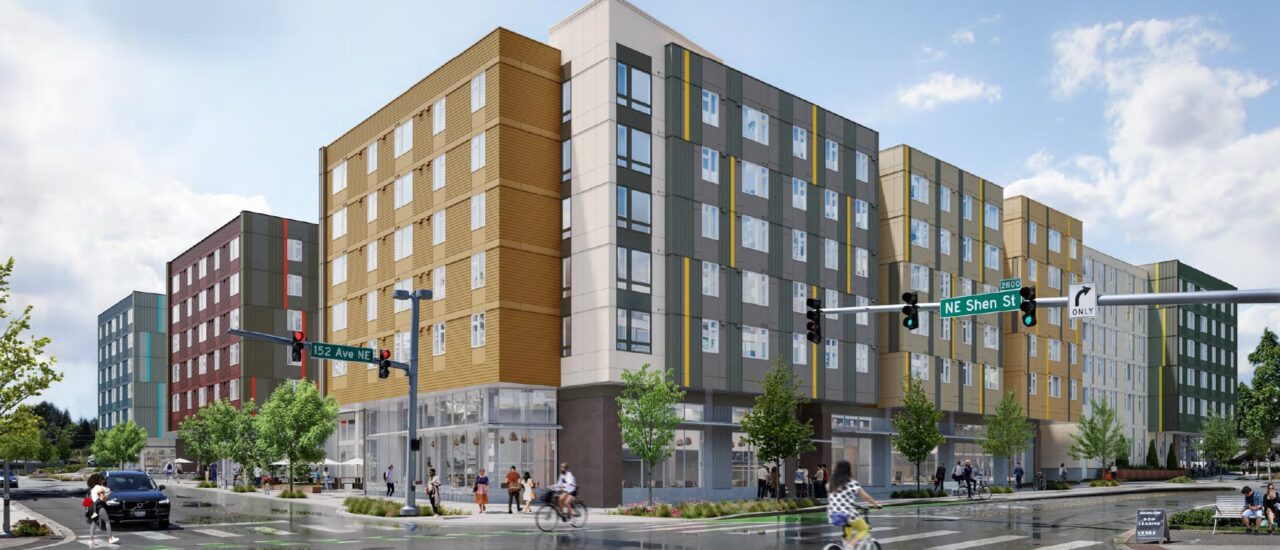
Mixed-use development near transit

Every conversation about housing in Washington seems to echo the same refrain: It’s too expensive, too scarce, and too far from where people work and live. But in Redmond, Washington, a powerful coalition of local government, nonprofits, regional partners, and philanthropic organizations is proving that thoughtful collaboration can break the cycle.

The result is Prisma—a six‑story, mixed-use, transit‑oriented development rising next to Overlake Village Station. Its mission is critical and refreshingly bold: deliver deeply affordable homes for those earning 50% of AMI or less, including dozens of residences reserved for families, people with disabilities, and extremely low-income households.

Quick Highlights

• Surplus Sound Transit land valued at $30M sold for just $250K.
• 328 units, including 55 set aside for households at or below 30% AMI.
• A healthy mix of studios, family-sized units, accessible apartments, and ground-floor retail.
• A national model for equitable transit-oriented development.

Why Redmond Needed a New Approach

Like much of East King County, Redmond has watched its housing prices skyrocket over the past decade, pushing workers farther from jobs, schools, and daily conveniences. A booming economy brought growth—but demand for smaller, more attainable units surged while market-rate developers focused on studios and one-bedrooms.

The city built an impressive “housing toolbox”: inclusionary zoning, expanded land‑use options, expedited permitting, pooled regional funding, and voluntary tax exemptions. These tools supported over 3,900 multifamily units since 2020, but most were affordable only to households earning 60% to 80% of AMI.

The missing piece? Housing for families earning 50% AMI or less. Countywide projections show that over 70% of Redmond’s future housing need through 2050 is concentrated in that income bracket. Prisma delivers directly to this underserved group.

Turning Surplus Transit Land Into Stable Homes

Sound Transit’s Equitable TOD Policy ensures that excess transit land supports community needs. Prisma benefited dramatically: land valued at $30 million was offered at just $250,000—removing one of the largest barriers to deep affordability.

The development also includes a covenant maintaining affordability for at least 50 years, supporting stability and minimizing displacement as the broader tech corridor continues to boom.

A Funding Puzzle Solved Through Collaboration

Prisma demonstrates how layered financing—when carefully structured—makes the impossible possible:

• Sound Transit: land at a near‑donation price.
• King County: over $5 million in gap financing.
• Amazon Housing Equity Fund: soft loans supporting TOD development.
• Washington State Housing Finance Commission: LIHTC allocations + bonds.
• City of Redmond: nearly $3 million in funding plus fee waivers + expedited permits.
• ARCH: regional housing funds pooled across East King County.

With front‑loaded public investment and aligned goals, the project is set to begin construction in early 2026 and open its doors in 2028.

A Blueprint for Cities Nationwide

Prisma is more than another development—it’s a playbook for pairing transit, affordability, and equitable regional planning. Its replicable strategies include:

• Leveraging discounted transit land to reach deep affordability.
• Stacking multiple subsidies instead of relying on a single funding stream.
• Prioritizing families, fully accessible units, and long-term affordability covenants.

For real estate professionals, planners, and policy leaders, Prisma stands as an essential case study in modern development strategy. It illustrates how collaborative leadership can reshape an entire region’s housing future.

If you’re exploring urban development, housing strategy, or seeking to advance your real estate knowledge, a strong educational foundation is essential. Programs at Cameron Academy offer flexible, accredited pathways to help professionals thrive in a rapidly evolving industry—especially as projects like Prisma redefine the future of U.S. housing.

More Articles

Getting licensed or staying ahead in your career can be a journey—but it doesn’t have to be overwhelming. Grab your favorite coffee or tea, take a moment to relax, and browse through our articles. Whether you’re just starting out or renewing your expertise, we’ve got tips, insights, and advice to keep you moving forward. Here’s to your success—one sip and one step at a time!

Why Today’s High Mortgage Rates Matter More Than Ever for the Housing Market

A growing share of American homeowners now carry mortgage rates above 5%—a dramatic shift that’s reshaping refinancing, inventory, and buyer behavior nationwide. With more than 30% of borrowers locked into rates over 5% and 20% above 6%, the market is split between owners holding on to low pandemic‑era loans and new buyers taking on higher‑rate mortgages. Federal efforts to push rates down could unlock millions of refinancing opportunities, while buyers see only modest monthly savings. For real estate professionals, understanding these rate dynamics is crucial as they increasingly drive inventory levels, affordability, and market activity.

CRE Deal Volume Dips in December, but Office Sector Stages an Unexpected Comeback

New Moody’s data shows commercial real estate deal volume slipped 20% in December, marking a second monthly decline. Yet the full year tells a different story: 2025 ended with a 17% gain, signaling a quiet but resilient recovery. The biggest surprise came from the office sector, which posted a 21% jump in activity as return‑to‑office trends and AI‑driven job growth boosted demand. Multifamily, retail, and alternative assets like data centers also saw strong momentum, giving real estate professionals a market full of fresh opportunities heading into 2026.

Florida Kicks Off 2026 With Major Auto Insurance Rate Cuts and Market Stability

Florida drivers and industry professionals are heading into 2026 with good news: auto insurance rates are dropping across the state as the market shows strong signs of stabilization. USAA leads the latest wave with a 7% average rate decrease expected in May 2026, saving members more than $125 million annually. They join several major insurers — including State Farm, Progressive, AAA, Allstate, and Florida Farm Bureau — all approving significant reductions. Officials credit recent legislative reforms, especially tort reform, for the improved loss ratios and renewed insurer confidence. With both auto and home insurance markets strengthening, Florida’s real estate, mortgage, and insurance professionals can expect more consumer confidence, smoother transactions, and expanding career opportunities.

The 2024 Housing Shortage: Why America Is Still 1.2 Million Homes Behind

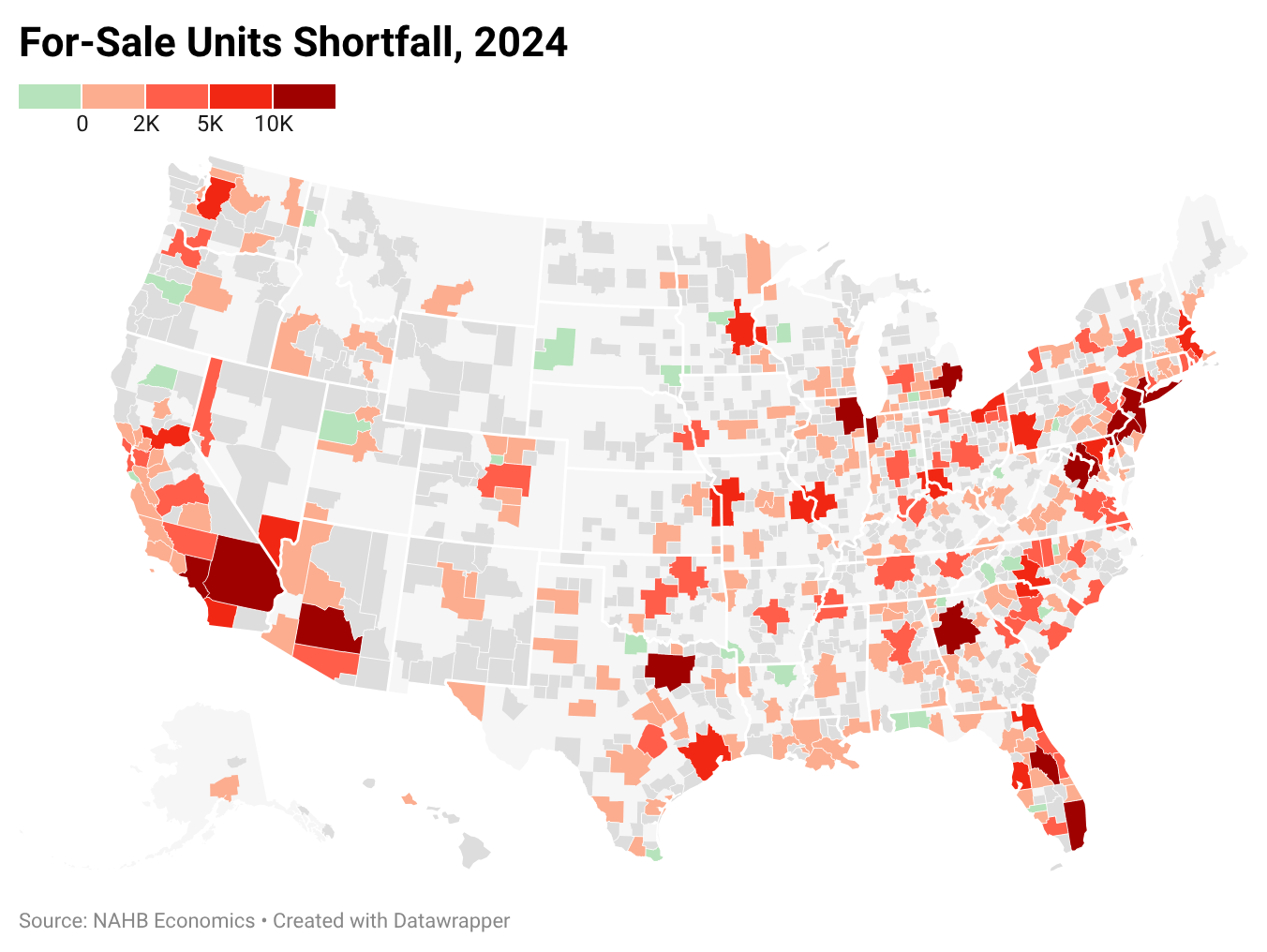
New data from Eye On Housing and the NAHB shows the U.S. remains short more than 1.2 million housing units, keeping pressure on both rents and home prices. Record‑low vacancy rates, slow single‑family construction, and restrictive zoning continue to fuel intense competition in 2024. Major metros like Chicago, New York, and Atlanta face some of the deepest deficits, and the true nationwide shortfall may be even higher when accounting for overcrowding and aging homes. For real estate professionals, the ongoing shortage means sustained demand, tighter inventory, and major opportunities for those who understand the evolving market.

AI Isn’t the Shiny Object Anymore — It’s the New System Driving Real Estate Success

Top real estate coach Jason Pantana says the divide between agents today isn’t about who has “tried” AI — it’s about who is immersed in it. In a new HousingWire interview, he explains why AI isn’t a gimmick but a full business system that amplifies output, improves authenticity, and reshapes how clients search for agents. From prompt mastery to AI‑driven visibility on Google, Pantana reveals how agents who commit even 15 minutes a day to learning AI are already outperforming those who hesitate.

DFW Commercial Real Estate 2025: Industrial Surges, Retail Shines, Office Struggles

Dallas–Fort Worth’s commercial real estate market closed 2025 with a split personality. Industrial dominated with massive new deliveries and soaring leasing demand, retail held steady with some of the market’s strongest fundamentals in years, and office continued to falter under remote‑work pressures. High vacancies, weak absorption, and rising demand for top‑tier space show the sector’s ongoing reset. Meanwhile, industrial and retail strength position the Metroplex for another powerhouse year heading into 2026.