How Redmond’s “Prisma” Project Is Rewriting the Rules of Affordable Housing Near Transit
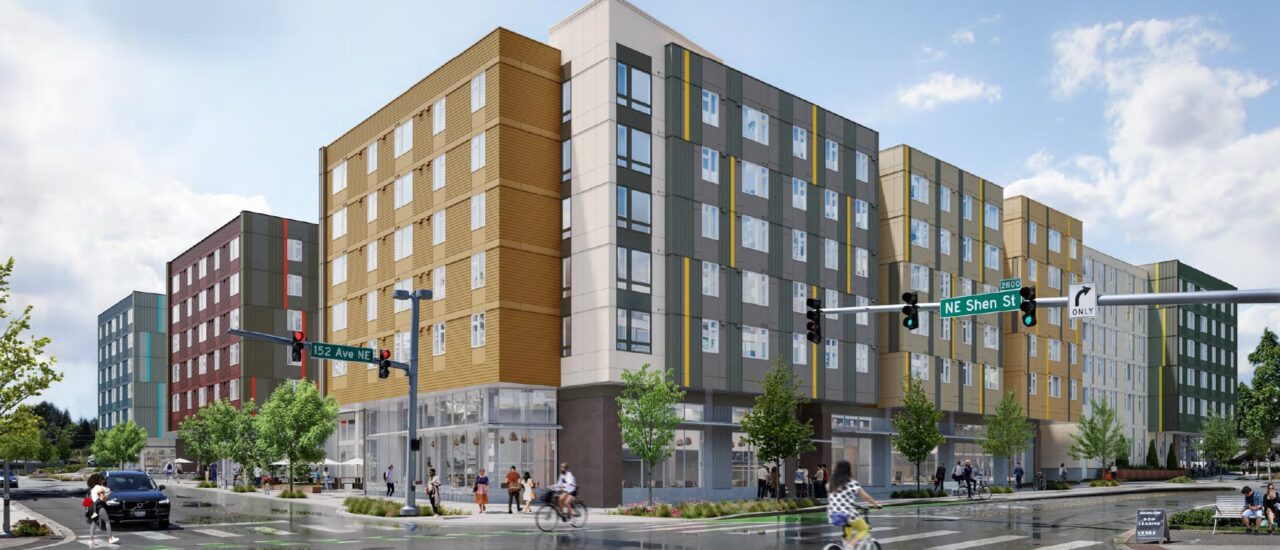
Mixed-use development near transit

Every conversation about housing in Washington seems to echo the same refrain: It’s too expensive, too scarce, and too far from where people work and live. But in Redmond, Washington, a powerful coalition of local government, nonprofits, regional partners, and philanthropic organizations is proving that thoughtful collaboration can break the cycle.

The result is Prisma—a six‑story, mixed-use, transit‑oriented development rising next to Overlake Village Station. Its mission is critical and refreshingly bold: deliver deeply affordable homes for those earning 50% of AMI or less, including dozens of residences reserved for families, people with disabilities, and extremely low-income households.

Quick Highlights

• Surplus Sound Transit land valued at $30M sold for just $250K.
• 328 units, including 55 set aside for households at or below 30% AMI.
• A healthy mix of studios, family-sized units, accessible apartments, and ground-floor retail.
• A national model for equitable transit-oriented development.

Why Redmond Needed a New Approach

Like much of East King County, Redmond has watched its housing prices skyrocket over the past decade, pushing workers farther from jobs, schools, and daily conveniences. A booming economy brought growth—but demand for smaller, more attainable units surged while market-rate developers focused on studios and one-bedrooms.

The city built an impressive “housing toolbox”: inclusionary zoning, expanded land‑use options, expedited permitting, pooled regional funding, and voluntary tax exemptions. These tools supported over 3,900 multifamily units since 2020, but most were affordable only to households earning 60% to 80% of AMI.

The missing piece? Housing for families earning 50% AMI or less. Countywide projections show that over 70% of Redmond’s future housing need through 2050 is concentrated in that income bracket. Prisma delivers directly to this underserved group.

Turning Surplus Transit Land Into Stable Homes

Sound Transit’s Equitable TOD Policy ensures that excess transit land supports community needs. Prisma benefited dramatically: land valued at $30 million was offered at just $250,000—removing one of the largest barriers to deep affordability.

The development also includes a covenant maintaining affordability for at least 50 years, supporting stability and minimizing displacement as the broader tech corridor continues to boom.

A Funding Puzzle Solved Through Collaboration

Prisma demonstrates how layered financing—when carefully structured—makes the impossible possible:

• Sound Transit: land at a near‑donation price.
• King County: over $5 million in gap financing.
• Amazon Housing Equity Fund: soft loans supporting TOD development.
• Washington State Housing Finance Commission: LIHTC allocations + bonds.
• City of Redmond: nearly $3 million in funding plus fee waivers + expedited permits.
• ARCH: regional housing funds pooled across East King County.

With front‑loaded public investment and aligned goals, the project is set to begin construction in early 2026 and open its doors in 2028.

A Blueprint for Cities Nationwide

Prisma is more than another development—it’s a playbook for pairing transit, affordability, and equitable regional planning. Its replicable strategies include:

• Leveraging discounted transit land to reach deep affordability.
• Stacking multiple subsidies instead of relying on a single funding stream.
• Prioritizing families, fully accessible units, and long-term affordability covenants.

For real estate professionals, planners, and policy leaders, Prisma stands as an essential case study in modern development strategy. It illustrates how collaborative leadership can reshape an entire region’s housing future.

If you’re exploring urban development, housing strategy, or seeking to advance your real estate knowledge, a strong educational foundation is essential. Programs at Cameron Academy offer flexible, accredited pathways to help professionals thrive in a rapidly evolving industry—especially as projects like Prisma redefine the future of U.S. housing.


More Articles

Getting licensed or staying ahead in your career can be a journey—but it doesn’t have to be overwhelming. Grab your favorite coffee or tea, take a moment to relax, and browse through our articles. Whether you’re just starting out or renewing your expertise, we’ve got tips, insights, and advice to keep you moving forward. Here’s to your success—one sip and one step at a time!

AI and Real Estate: A Game-Changer or Job-Taker?

In the rapidly evolving world of technology, one question often surfaces: Will AI replace real estate agents? Our comprehensive exploration into this topic reveals the intricate interplay between technology and the real estate industry, and how this relationship is shaping the future of property transactions. While some view the rise of AI with apprehension, others see it as a tool for enhancement. Take Cameron Academy, for instance. They've seamlessly integrated AI into their educational platform, offering an AI tutor to assist students. It's an intriguing paradox. On one hand, we have concerns about AI replacing jobs, and on the other, we witness how AI can enrich our learning experiences.

By |September 14, 2023|Categories: AI in Real Estate|Tags: |0 Comments

How to Afford a $200,000 House: Factors to Consider

Are you planning to buy a house? Understanding your financial capacity and determining whether you can afford the monthly payments is crucial. This guide explores the various factors that come into play when determining the affordability of a $200,000 house. We break down the key elements that contribute to overall affordability, from income to down payment and mortgage interest rates. By the end of this article, you will have a clear understanding of what it takes to make your dream of homeownership a reality. Discover the benefits of having a real estate license and mortgage license with Cameron Academy's comprehensive courses. Ready to take the next step? Explore our online career education courses and unlock your potential today. Sign up for our real estate license or mortgage license course now!

How Much Does It Cost to Become a Real Estate Agent in Florida?

Considering a career as a real estate agent in Florida? Let's break down the costs involved. The first step is completing the state-required pre-license courses, which can range from $100 to $500. Once you've completed your education, you'll need to submit an application to the Florida Department of Business and Professional Regulation (DBPR) with an $83.75 fee. The state exam fee is $36.75 per attempt. All applicants must undergo a fingerprinting check, which ranges from $50 to $80. Other costs include brokerage desk fees, REALTOR® dues, marketing materials, and living expenses during the initial months of building your client base. Despite the upfront costs, the potential rewards make it a worthwhile investment. Ready to start? Enroll in Cameron Academy's Florida pre-licensing course today!

By |September 13, 2023|Categories: Real Estate Licensing in Florida|Tags: |0 Comments

Real Estate Farming: A Comprehensive Guide

Welcome to our comprehensive guide on real estate farming. This marketing strategy targets a specific neighborhood or area, establishing you as a local expert. One of the most effective ways to engage with potential clients is through handwritten notes, creating a lasting impression and helping you stand out in a competitive market. Handwritten cards build trust, foster relationships, and increase your chances of converting leads into clients. By incorporating these personalized techniques, you can differentiate yourself from the competition and increase your chances of success. Ready to take your real estate farming to the next level? Visit Cameron Academy to learn more about our real estate farming course.

By |September 13, 2023|Categories: Real Estate Farming|Tags: |0 Comments

The Potential Impact of Airbnb’s Decline on the Housing Market

The current state of the U.S. housing market is characterized by high prices and a lack of inventory. However, recent developments in the short-term rental industry, particularly with Airbnb, have sparked discussions about the potential impact on the broader housing market. This article explores the connection between Airbnb's decline and the housing market, analyzing the implications and providing a balanced perspective on the situation. Short-term rentals, such as Airbnb, have played a significant role in the housing market, affecting housing prices and inventory. These platforms have provided homeowners with the opportunity to monetize their properties by renting them out for short periods. This has resulted in increased competition for available housing and, in some cases, contributed to rising home prices.

By |September 12, 2023|Categories: Housing Market|Tags: |0 Comments

Don’t Let It Intimidate You: Tips for Starting (or Strengthening) Your Real Estate Career

Starting a career in real estate can be an exciting and rewarding journey. Whether you are just entering the field or looking to strengthen your existing career, there are valuable tips and insights that can help you navigate the competitive landscape of the real estate industry. The real estate industry is a dynamic and ever-evolving field, with countless opportunities for those willing to put in the effort. With dedication and a strategic approach, you can carve out your own niche and thrive in this competitive market. Don't let the challenges and competition intimidate you. With the right mindset, dedication, and a commitment to continuous learning, you can thrive in the world of real estate. Embrace the journey, leverage your strengths, and build meaningful relationships with clients and industry experts. Start your real estate career or take it to the next level today.