
How Rising Energy Costs Are Quietly Reshaping the Hudson Valley Real Estate Market

Energy and real estate market graphic

For years, real estate professionals measured affordability through familiar metrics: interest rates, supply, zoning, and construction costs. But in the Hudson Valley, a new variable has surged quietly into the spotlight. Energy costs, once a secondary consideration, are now reshaping how properties are valued, financed, and even livable.

According to reporting from Rockland County Business Journal, the pressure on middle- and lower-income households is reaching a breaking point. Utility bills, driven by rising delivery charges and volatile supply pricing, are now competing directly with essentials like mortgages and health insurance. For many families, the monthly question is no longer how to save, but which critical bill to prioritize.

Click-worthy Insight: Agents who understand energy efficiency are gaining a real competitive edge. These topics now appear more frequently in licensing education, valuation discussions, and property marketing strategies.

The Hidden Cost Reshaping Homeownership

A property’s true carrying cost is no longer only principal, interest, taxes, and insurance. Energy has become a fluctuating expense capable of tipping a household budget from manageable to overwhelming. In older Hudson Valley towns like Rockland and Orange, aging homes magnify this effect.

Outdated HVAC systems, leaky windows, and old insulation can turn standard utility bills into relentless monthly burdens. When rates climb, these aging structures leak money just as fast as they leak heat.

Grid Challenges and Development Delays

While renewable capacity is growing, investment has not kept pace with demand. The grid remains outdated and in many areas at capacity. For developers, this introduces a new challenge: interconnection fees and mandatory infrastructure upgrades are raising budgets and delaying otherwise viable projects.

Meanwhile, energy-heavy facilities like data centers continue to expand across the region. These centers strain local infrastructure but generate limited long-term jobs, adding to community frustration.

Energy Efficiency Is Now a Market Divider

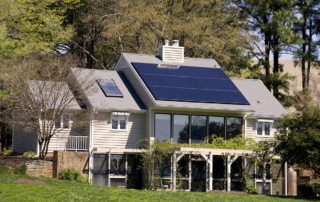
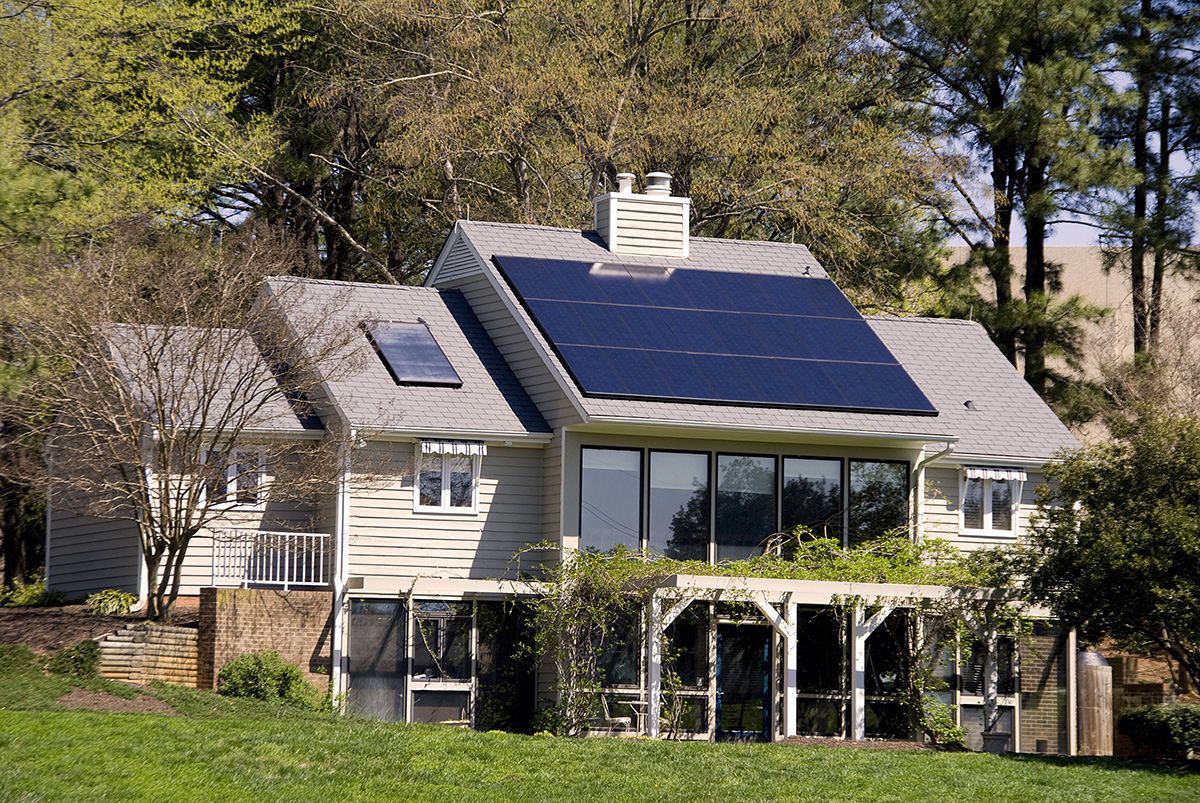
The market is increasingly rewarding homes and buildings with energy-efficient upgrades. Solar installations, LED lighting, modern mechanical systems, and well-sealed envelopes are becoming defining features. Buyers and investors are beginning to calculate energy volatility the same way they evaluate flood zones or deferred maintenance.

For commercial professionals, unpredictable energy expenses squeeze margins and complicate underwriting. Multifamily owners in particular face rising common-area electrical costs that outpace reasonable rent increases.

Policy Lag and Local Solutions

Without a cohesive national plan to upgrade energy infrastructure, local governments may need to take the lead. Potential strategies include:

– Streamlined permitting for solar systems – PACE financing for energy retrofits – Community microgrids – Updated zoning requiring stronger performance standards

Energy is no longer a distant policy issue. It is now directly influencing housing availability, business operations, and the overall real estate market. In the Hudson Valley, these rising energy costs act like a regressive tax that hits lower-income households the hardest.

What This Means for Real Estate Students and Professionals

Energy literacy is quickly becoming essential knowledge for the modern real estate career. Whether you are a new agent preparing for your exam or a seasoned investor advancing your strategy, understanding energy costs strengthens your competitive edge.

This is why programs at Cameron Academy emphasize market analysis, valuation principles, and real-world trends. Students learn how to confidently discuss the forces influencing buyer behavior and property performance, including the rising impact of utility costs.

Want to master these fast-changing topics? Explore real estate licensing and continuing education programs at Cameron Academy and stay ahead of the market.

This article is based on reporting from Rockland County Business Journal. Explore the full story here: Read the full article on RCBJ

More Articles

Getting licensed or staying ahead in your career can be a journey—but it doesn’t have to be overwhelming. Grab your favorite coffee or tea, take a moment to relax, and browse through our articles. Whether you’re just starting out or renewing your expertise, we’ve got tips, insights, and advice to keep you moving forward. Here’s to your success—one sip and one step at a time!

Free Money in 2026? The Truth About the DOGE Dividend Stimulus Check

The DOGE Dividend: What You Need to Know About the Proposed 2026 Stimulus Check Hey there! If you’ve been wondering #ReadMore

Navigating Seller’s Market: Twin Cities Housing Trends and Predictions for 2024

The Minneapolis housing market is currently navigating a complex terrain, marked by a curious blend of optimism and caution. In 2024, home sales in the Twin Cities area experienced a modest uptick of 1.8%.

Future Homes: Sustainability and Smart Technology Shaping Real Estate

In the ever-evolving landscape of real estate, two groundbreaking trends are shaping the homes of tomorrow: sustainability and smart home technology. As consumers become increasingly aware of their environmental impact and as technology continues to advance at lightning speed, these trends are significantly influencing buying decisions in the residential real estate market.

By |February 25, 2025|Categories: Article, Real Estate, Technology|Tags: , |0 Comments

Harvard Study Projects Dramatic Slowdown in U.S. Household Growth

In a comprehensive analysis by Harvard's Joint Center for Housing Studies, there is a projected increase of 8.6 million households in the United States from 2025 to 2035. This equates to approximately 860,000 new households per year, marking a significant deceleration compared to the post-Great Recession era, which saw a sluggish yet larger gain of 10.1 million households.

By |February 24, 2025|Categories: Article, Demographics, Housing|Tags: , |0 Comments

AI Revolutionizing Real Estate: Predicting Trends and Values

The real estate industry, often seen as conservative, is gradually embracing technological advancements with AI leading the charge. Generative AI is already revolutionizing real estate marketing by enhancing customer experiences and optimizing content creation.

By |February 24, 2025|Categories: Article, Real Estate, Technology/AI|Tags: , |0 Comments

In-Person Work Policies: A Beacon of Hope for Commercial Real Estate

With office occupancy plummeting by 90% from February to March 2020, the impact of remote work was palpable. However, the researchers found that hybrid mandates and adding more in-office days could mitigate some of these challenges.