How Rising Energy Costs Are Quietly Reshaping the Hudson Valley Real Estate Market
For years, real estate professionals measured affordability through familiar metrics: interest rates, supply, zoning, and construction costs. But in the Hudson Valley, a new variable has surged quietly into the spotlight. Energy costs, once a secondary consideration, are now reshaping how properties are valued, financed, and even livable.
According to reporting from Rockland County Business Journal, the pressure on middle- and lower-income households is reaching a breaking point. Utility bills, driven by rising delivery charges and volatile supply pricing, are now competing directly with essentials like mortgages and health insurance. For many families, the monthly question is no longer how to save, but which critical bill to prioritize.
Click-worthy Insight: Agents who understand energy efficiency are gaining a real competitive edge. These topics now appear more frequently in licensing education, valuation discussions, and property marketing strategies.
The Hidden Cost Reshaping Homeownership
A property’s true carrying cost is no longer only principal, interest, taxes, and insurance. Energy has become a fluctuating expense capable of tipping a household budget from manageable to overwhelming. In older Hudson Valley towns like Rockland and Orange, aging homes magnify this effect.
Outdated HVAC systems, leaky windows, and old insulation can turn standard utility bills into relentless monthly burdens. When rates climb, these aging structures leak money just as fast as they leak heat.
Grid Challenges and Development Delays
While renewable capacity is growing, investment has not kept pace with demand. The grid remains outdated and in many areas at capacity. For developers, this introduces a new challenge: interconnection fees and mandatory infrastructure upgrades are raising budgets and delaying otherwise viable projects.
Meanwhile, energy-heavy facilities like data centers continue to expand across the region. These centers strain local infrastructure but generate limited long-term jobs, adding to community frustration.
Energy Efficiency Is Now a Market Divider
The market is increasingly rewarding homes and buildings with energy-efficient upgrades. Solar installations, LED lighting, modern mechanical systems, and well-sealed envelopes are becoming defining features. Buyers and investors are beginning to calculate energy volatility the same way they evaluate flood zones or deferred maintenance.
For commercial professionals, unpredictable energy expenses squeeze margins and complicate underwriting. Multifamily owners in particular face rising common-area electrical costs that outpace reasonable rent increases.
Policy Lag and Local Solutions
Without a cohesive national plan to upgrade energy infrastructure, local governments may need to take the lead. Potential strategies include:
– Streamlined permitting for solar systems
– PACE financing for energy retrofits
– Community microgrids
– Updated zoning requiring stronger performance standards
Energy is no longer a distant policy issue. It is now directly influencing housing availability, business operations, and the overall real estate market. In the Hudson Valley, these rising energy costs act like a regressive tax that hits lower-income households the hardest.
What This Means for Real Estate Students and Professionals
Energy literacy is quickly becoming essential knowledge for the modern real estate career. Whether you are a new agent preparing for your exam or a seasoned investor advancing your strategy, understanding energy costs strengthens your competitive edge.
This is why programs at Cameron Academy emphasize market analysis, valuation principles, and real-world trends. Students learn how to confidently discuss the forces influencing buyer behavior and property performance, including the rising impact of utility costs.
Want to master these fast-changing topics? Explore real estate licensing and continuing education programs at Cameron Academy and stay ahead of the market.
This article is based on reporting from Rockland County Business Journal. Explore the full story here:
Read the full article on RCBJ
More Articles
Getting licensed or staying ahead in your career can be a journey—but it doesn’t have to be overwhelming. Grab your favorite coffee or tea, take a moment to relax, and browse through our articles. Whether you’re just starting out or renewing your expertise, we’ve got tips, insights, and advice to keep you moving forward. Here’s to your success—one sip and one step at a time!
Fintech has evolved from simple digital banking tools into a global force transforming how we pay, borrow, invest, and manage financial data. With AI, blockchain, and open banking leading the way, fintech is opening new opportunities for consumers, businesses, and professionals across real estate, mortgage, insurance, and finance.
After months of hesitation, the commercial real estate market showed a major resurgence in Q3 2025. Large single‑asset transactions over $10 million jumped to $76 billion — the strongest level since 2022 — signaling renewed liquidity and growing confidence among institutional buyers. While overall volumes remain below peak highs, rising deal counts, stabilizing prices, and increased activity across industrial, multifamily, office, and retail sectors point toward a market steadily moving back toward normalization.
California’s property insurance market didn’t collapse overnight—it unraveled over years of political delays, soaring wildfire losses, and mounting pressure on insurers and reinsurers. As major carriers pulled out and rate approvals stalled, millions of homeowners were left scrambling for coverage under an overwhelmed FAIR Plan. At the center of the controversy stands Insurance Commissioner Ricardo Lara, whose decisions, industry ties, and behind‑the‑scenes negotiations have drawn sharp criticism. The result is a destabilized market affecting homeowners, real estate professionals, lenders, and entire communities—and the question of whether current reforms can truly fix what’s broken.
After a slow start to the year, commercial real estate showed a major resurgence in Q3 2025 as large single‑asset deals over $10 million surged past $76 billion in volume. With 1,826 major trades and the strongest growth rate in more than a decade, investor confidence appears to be returning across U.S. markets. While overall volumes still trail the record highs of 2021–2022, the renewed momentum in big‑ticket transactions points to improving liquidity, clearer pricing, and a potentially pivotal turning point for brokers, investors, and industry professionals.
California’s property insurance market has unraveled into one of the most expensive and consequential crises in U.S. history. Major carriers pulled back, wildfire risks soared, regulators stalled, and the state’s FAIR Plan exploded in size — leaving hundreds of thousands of homeowners without affordable coverage. Now, with victims underinsured, premiums surging, and a billion‑dollar bailout looming, the fallout is spilling beyond California. For real estate, mortgage, finance, and insurance professionals across the country, this is a warning of what happens when rising climate risks collide with outdated regulatory systems.
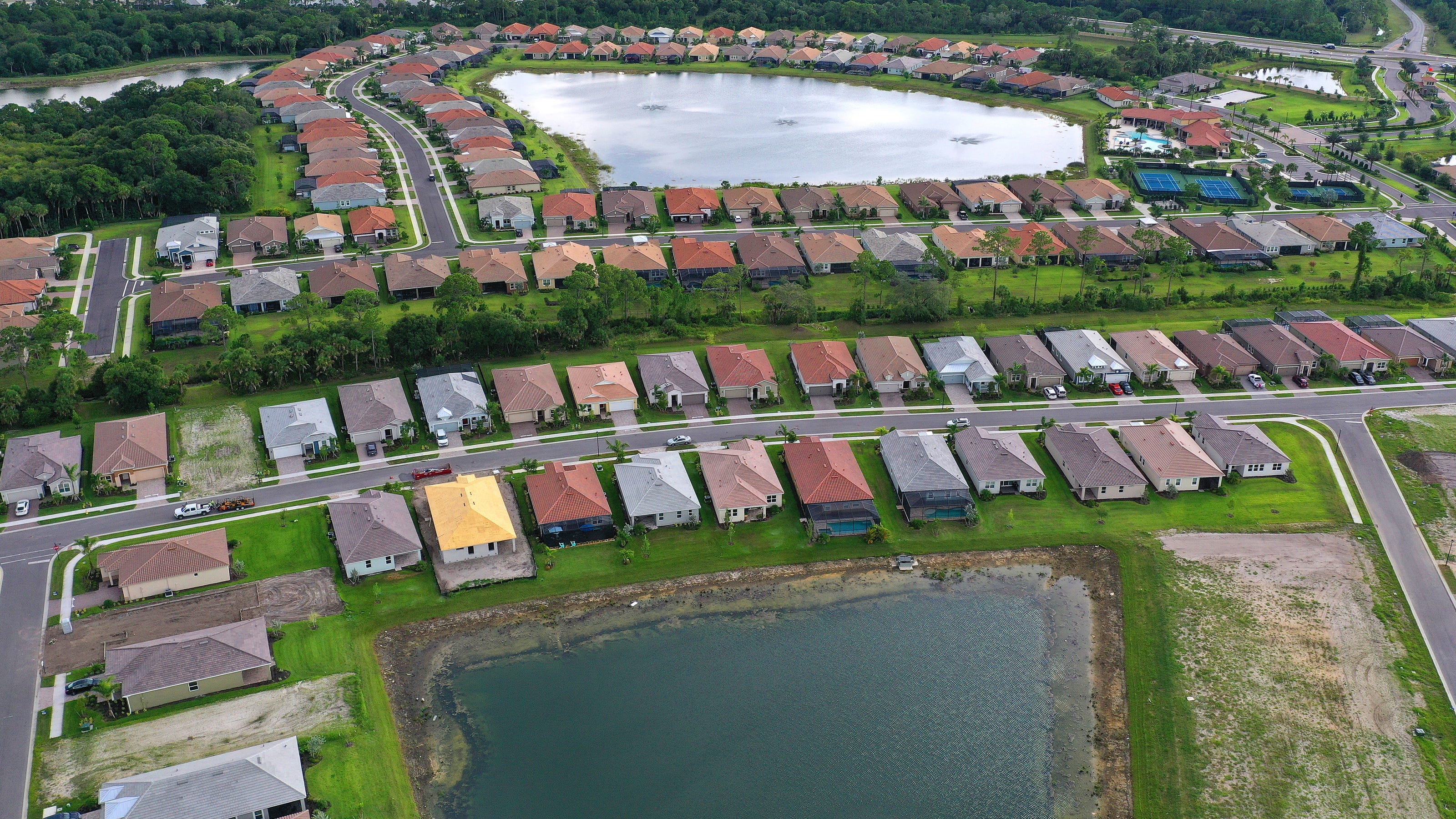
Sarasota County is on the brink of one of its largest modern expansions as the Winchester Ranch project moves closer to approval. Spanning more than 3,100 acres near North Port, the planned mega-development could bring up to 8,999 homes plus major commercial and industrial space. With construction projected to begin in 2027–2028, the community has sparked both excitement over new housing opportunities and concerns about environmental impact, placing it at the center of Florida’s ongoing growth debate.