How Rising Energy Costs Are Quietly Reshaping the Hudson Valley Real Estate Market
For years, real estate professionals measured affordability through familiar metrics: interest rates, supply, zoning, and construction costs. But in the Hudson Valley, a new variable has surged quietly into the spotlight. Energy costs, once a secondary consideration, are now reshaping how properties are valued, financed, and even livable.
According to reporting from Rockland County Business Journal, the pressure on middle- and lower-income households is reaching a breaking point. Utility bills, driven by rising delivery charges and volatile supply pricing, are now competing directly with essentials like mortgages and health insurance. For many families, the monthly question is no longer how to save, but which critical bill to prioritize.
Click-worthy Insight: Agents who understand energy efficiency are gaining a real competitive edge. These topics now appear more frequently in licensing education, valuation discussions, and property marketing strategies.
The Hidden Cost Reshaping Homeownership
A property’s true carrying cost is no longer only principal, interest, taxes, and insurance. Energy has become a fluctuating expense capable of tipping a household budget from manageable to overwhelming. In older Hudson Valley towns like Rockland and Orange, aging homes magnify this effect.
Outdated HVAC systems, leaky windows, and old insulation can turn standard utility bills into relentless monthly burdens. When rates climb, these aging structures leak money just as fast as they leak heat.
Grid Challenges and Development Delays
While renewable capacity is growing, investment has not kept pace with demand. The grid remains outdated and in many areas at capacity. For developers, this introduces a new challenge: interconnection fees and mandatory infrastructure upgrades are raising budgets and delaying otherwise viable projects.
Meanwhile, energy-heavy facilities like data centers continue to expand across the region. These centers strain local infrastructure but generate limited long-term jobs, adding to community frustration.
Energy Efficiency Is Now a Market Divider
The market is increasingly rewarding homes and buildings with energy-efficient upgrades. Solar installations, LED lighting, modern mechanical systems, and well-sealed envelopes are becoming defining features. Buyers and investors are beginning to calculate energy volatility the same way they evaluate flood zones or deferred maintenance.
For commercial professionals, unpredictable energy expenses squeeze margins and complicate underwriting. Multifamily owners in particular face rising common-area electrical costs that outpace reasonable rent increases.
Policy Lag and Local Solutions
Without a cohesive national plan to upgrade energy infrastructure, local governments may need to take the lead. Potential strategies include:
– Streamlined permitting for solar systems
– PACE financing for energy retrofits
– Community microgrids
– Updated zoning requiring stronger performance standards
Energy is no longer a distant policy issue. It is now directly influencing housing availability, business operations, and the overall real estate market. In the Hudson Valley, these rising energy costs act like a regressive tax that hits lower-income households the hardest.
What This Means for Real Estate Students and Professionals
Energy literacy is quickly becoming essential knowledge for the modern real estate career. Whether you are a new agent preparing for your exam or a seasoned investor advancing your strategy, understanding energy costs strengthens your competitive edge.
This is why programs at Cameron Academy emphasize market analysis, valuation principles, and real-world trends. Students learn how to confidently discuss the forces influencing buyer behavior and property performance, including the rising impact of utility costs.
Want to master these fast-changing topics? Explore real estate licensing and continuing education programs at Cameron Academy and stay ahead of the market.
This article is based on reporting from Rockland County Business Journal. Explore the full story here:
Read the full article on RCBJ
More Articles
Getting licensed or staying ahead in your career can be a journey—but it doesn’t have to be overwhelming. Grab your favorite coffee or tea, take a moment to relax, and browse through our articles. Whether you’re just starting out or renewing your expertise, we’ve got tips, insights, and advice to keep you moving forward. Here’s to your success—one sip and one step at a time!
Just 48 hours after NAR unveiled major revisions to its MLS policies, plaintiffs in the Michigan-based Hardy lawsuit moved to use those changes as evidence, arguing they prove NAR’s prior rules were anticompetitive. NAR denies any wrongdoing, but the case is quickly becoming a key test for whether MLS access should require Realtor membership — a question now echoing across multiple states and potentially reshaping how real estate professionals nationwide access the industry’s most essential tool.
Florida homeowners are now paying some of the highest insurance premiums in the country, with average costs topping $5,800 per year—nearly double the national average. Residents report skyrocketing rates, denied claims, and tough choices between costly coverage and financial risk. As frustration grows, lawmakers and consumer advocates are pushing new reforms aimed at increasing transparency, capping rate hikes, and protecting policyholders in one of the nation’s most volatile insurance markets.
Economic uncertainty, rapid AI adoption, tighter capital flows, and rising portfolio risk are reshaping the 2026 commercial real estate landscape. From shifting workforce patterns to a national housing attainability crisis, the industry is entering a data‑driven, fundamentals‑focused era—making adaptability, education, and tech literacy essential for real estate professionals.
Mortgage rates have climbed to 6.23 percent as investors grow doubtful that the Federal Reserve will deliver a rate cut in December. A soft but unclear jobs report and persistent inflation have pushed borrowing costs higher, reversing October’s brief relief in the housing market. Real estate and mortgage professionals should prepare clients for continued volatility as the Fed’s December meeting approaches.
After years of tight inventory, high mortgage rates, and sluggish sales, economists say 2026 is shaping up to be the turnaround real estate professionals have been waiting for. NAR projects a 14 percent jump in home sales, mortgage rates easing toward 6 percent, and buyer demand finally gaining momentum. While higher‑end homes are moving quickly, first‑time buyers continue to face affordability challenges, and price reductions are reappearing as sellers adjust to shifting conditions. For Florida agents, brokers, and newcomers, the stage is being set for a busy and opportunity‑rich year.
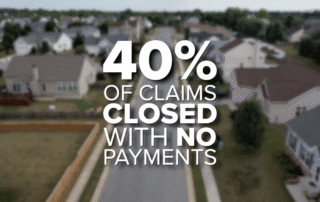
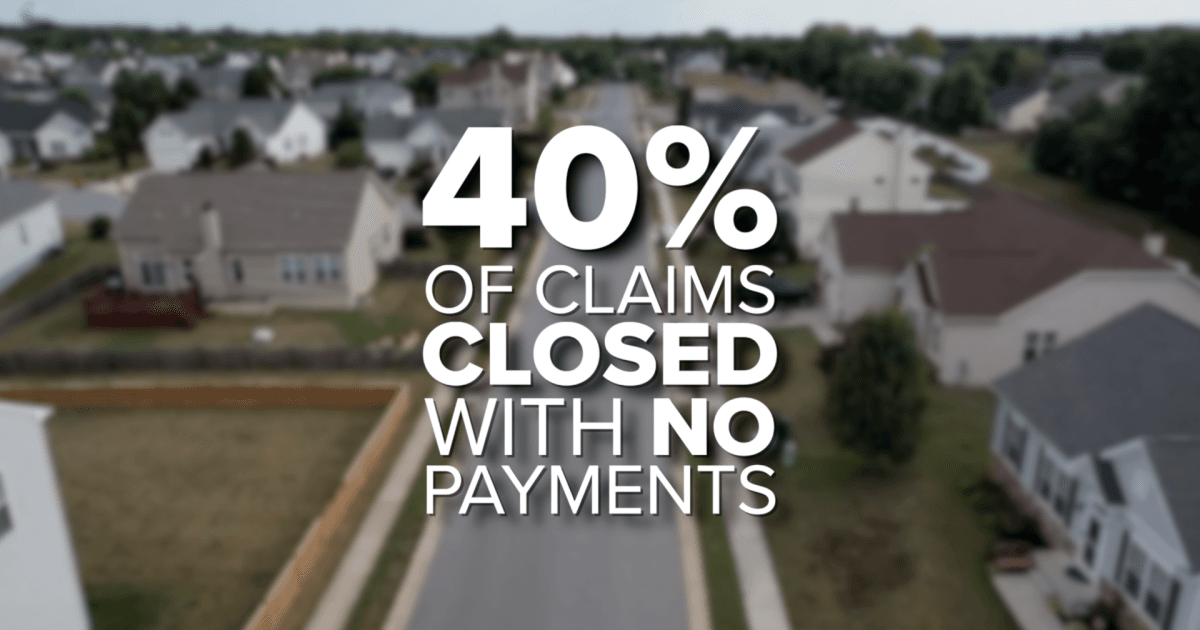
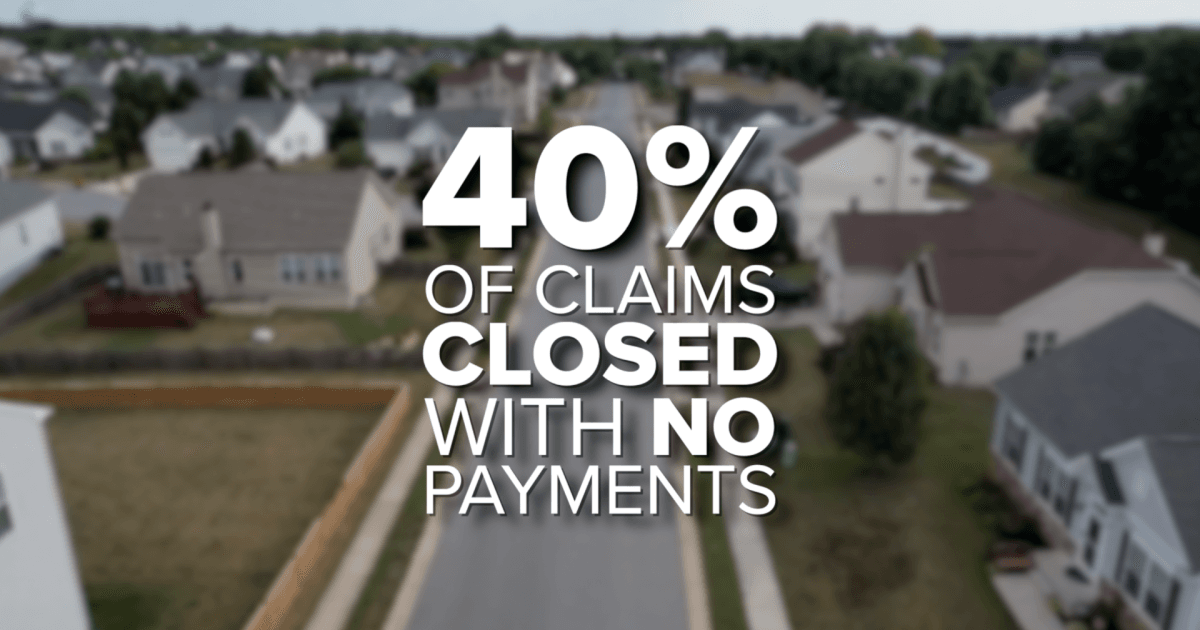
Florida’s average homeowner insurance premium has soared to $5,838 a year—almost $3,000 above the national average—pushing many residents to the financial brink. From tripled premiums to lowball claim payouts, homeowners are speaking out as frustration mounts. Some are even dropping coverage entirely. With more than 40% of claims closed without payment and policy cancellations at record levels, lawmakers are pushing for reforms, but political hurdles remain. The outcome could reshape Florida real estate, insurance, and mortgage markets for years to come.