How the LA Wildfires Exposed a Cracking Insurance System — And Why Professionals Across Industries Should Be Paying Attention
For a brief moment last January, after losing their Altadena home to the devastating Los Angeles wildfires, Jessica and Matt Conkle thought hope had arrived. Their insurer, State Farm, responded swiftly with emergency living expense checks — a gesture that felt like a lifeline during chaos.
But what followed was months of slow-motion frustration: multiple adjusters, lowball valuations, unreturned calls, and a rebuilding offer so far below market cost it couldn’t get construction started. What should have been a straightforward process became an exhausting battle for basic fairness.
“It was all delays and denials,” Jessica said. “It’s consuming all our time… and it’s inhuman.”
The Conkles’ story is far from unique — and that should concern every homeowner, real estate professional, and insurance provider in America.
A Crisis That Reaches Well Beyond Los Angeles
A much larger pattern is emerging. Reports from the nonprofit Department of Angels reveal that nearly 8 out of 10 wildfire survivors faced major obstacles collecting claims. Many who lost only part of their home faced even bigger hurdles than those who lost everything.
The LA recovery has become a symbol of a national crisis: an insurance system straining — and in some places breaking — under extreme climate volatility. Providers are raising premiums dramatically, reducing coverage, or abandoning high-risk regions altogether.
Yet, ironically, insurers aren’t suffering financially. The industry earned $169 billion in profit last year — a record — thanks largely to strong investment gains.
The Tension Between Risk and Responsibility
Insurance companies argue they need higher premiums to remain sustainable amid escalating disasters. Meanwhile, investigations show many are leveraging loopholes to avoid covering the customers who need them most — especially those living in fire-prone regions.
Regulators haven’t escaped criticism either. California insurance commissioner Ricardo Lara has faced accusations of prioritizing industry concerns over consumer protections, allowing steep price increases while offering minimal systemic reforms.
This imbalance sparked community backlash — including leaders like Joy Chen, whose public pressure helped accelerate stalled claims within days.
Climate Risk: The Growing Force Reshaping Homeownership
Global catastrophe losses are exploding. In 2025 alone, natural disasters caused over $145 billion in underwriting losses. Wildfires are only a portion of the total; storms and hurricanes contribute even more.
As private insurers pull back, government options like California’s Fair Plan are becoming the default — yet these programs are financially strained and unsustainable long-term.
“We’re marching toward an uninsurable future,” warns Dave Jones, former California insurance commissioner.
Experts say the industry must take bolder action: rewarding mitigation, rewriting replacement-cost formulas, and even leveraging their investment power to pressure fossil-fuel producers.
Why This Matters for Professionals Nationwide
Real estate agents, mortgage brokers, insurance agents, and financial planners are already feeling the tremors of this system shift.
Homebuyers can’t close deals without secured insurance.
Lenders face risk exposure when insurers drop coverage.
Agents must discuss climate risk disclosures more than ever.
Insurance professionals face tighter rules and scrutiny.
For those in Florida — where climate volatility and insurance instability are already present — the LA wildfire crisis is not a distant story. It is a preview.
Where Cameron Academy Fits Into This Moment
Cameron Academy continues to prepare rising and established professionals for real-world conditions, not just exam day. Whether you’re entering real estate, insurance, mortgage, finance, or expanding your licenses, understanding the impact of climate risk makes you more valuable — and indispensable to your clients.
Education isn’t just a requirement — it’s a professional advantage.
A Turning Point for the American Middle Class
Wildfire survivors like the Conkles aren’t asking for special treatment — just a fair return on the coverage they paid for. But their struggle reveals something deeper: the stability of American homeownership is being shaken by forces larger than any one family, insurer, or state.
Reform, price increases, and entirely new systems may emerge. But one truth remains: professionals across real estate and insurance will shape how Americans navigate the storms ahead.
Getting licensed or staying ahead in your career can be a journey—but it doesn’t have to be overwhelming. Grab your favorite coffee or tea, take a moment to relax, and browse through our articles. Whether you’re just starting out or renewing your expertise, we’ve got tips, insights, and advice to keep you moving forward. Here’s to your success—one sip and one step at a time!
A growing share of American homeowners now carry mortgage rates above 5%—a dramatic shift that’s reshaping refinancing, inventory, and buyer behavior nationwide. With more than 30% of borrowers locked into rates over 5% and 20% above 6%, the market is split between owners holding on to low pandemic‑era loans and new buyers taking on higher‑rate mortgages. Federal efforts to push rates down could unlock millions of refinancing opportunities, while buyers see only modest monthly savings. For real estate professionals, understanding these rate dynamics is crucial as they increasingly drive inventory levels, affordability, and market activity.
New Moody’s data shows commercial real estate deal volume slipped 20% in December, marking a second monthly decline. Yet the full year tells a different story: 2025 ended with a 17% gain, signaling a quiet but resilient recovery. The biggest surprise came from the office sector, which posted a 21% jump in activity as return‑to‑office trends and AI‑driven job growth boosted demand. Multifamily, retail, and alternative assets like data centers also saw strong momentum, giving real estate professionals a market full of fresh opportunities heading into 2026.
Florida drivers and industry professionals are heading into 2026 with good news: auto insurance rates are dropping across the state as the market shows strong signs of stabilization. USAA leads the latest wave with a 7% average rate decrease expected in May 2026, saving members more than $125 million annually. They join several major insurers — including State Farm, Progressive, AAA, Allstate, and Florida Farm Bureau — all approving significant reductions. Officials credit recent legislative reforms, especially tort reform, for the improved loss ratios and renewed insurer confidence. With both auto and home insurance markets strengthening, Florida’s real estate, mortgage, and insurance professionals can expect more consumer confidence, smoother transactions, and expanding career opportunities.
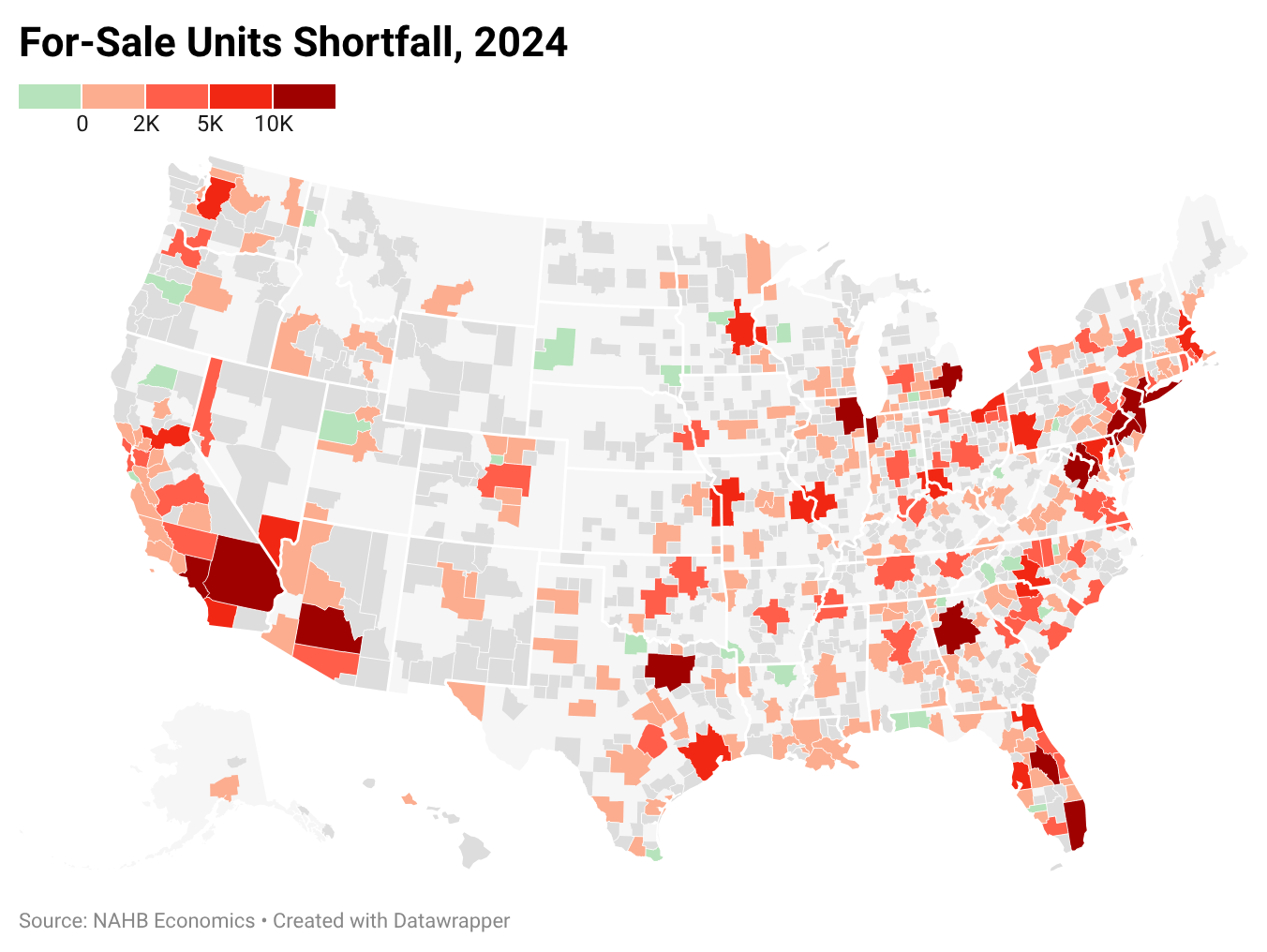
New data from Eye On Housing and the NAHB shows the U.S. remains short more than 1.2 million housing units, keeping pressure on both rents and home prices. Record‑low vacancy rates, slow single‑family construction, and restrictive zoning continue to fuel intense competition in 2024. Major metros like Chicago, New York, and Atlanta face some of the deepest deficits, and the true nationwide shortfall may be even higher when accounting for overcrowding and aging homes. For real estate professionals, the ongoing shortage means sustained demand, tighter inventory, and major opportunities for those who understand the evolving market.
Top real estate coach Jason Pantana says the divide between agents today isn’t about who has “tried” AI — it’s about who is immersed in it. In a new HousingWire interview, he explains why AI isn’t a gimmick but a full business system that amplifies output, improves authenticity, and reshapes how clients search for agents. From prompt mastery to AI‑driven visibility on Google, Pantana reveals how agents who commit even 15 minutes a day to learning AI are already outperforming those who hesitate.
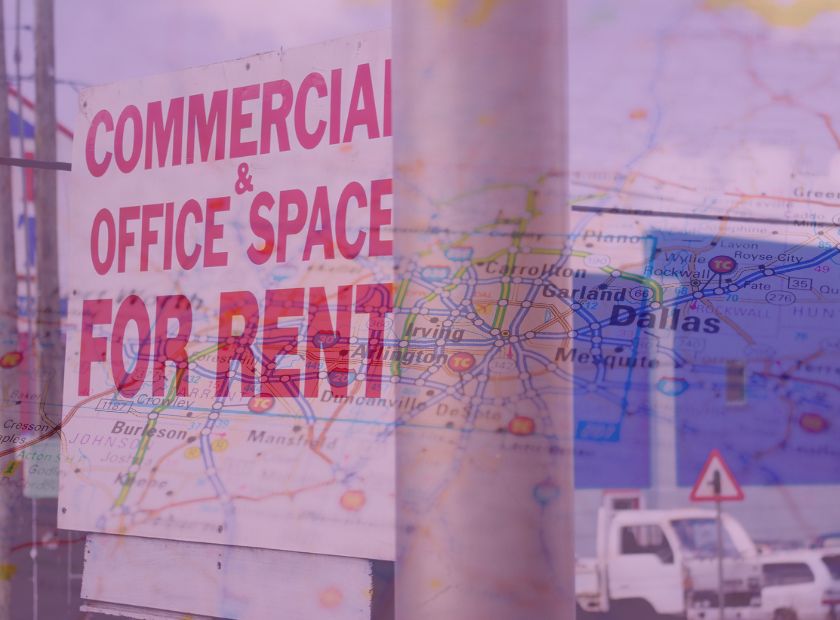
Dallas–Fort Worth’s commercial real estate market closed 2025 with a split personality. Industrial dominated with massive new deliveries and soaring leasing demand, retail held steady with some of the market’s strongest fundamentals in years, and office continued to falter under remote‑work pressures. High vacancies, weak absorption, and rising demand for top‑tier space show the sector’s ongoing reset. Meanwhile, industrial and retail strength position the Metroplex for another powerhouse year heading into 2026.