How the LA Wildfires Exposed a Cracking Insurance System — And Why Professionals Across Industries Should Be Paying Attention
For a brief moment last January, after losing their Altadena home to the devastating Los Angeles wildfires, Jessica and Matt Conkle thought hope had arrived. Their insurer, State Farm, responded swiftly with emergency living expense checks — a gesture that felt like a lifeline during chaos.
But what followed was months of slow-motion frustration: multiple adjusters, lowball valuations, unreturned calls, and a rebuilding offer so far below market cost it couldn’t get construction started. What should have been a straightforward process became an exhausting battle for basic fairness.
“It was all delays and denials,” Jessica said. “It’s consuming all our time… and it’s inhuman.”
The Conkles’ story is far from unique — and that should concern every homeowner, real estate professional, and insurance provider in America.
A Crisis That Reaches Well Beyond Los Angeles
A much larger pattern is emerging. Reports from the nonprofit Department of Angels reveal that nearly 8 out of 10 wildfire survivors faced major obstacles collecting claims. Many who lost only part of their home faced even bigger hurdles than those who lost everything.
The LA recovery has become a symbol of a national crisis: an insurance system straining — and in some places breaking — under extreme climate volatility. Providers are raising premiums dramatically, reducing coverage, or abandoning high-risk regions altogether.
Yet, ironically, insurers aren’t suffering financially. The industry earned $169 billion in profit last year — a record — thanks largely to strong investment gains.
The Tension Between Risk and Responsibility
Insurance companies argue they need higher premiums to remain sustainable amid escalating disasters. Meanwhile, investigations show many are leveraging loopholes to avoid covering the customers who need them most — especially those living in fire-prone regions.
Regulators haven’t escaped criticism either. California insurance commissioner Ricardo Lara has faced accusations of prioritizing industry concerns over consumer protections, allowing steep price increases while offering minimal systemic reforms.
This imbalance sparked community backlash — including leaders like Joy Chen, whose public pressure helped accelerate stalled claims within days.
Climate Risk: The Growing Force Reshaping Homeownership
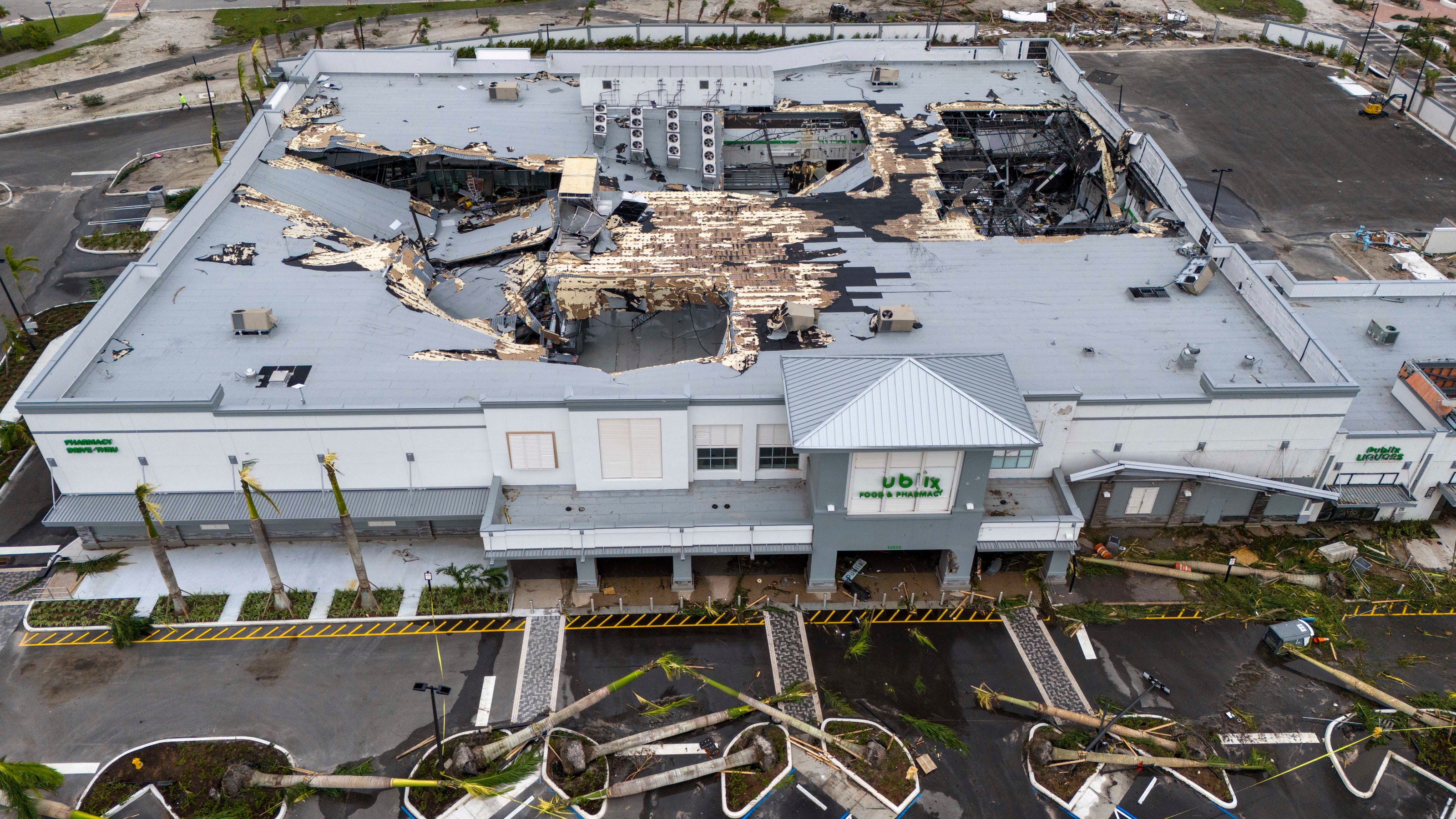
Global catastrophe losses are exploding. In 2025 alone, natural disasters caused over $145 billion in underwriting losses. Wildfires are only a portion of the total; storms and hurricanes contribute even more.
As private insurers pull back, government options like California’s Fair Plan are becoming the default — yet these programs are financially strained and unsustainable long-term.
“We’re marching toward an uninsurable future,” warns Dave Jones, former California insurance commissioner.
Experts say the industry must take bolder action: rewarding mitigation, rewriting replacement-cost formulas, and even leveraging their investment power to pressure fossil-fuel producers.
Why This Matters for Professionals Nationwide
Real estate agents, mortgage brokers, insurance agents, and financial planners are already feeling the tremors of this system shift.
Homebuyers can’t close deals without secured insurance.
Lenders face risk exposure when insurers drop coverage.
Agents must discuss climate risk disclosures more than ever.
Insurance professionals face tighter rules and scrutiny.
For those in Florida — where climate volatility and insurance instability are already present — the LA wildfire crisis is not a distant story. It is a preview.
Where Cameron Academy Fits Into This Moment
Cameron Academy continues to prepare rising and established professionals for real-world conditions, not just exam day. Whether you’re entering real estate, insurance, mortgage, finance, or expanding your licenses, understanding the impact of climate risk makes you more valuable — and indispensable to your clients.
Education isn’t just a requirement — it’s a professional advantage.
A Turning Point for the American Middle Class
Wildfire survivors like the Conkles aren’t asking for special treatment — just a fair return on the coverage they paid for. But their struggle reveals something deeper: the stability of American homeownership is being shaken by forces larger than any one family, insurer, or state.
Reform, price increases, and entirely new systems may emerge. But one truth remains: professionals across real estate and insurance will shape how Americans navigate the storms ahead.
Getting licensed or staying ahead in your career can be a journey—but it doesn’t have to be overwhelming. Grab your favorite coffee or tea, take a moment to relax, and browse through our articles. Whether you’re just starting out or renewing your expertise, we’ve got tips, insights, and advice to keep you moving forward. Here’s to your success—one sip and one step at a time!
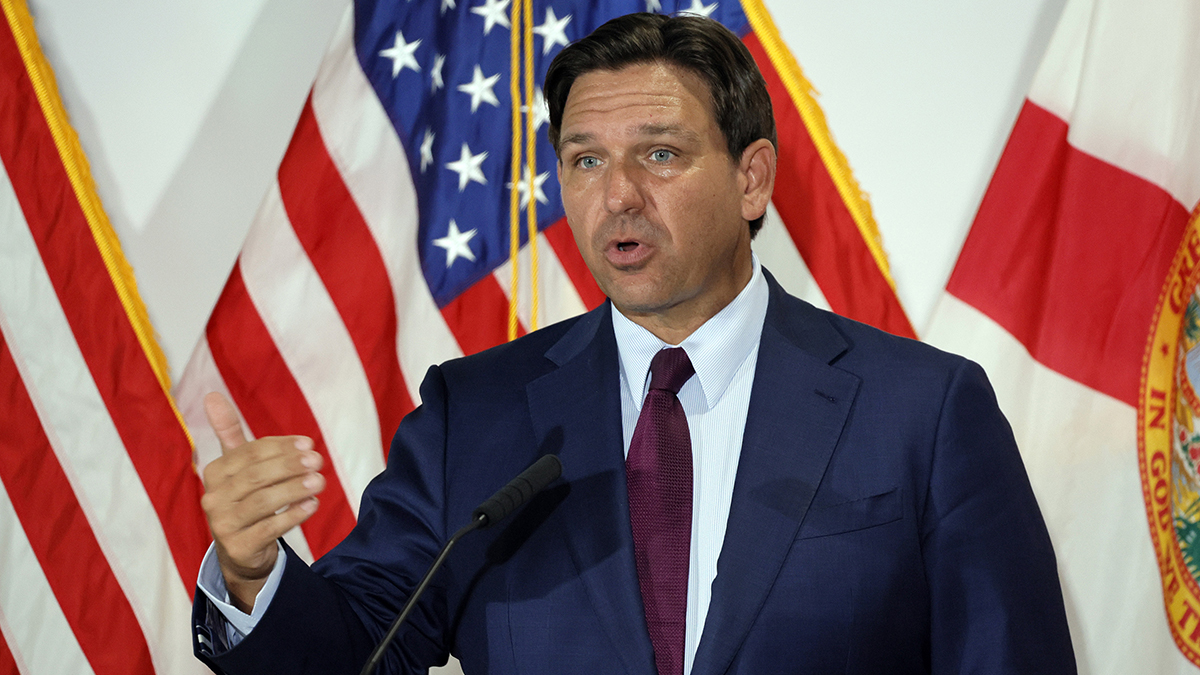
Florida homeowners — especially in hard‑hit South Florida — are set to see rare and substantial reductions in their property insurance premiums. Gov. Ron DeSantis announced an average statewide Citizens Insurance decrease of 8.7%, with even larger savings of up to 14% in counties like Miami-Dade, Broward, and Palm Beach. State officials credit recent legal and regulatory reforms for stabilizing the market, attracting new insurers, and delivering the first meaningful rate relief Floridians have seen in years.
Tampa’s commercial real estate market isn’t slowing—it’s maturing. With strong population growth, rising office demand, a normalized industrial sector, resurgent retail, and an emerging health‑care real estate boom, investors are shifting from speed to strategy. Tighter underwriting, cautious capital and increased due‑diligence are shaping a more disciplined market, creating new opportunities for informed professionals.
Florida homeowners are finally seeing relief as Citizens Property Insurance announces a major 8.7% average rate decrease—far larger than originally proposed. Driven by legislative reforms, fewer lawsuits, and a calm hurricane season, the state’s once‑unstable insurance market is showing real signs of recovery. But with reduced coverage limits and shifting legal protections, experts warn that lower premiums may come with hidden trade‑offs.
After a decade of rising premiums and retreating carriers, Florida homeowners are finally seeing long‑awaited relief. Dozens of insurers have filed for rate decreases—some as high as 11%—thanks to legislative reforms and a stabilizing market. Early approvals are already hitting counties across the state, and experts say the momentum could boost buyer confidence, affordability, and competition throughout Florida’s real estate and insurance sectors.
After years of slowed activity caused by rising interest rates, the self‑storage industry is heating up again. New data from Marcus & Millichap shows a fresh market cycle emerging, driven by renewed buyer confidence, recalibrated pricing, and stronger lender participation. Acquisitions are rebounding, development is resetting in a healthier direction, and financing conditions are improving—creating one of the most promising investment landscapes the sector has seen in years.
Brookline’s newly updated FEMA flood maps identify 97 high‑risk parcels, but local experts warn the true threat is far greater. While FEMA highlights river‑based flooding around Leverett Pond and the Muddy River, alternative models show more than 1,300 Brookline properties at risk within 30 years. Hidden vulnerabilities along major corridors like Beacon Street, rising rainfall intensity, aging infrastructure, and climate‑driven storm patterns suggest that many “low‑risk” areas may be anything but safe.