How to Become a Real Estate Agent in Canada in 2026: The Full Licensing Breakdown
Becoming a real estate agent in Canada in 2026 is one of the fastest ways to enter a professional career with high earning potential and no university degree required. With the right preparation, most people can go from zero licensing education to active practice in under a year. But as easy as it is to enter the field, staying in the business is where most new agents struggle. Understanding this difference is what separates those who thrive from those who do not.
Step 1: Meet Basic Eligibility Requirements
Every province requires you to be at least 18, legally able to work in Canada, and holding a high school diploma or equivalent. No university degree is needed, and no previous sales background is required. This accessibility is a major reason real estate continues to attract career changers and returning professionals.
Step 2: Complete Your Provincial Pre-Licensing Education
Real estate licensing in Canada is regulated at the provincial level, meaning there is no national license. Each province sets its own rules, costs, course structure, and exam format. Below is a quick look at how major provinces differ.
Ontario
Administered by RECO and delivered through Humber College, Ontario requires three pre-registration courses, each ending with a proctored exam. Total cost ranges from about 4000 to 5000 dollars. Most learners finish in four to twelve months.
British Columbia
Licensing is overseen by BCFSA, and training is through UBC Sauder. Candidates complete a self-study program and a two-hour supervised exam. Cost is around 1500 dollars, with most finishing in three to six months.
Alberta
RECA regulates licensing, and the pathway includes the Fundamentals of Real Estate and Residential Real Estate courses. Total cost sits between 1200 and 1800 dollars, making Alberta one of the fastest routes to practice.
Quebec
Quebec requires the Attestation of College Studies in real estate brokerage, delivered through CEGEPs. This is the most rigorous pathway, lasting 12 to 24 months. Fluency in French is essential for most transactions.
Timeline Summary
Ontario: 4-12 months, approx. 4500 dollars.
BC: 3-6 months, approx. 1500 dollars.
Alberta: 3-6 months, approx. 1500 dollars.
Quebec: 12-24 months, approx. 3000 dollars.
All provinces require new agents to work under a brokerage for at least 24 months.
Step 3: Pass Your Licensing Exam
Every province ends its education with one or more proctored exams. In Ontario, pass rates hover around 60 to 70 percent on the first attempt. The exams test real estate law, agency, contracts, and regulations but not sales skills. Consistent studying and practice exams remain the strongest predictors of success, similar to the approach used by students preparing for U.S. real estate exams at Cameron Academy.
Step 4: Register with a Brokerage
New agents cannot practice independently. You must register with a brokerage and work under a managing broker during your initial period. Large national brands like RE/MAX, Royal LePage, Century 21, Keller Williams, and eXp Realty offer training, technology, and infrastructure. Commission splits typically range from 70/30 to 80/20, although boutique firms may offer higher splits with fewer resources.
The Income Reality in Canada
First-year real estate agents in Canada often earn between 20,000 and 45,000 dollars gross, with take-home income after expenses dropping to 10,000 to 30,000 dollars for many. Those who make it beyond year three often see income jump to 80,000 to 150,000 dollars, while top agents in major cities can earn 300,000 to 800,000 dollars or more.
The agents who rise to the top are not always the most educated. They are the most consistent in prospecting, networking, and relationship building. This mirrors what we see in the United States as well, where students who combine strong education with persistent action outperform those who rely on licensing alone.
Income Snapshot 2026
Year 1 average: 20,000-45,000 dollars gross.
Year 3+: 80,000-150,000 dollars.
Top 10 percent: 250,000-800,000 dollars+.
Self-employed agents must also cover insurance, board dues, MLS access, and marketing.
Frequently Asked Questions
How long does it take to get licensed?
Most provinces allow completion in three to six months, while Ontario ranges from four to twelve. Quebec requires twelve to twenty-four months. After education, licensing with a brokerage is typically completed within two to four weeks.
Do you need a degree?
No. A high school diploma is the only academic requirement across all provinces.
Is real estate a good career in 2026?
Real estate can be a high-income career for those with strong discipline and consistent lead-generation habits. However, roughly 70 percent of new agents leave the industry within two years. Long-term success depends on persistence, professionalism, and systems, not luck.
Final Thought
While Canada has its own licensing structure, the principles of success remain universal. Whether you are studying for a Canadian exam or preparing for a U.S. license with Cameron Academy, smart preparation, strong education, and consistent action are the keys to building a thriving real estate career.
More Articles
Getting licensed or staying ahead in your career can be a journey—but it doesn’t have to be overwhelming. Grab your favorite coffee or tea, take a moment to relax, and browse through our articles. Whether you’re just starting out or renewing your expertise, we’ve got tips, insights, and advice to keep you moving forward. Here’s to your success—one sip and one step at a time!
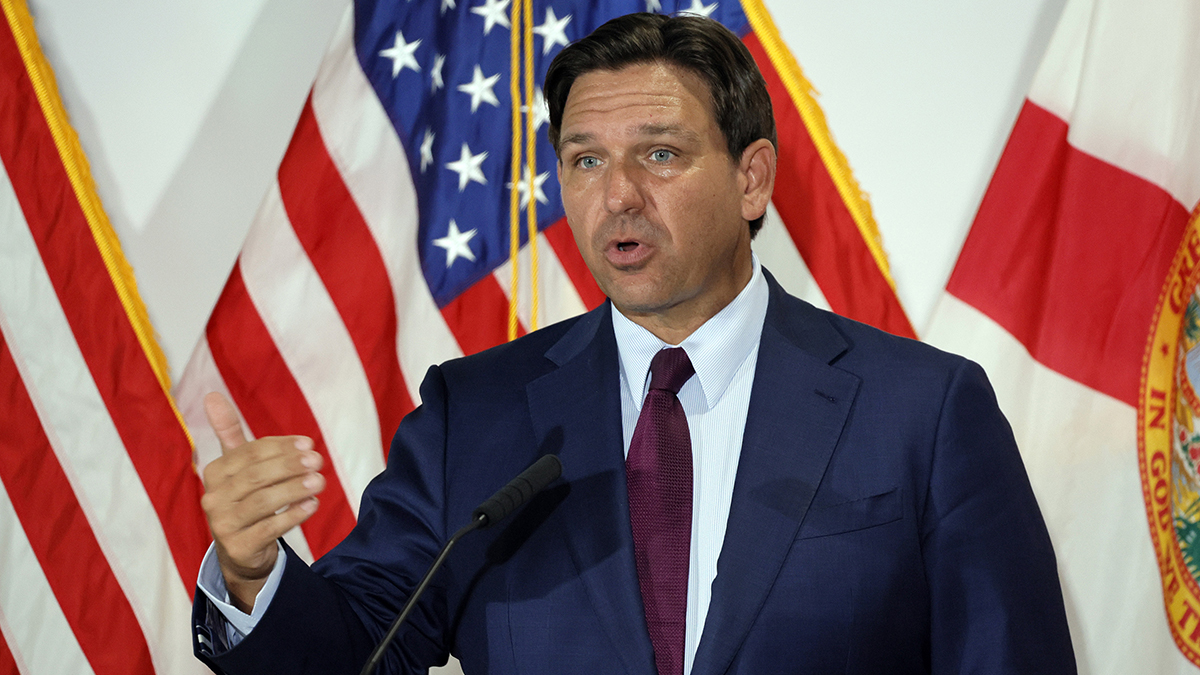
Florida homeowners — especially in hard‑hit South Florida — are set to see rare and substantial reductions in their property insurance premiums. Gov. Ron DeSantis announced an average statewide Citizens Insurance decrease of 8.7%, with even larger savings of up to 14% in counties like Miami-Dade, Broward, and Palm Beach. State officials credit recent legal and regulatory reforms for stabilizing the market, attracting new insurers, and delivering the first meaningful rate relief Floridians have seen in years.
Tampa’s commercial real estate market isn’t slowing—it’s maturing. With strong population growth, rising office demand, a normalized industrial sector, resurgent retail, and an emerging health‑care real estate boom, investors are shifting from speed to strategy. Tighter underwriting, cautious capital and increased due‑diligence are shaping a more disciplined market, creating new opportunities for informed professionals.
Florida homeowners are finally seeing relief as Citizens Property Insurance announces a major 8.7% average rate decrease—far larger than originally proposed. Driven by legislative reforms, fewer lawsuits, and a calm hurricane season, the state’s once‑unstable insurance market is showing real signs of recovery. But with reduced coverage limits and shifting legal protections, experts warn that lower premiums may come with hidden trade‑offs.
After a decade of rising premiums and retreating carriers, Florida homeowners are finally seeing long‑awaited relief. Dozens of insurers have filed for rate decreases—some as high as 11%—thanks to legislative reforms and a stabilizing market. Early approvals are already hitting counties across the state, and experts say the momentum could boost buyer confidence, affordability, and competition throughout Florida’s real estate and insurance sectors.
After years of slowed activity caused by rising interest rates, the self‑storage industry is heating up again. New data from Marcus & Millichap shows a fresh market cycle emerging, driven by renewed buyer confidence, recalibrated pricing, and stronger lender participation. Acquisitions are rebounding, development is resetting in a healthier direction, and financing conditions are improving—creating one of the most promising investment landscapes the sector has seen in years.
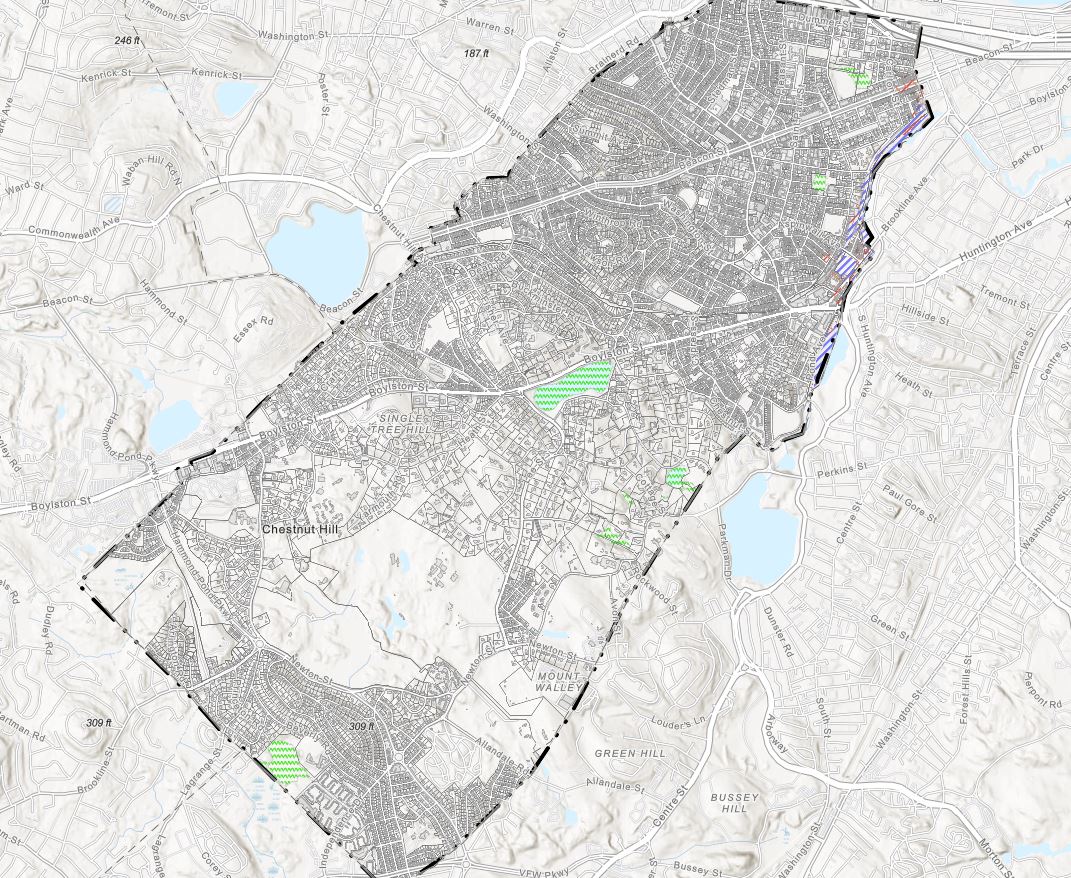
Brookline’s newly updated FEMA flood maps identify 97 high‑risk parcels, but local experts warn the true threat is far greater. While FEMA highlights river‑based flooding around Leverett Pond and the Muddy River, alternative models show more than 1,300 Brookline properties at risk within 30 years. Hidden vulnerabilities along major corridors like Beacon Street, rising rainfall intensity, aging infrastructure, and climate‑driven storm patterns suggest that many “low‑risk” areas may be anything but safe.