How to Generate Leads in Real Estate: A Comprehensive Approach

In the ever-evolving world of real estate, staying ahead of the curve is essential for success. As the industry continues to embrace digital transformation, real estate agents and brokers are finding innovative ways to generate leads and expand their client base. The Hootsuite Blog article by Sam Lauron offers a treasure trove of strategies that blend traditional methods with cutting-edge digital tools.

Harnessing the Power of Social Media Social media platforms have become indispensable tools for real estate professionals. By optimizing profiles on Facebook, Instagram, and LinkedIn, agents can reach a broader audience and engage with potential clients more effectively. The article emphasizes the importance of using niche hashtags, such as #RealEstateListings, to stand out in a crowded digital space.

Engaging with Communities Joining online communities, such as Slack groups and Facebook Groups, provides real estate agents with opportunities to connect with like-minded individuals and potential clients. By participating in discussions and offering valuable insights, agents can build trust and establish themselves as industry experts.

Video Content: The New Frontier The rise of video content cannot be ignored. Platforms like Instagram Reels and TikTok offer creative ways to showcase properties and share industry knowledge. By repurposing listing videos into engaging short clips, agents can capture the attention of potential buyers and sellers.

Leveraging Tools for Success Tools like Hootsuite play a pivotal role in managing social media efforts. With features for scheduling and analyzing posts, Hootsuite helps agents maintain a consistent online presence and track the effectiveness of their campaigns.

Establishing Authority with Content Creating valuable content, such as newsletters and blog posts, allows agents to address common client questions and showcase their expertise. The article highlights the use of LinkedIn newsletters as a way to establish authority and gather leads.

Networking and Collaboration Building a network of industry professionals, including mortgage lenders, insurance brokers, and interior designers, can lead to valuable referrals. By collaborating with related service providers, agents can expand their reach and enhance their reputation.

Conclusion In a world where digital and traditional methods coexist, real estate professionals must adapt and innovate to thrive. The insights shared in the Hootsuite Blog article serve as a roadmap for agents looking to generate leads and succeed in a competitive market. By embracing social media, engaging with communities, and leveraging digital tools, real estate agents can position themselves for long-term success.


More Articles

Getting licensed or staying ahead in your career can be a journey—but it doesn’t have to be overwhelming. Grab your favorite coffee or tea, take a moment to relax, and browse through our articles. Whether you’re just starting out or renewing your expertise, we’ve got tips, insights, and advice to keep you moving forward. Here’s to your success—one sip and one step at a time!

Global Capital Is Reshaping Real Estate for 2026

Investors worldwide are redeploying capital, embracing more active deal structures, and expanding into new regions as the 2026 market takes shape. Data centers, revived office demand, and global diversification are driving a major shift—creating fresh opportunities for real estate, mortgage, and finance professionals who understand where capital is heading next.

Florida’s Home Insurance Crisis Hits Breaking Point as Premiums Soar and Claims Go Unpaid

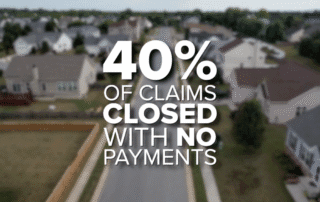
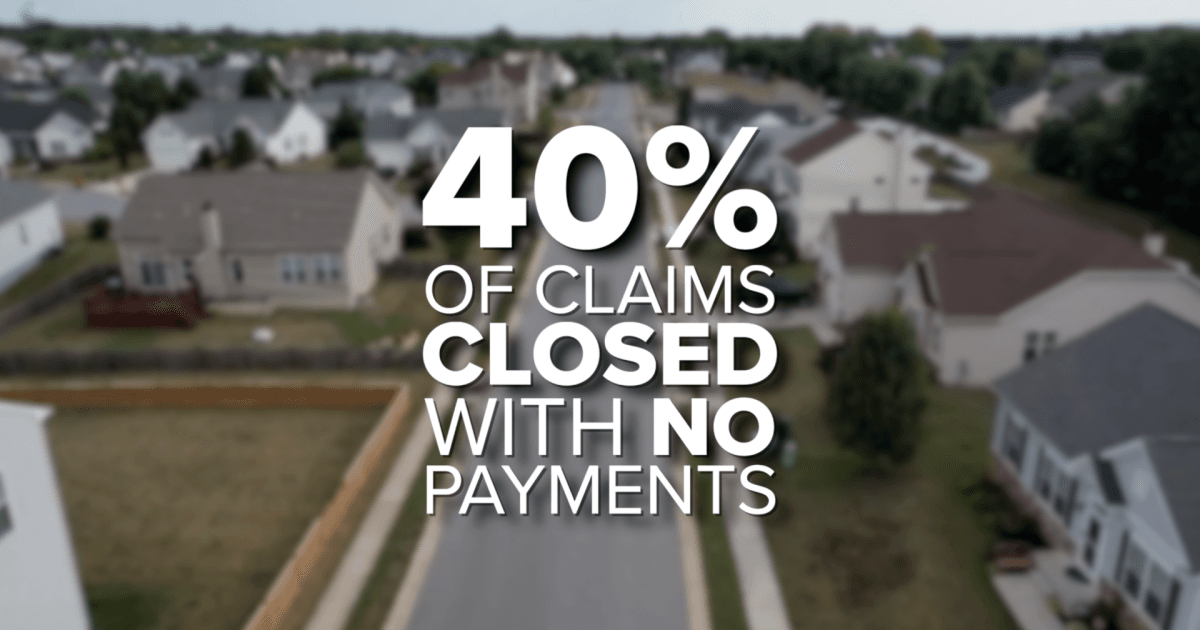
Florida homeowners now pay an average of $5,838 per year for insurance—about $3,000 more than the national average—pushing many families to the financial brink. Residents report premiums tripling, claims being severely underpaid, and insurers dropping policies at one of the highest rates in the country. As frustration mounts, lawmakers and industry experts are calling for sweeping reforms to curb rising costs, increase accountability, and stabilize a market that’s reshaping real estate decisions across the state.

Citizens Insurance Steps Back as Florida’s Private Market Surges

Florida’s insurance market has hit a major turning point. Citizens Property Insurance—once the state’s largest insurer with 1.4 million policies—has shed more than 900,000 policies as private insurers return in force. Driven by Florida’s depopulation program and the arrival of 17 new companies, nearly 200,000 policies shifted to private carriers in October alone, with about 40 percent offering lower premiums. The shift signals rising competition, stabilizing rates, and new opportunities for homeowners and industry professionals navigating Florida’s evolving insurance landscape.

NAR Unveils Biggest MLS Policy Overhaul in 20 Years, Effective 2026

The National Association of REALTORS® has approved 18 major updates to modernize its MLS policies—the largest overhaul in two decades. Announced at NAR NXT in Houston and set to take effect in January 2026, the changes aim to streamline MLS operations, improve enforcement clarity, and better align policies with how today’s real estate professionals actually work.

Inhabit Unveils New AI and Fraud Prevention Tools Transforming Property Management

Inhabit has rolled out a powerful lineup of AI-driven leasing, marketing, fraud prevention, and compliance tools designed to streamline operations and protect property teams from growing risks. From hybrid AI leasing assistants to instant income verification and upcoming portfolio-wide lease audits, these innovations aim to cut costs, eliminate inefficiencies, and strengthen regulatory confidence across the multifamily industry.

Florida’s Insurance System Is Shifting Again—But Are Homeowners Still in the Danger Zone?

Florida’s latest round of insurance reforms was meant to calm a volatile market, yet many experts warn the same deep structural problems remain. Homeowners are being pushed from Citizens into higher‑priced, lightly capitalized private insurers, ratings agencies face scrutiny for inflated grades, and political influence clouds oversight. For real estate and insurance professionals, these trends signal ongoing risk, rising costs, and a market in need of a complete rebuild.