Ever wondered how your paycheck stacks up against others in your field—or even across different industries entirely? Thanks to new data from the U.S. Bureau of Labor Statistics, we now have a much clearer view of where different professions stand as we head into 2025. Some industries are soaring, others are stagnant, and your specific job title may matter more than you think.
• Salary differences between industries can be dramatic—even doubling between similar education levels.
• Job titles alone can create pay gaps of $30,000+ annually.
• Location, experience, and specialized skills can dramatically push earnings higher—especially in technology and healthcare.
The 2025 Salary Landscape
According to BLS data, median salaries for in-demand roles range from $66,000 to more than $161,000. If you’ve ever wondered whether you’re being paid fairly, this snapshot is a solid place to begin.
Job Title
Median Annual Salary
Industry
Financial Manager
$161,700
Finance
Software Developer
$133,080
Technology
Nurse Practitioner
$130,890
Healthcare
Information Security Analyst
$124,910
Cybersecurity
Data Scientist
$112,590
Technology
Project Manager
$100,750
Business
Registered Nurse
$93,600
Healthcare
Accountant
$81,680
Finance
Marketing Manager
$159,660
Marketing
Sales Representative
$66,780
Sales
Industry and Job Title: The Real Drivers Behind Pay Gaps
Your industry choice alone can change your income by tens of thousands of dollars. Technology and healthcare continue to dominate the highest-paying non-executive roles, with software developers earning a median of $133,080 and nurse practitioners close behind at $130,890.
Even within the same field, job titles dramatically change earnings. Nurse practitioners earn roughly $37,000 more than registered nurses. Software developers outpace data scientists by over $20,000 annually. These differences often come down to advanced training, specialized skills, and expanded responsibilities.
Career Note: Cybersecurity, data science, and software development are among the fastest-growing careers in the U.S., with projected growth rates between 15% and 35% through 2034.
Location, Experience, and Skills: The Big Salary Boosters
Where you work matters—sometimes significantly. A fundraising manager in Washington earns a median of $153,950, compared to $112,340 for the same role in Illinois. Meanwhile, California-based software developers frequently exceed the $130,000 mark.
Experience also remains a major factor. Marketing managers with under one year of experience average $56,643, while those with up to four years make $66,633. Project managers see a median salary of $105,000, often rising into the $130,000+ range with bonuses and incentives.
Certifications and specialized training can also unlock higher pay. For example, seasoned information security analysts with advanced certifications can exceed $180,000. Technical sales representatives with high-value skills can increase their income by as much as 44%.
Advancing Your Career Through Licensing and Education
Whether you’re stepping into real estate, expanding healthcare credentials, or moving into finance or insurance, education and licensing remain some of the most effective ways to grow your income. At Cameron Academy, professionals across the nation rely on industry-leading courses to elevate their expertise and unlock better-paying roles—especially in fast-moving sectors like real estate, mortgage, insurance, and medical services.
Your income potential in 2025 depends on your industry, your skills, and your ambition. With the right training and a commitment to ongoing growth, your next salary jump may be closer than you think.
More Articles
Getting licensed or staying ahead in your career can be a journey—but it doesn’t have to be overwhelming. Grab your favorite coffee or tea, take a moment to relax, and browse through our articles. Whether you’re just starting out or renewing your expertise, we’ve got tips, insights, and advice to keep you moving forward. Here’s to your success—one sip and one step at a time!
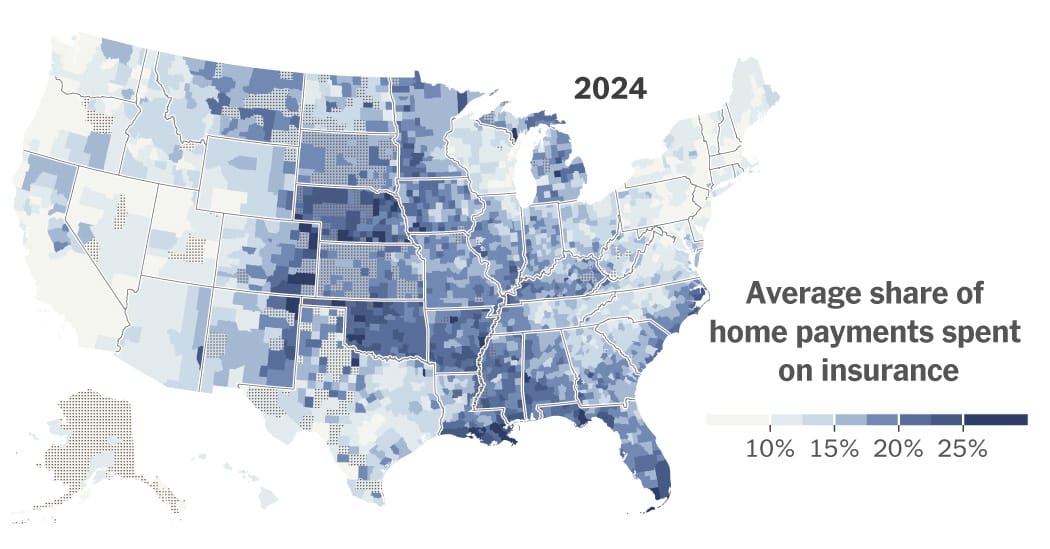
A surge in home insurance premiums is reshaping housing markets across the country, hitting disaster‑prone regions the hardest. From Louisiana to Colorado and California, deals are collapsing, buyers are backing out, and home values are dropping as insurance becomes a central affordability hurdle. New data shows climate‑driven risk repricing and soaring reinsurance costs are stripping tens of thousands of dollars from property values, forcing some homeowners to sell at a loss—or go uninsured altogether.
After years of sluggish activity, the National Association of REALTORS predicts 2026 could mark the long‑awaited rebound for the housing market. With a projected 14% jump in home sales, steadier rates near 6%, and rising buyer activity, NAR economists say momentum is already building. Early signs—like a 31% surge in mortgage applications, continued job growth, and stabilizing prices—suggest a stronger, more confident market ahead, creating fresh opportunities for both seasoned professionals and aspiring agents preparing to enter the field.
A surge of global capital is reshaping real estate heading into 2026, with investors shifting toward hands‑on strategies, cross‑border diversification, and high‑growth asset classes like data centers. Colliers’ 2026 Global Investor Outlook highlights rising confidence, improving liquidity, and a major pivot toward direct investing and value‑add opportunities. From office market rebounds to Asia Pacific’s rapid fundraising growth, the report outlines trends every real estate professional should understand as the industry enters a more dynamic, opportunity‑rich cycle.
Culver City just became the first place in California to legalize six‑story apartment buildings with only one staircase — a simple change that could reshape mid‑rise housing statewide. By freeing up as much as 7% more usable floor space, architects say single‑stair designs allow bigger units, more windows, and the kind of elegant layouts common in New York and Europe. If the city’s six‑year experiment succeeds, it may spark a broader rethinking of U.S. building codes and open the door to more flexible, affordable multifamily development across California.
Stratford homeowners are receiving their 2025 Notices of Assessment Change, marking the town’s first property revaluation since 2019. Officials emphasize that rising assessments do not equal higher tax bills, as a new mill rate won’t be set until spring 2026. Residents can challenge or review their updated valuations through informal hearings hosted by Vision Government Solutions, with appointments available for one week after receiving a notice.
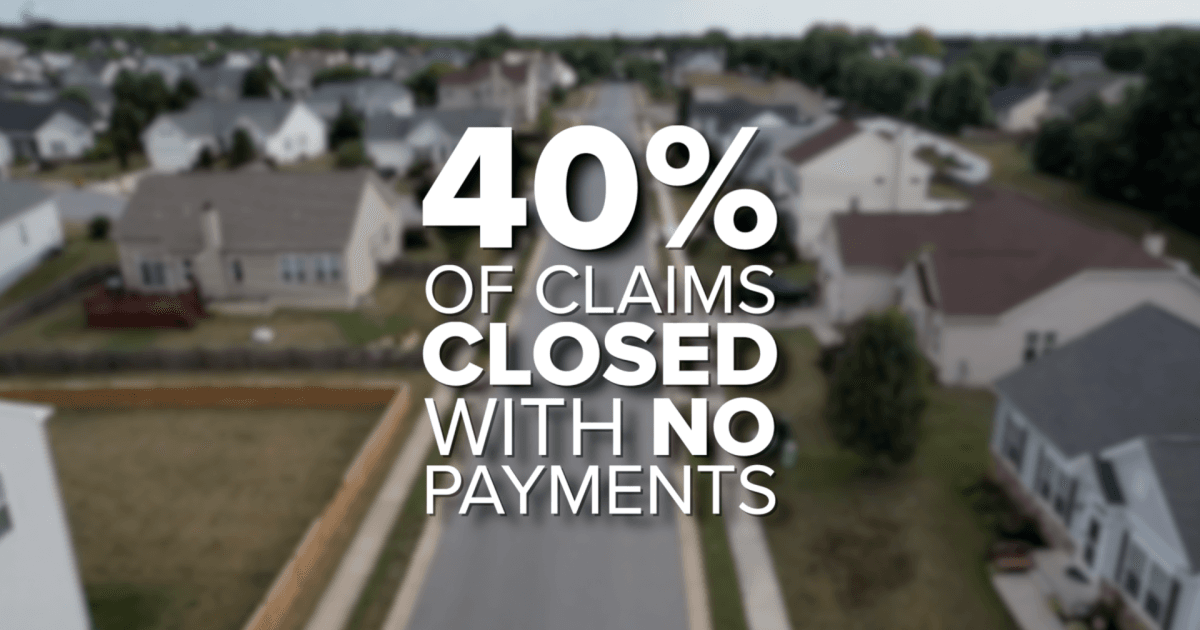
New reporting reveals Florida homeowners now face an average insurance premium of $5,838 per year — nearly triple the national average. With skyrocketing rates, denied claims, and mounting non-renewals, residents are being pushed to tough financial decisions while lawmakers scramble to implement reforms. From retirees skipping coverage to families battling insurers for fair payouts, Florida’s insurance crisis is reshaping both the housing market and the daily lives of homeowners statewide.