Humanity at the Crossroads: Ethical Implications of AI in Medicine
The integration of artificial intelligence (AI) in healthcare has ushered in a new era of medical advancements, but not without raising significant ethical concerns. As AI systems become more prevalent in fields like radiology, emergency medicine, and telehealth, the challenge lies in addressing fundamental issues such as patient consent, data privacy, and implicit biases that these technologies often overlook.
Unraveling the Bias in Algorithms
AI’s promise in healthcare is undeniable, with its ability to uncover hidden disease patterns and predict illnesses. However, the reliance on historical data can exacerbate existing biases, particularly affecting marginalized communities such as the LGBTQIA+ and certain ethnic and racial groups. As highlighted in the article, addressing these biases during the initial implementation phase is crucial to enhancing outcomes more effectively than traditional methods.
Despite the importance of this issue, a study by du Toit et al. revealed that many peer-reviewed articles fail to address algorithm biases adequately. Out of 63 articles on hypertension, none tackled the bias issue, underscoring the need for healthcare and AI professionals to develop stringent measures to identify and rectify such biases.
Empowering Patients Through Informed Consent
Patient autonomy remains a cornerstone of medical ethics, especially in the AI era. Older patients with multiple chronic conditions often express skepticism toward AI-based modalities. An ethical AI system must ensure that these patients are informed about the benefits and have the option to opt out. Transparency in this process fosters trust and addresses concerns about data security and privacy.
Responsible Deployment of AI Technologies
Regulatory bodies like the U.S. Food and Drug Administration (FDA) play a pivotal role in the ethical deployment of AI in healthcare. Establishing comprehensive guidelines and conducting frequent assessments are essential to maintaining transparency and accountability. The article emphasizes the need for a dynamic regulatory framework to prevent AI misuse and ensure patient welfare.
Liability Concerns and AI Hallucinations
Liability concerns present a complex challenge in the event of adverse outcomes. While physicians hold primary responsibility for AI technology selection, manufacturers must also ensure product safety and efficacy. The emergence of AI-specific liability insurance offers a novel solution to managing malpractice claims.
Moreover, healthcare providers must address AI hallucinations—AI-generated misinformation not based on real data. Recognizing the limitations of AI and its inability to replace personalized care is crucial.
Emotions and the Ethical Use of AI in Healthcare
AI’s impact on patient emotions is significant. The introduction of AI-powered diagnostic tools can lead to increased patient distress if not communicated empathetically. Ensuring equity and fairness in AI algorithms is imperative to prevent biases that affect emotional well-being.
Preserving the empathetic human connection in an AI-driven healthcare landscape is paramount. While AI can streamline tasks, it cannot replace the irreplaceable role of human healthcare practitioners in addressing emotional needs.
As AI continues to transform healthcare, it is vital to prioritize ethical considerations. By actively engaging in ethical discussions, the healthcare industry can harness AI’s full potential to improve patient outcomes while upholding the values of medicine.
More Articles
Getting licensed or staying ahead in your career can be a journey—but it doesn’t have to be overwhelming. Grab your favorite coffee or tea, take a moment to relax, and browse through our articles. Whether you’re just starting out or renewing your expertise, we’ve got tips, insights, and advice to keep you moving forward. Here’s to your success—one sip and one step at a time!
The promise of artificial intelligence (AI) in the field of oncology is nothing short of revolutionary. As the world grapples with the complexities of cancer, AI is emerging as a potential game-changer in diagnostics, treatment personalization, and drug discovery.
The U.S. Department of Health and Human Services (HHS) has unveiled its ambitious AI Strategic Plan, a comprehensive blueprint aimed at revolutionizing healthcare, human services, and public health through the transformative power of artificial intelligence.
The ceremony was graced by the presence of three distinguished speakers, whose words of wisdom and encouragement left a lasting impression on the attendees.
In the fast-paced world of artificial intelligence (AI), staying current with the latest technological advancements is crucial for professionals aiming to excel in their careers. As businesses increasingly integrate AI into their operations, the demand for skilled AI experts is surging.
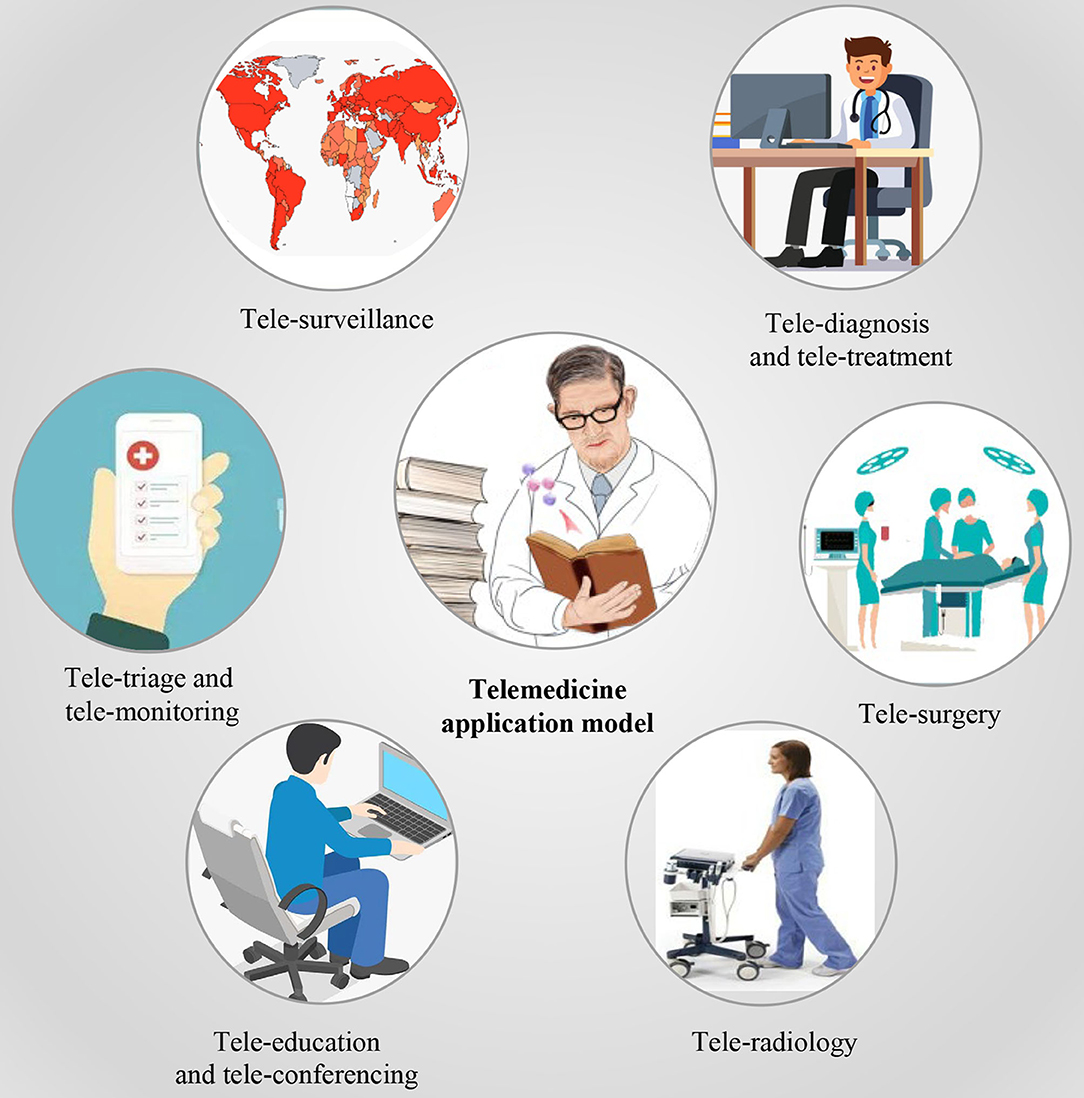
The year 2020 marked a significant turning point in the global healthcare landscape, as the COVID-19 pandemic accelerated the adoption of digital technologies such as telemedicine.
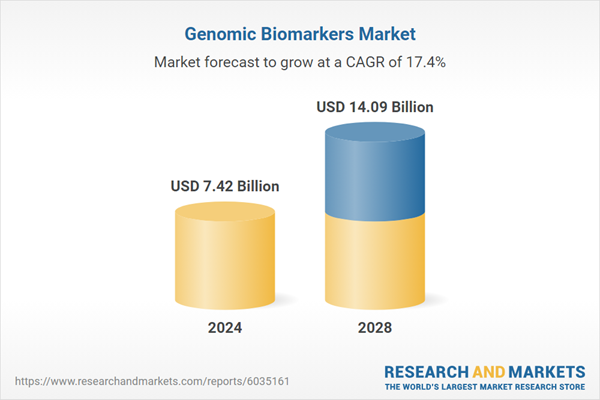
The genomic biomarkers market is witnessing a significant surge, driven by the burgeoning demand for personalized medicine. According to the latest report, the market is projected to grow to $14.09 billion by 2028, marking a compound annual growth rate (CAGR) of 17.4%. This approach not only optimizes treatment effectiveness but also minimizes side effects, making it a cornerstone of modern healthcare.