





Humanity at the Crossroads: Ethical Implications of AI in Medicine

The integration of artificial intelligence (AI) in healthcare has ushered in a new era of medical advancements, but not without raising significant ethical concerns. As AI systems become more prevalent in fields like radiology, emergency medicine, and telehealth, the challenge lies in addressing fundamental issues such as patient consent, data privacy, and implicit biases that these technologies often overlook.

Unraveling the Bias in Algorithms

AI’s promise in healthcare is undeniable, with its ability to uncover hidden disease patterns and predict illnesses. However, the reliance on historical data can exacerbate existing biases, particularly affecting marginalized communities such as the LGBTQIA+ and certain ethnic and racial groups. As highlighted in the article, addressing these biases during the initial implementation phase is crucial to enhancing outcomes more effectively than traditional methods.

Despite the importance of this issue, a study by du Toit et al. revealed that many peer-reviewed articles fail to address algorithm biases adequately. Out of 63 articles on hypertension, none tackled the bias issue, underscoring the need for healthcare and AI professionals to develop stringent measures to identify and rectify such biases.

Empowering Patients Through Informed Consent

Patient autonomy remains a cornerstone of medical ethics, especially in the AI era. Older patients with multiple chronic conditions often express skepticism toward AI-based modalities. An ethical AI system must ensure that these patients are informed about the benefits and have the option to opt out. Transparency in this process fosters trust and addresses concerns about data security and privacy.

Responsible Deployment of AI Technologies

Regulatory bodies like the U.S. Food and Drug Administration (FDA) play a pivotal role in the ethical deployment of AI in healthcare. Establishing comprehensive guidelines and conducting frequent assessments are essential to maintaining transparency and accountability. The article emphasizes the need for a dynamic regulatory framework to prevent AI misuse and ensure patient welfare.

Liability Concerns and AI Hallucinations

Liability concerns present a complex challenge in the event of adverse outcomes. While physicians hold primary responsibility for AI technology selection, manufacturers must also ensure product safety and efficacy. The emergence of AI-specific liability insurance offers a novel solution to managing malpractice claims.

Moreover, healthcare providers must address AI hallucinations—AI-generated misinformation not based on real data. Recognizing the limitations of AI and its inability to replace personalized care is crucial.

Emotions and the Ethical Use of AI in Healthcare

AI’s impact on patient emotions is significant. The introduction of AI-powered diagnostic tools can lead to increased patient distress if not communicated empathetically. Ensuring equity and fairness in AI algorithms is imperative to prevent biases that affect emotional well-being.

Preserving the empathetic human connection in an AI-driven healthcare landscape is paramount. While AI can streamline tasks, it cannot replace the irreplaceable role of human healthcare practitioners in addressing emotional needs.

As AI continues to transform healthcare, it is vital to prioritize ethical considerations. By actively engaging in ethical discussions, the healthcare industry can harness AI’s full potential to improve patient outcomes while upholding the values of medicine.

Dr. Dhillon Dr. Grewal Dr. Buddhavarapu Mr. Virmani Dr. Surani Dr. Kashyap

More Articles

Getting licensed or staying ahead in your career can be a journey—but it doesn’t have to be overwhelming. Grab your favorite coffee or tea, take a moment to relax, and browse through our articles. Whether you’re just starting out or renewing your expertise, we’ve got tips, insights, and advice to keep you moving forward. Here’s to your success—one sip and one step at a time!

Revolutionizing Radiology: AI’s Impact on Diagnostics

AI-powered tools are enhancing the speed and accuracy of diagnoses, significantly benefiting patient outcomes, especially in resource-constrained environments.

By |November 26, 2024|Categories: Article, Artificial Intelligence, Healthcare|Tags: |0 Comments

Exploring the Shifting Landscape of Real Estate in 2024

The real estate market is undergoing significant transformations as we step into 2024, with several trends reshaping the industry. This analysis delves into the top nine trends that are expected to impact the real estate sector this year.

By |November 26, 2024|Categories: Article, Market Trends, Real Estate|Tags: , |0 Comments

AI Revolutionizing Clinical and Molecular Diagnostics

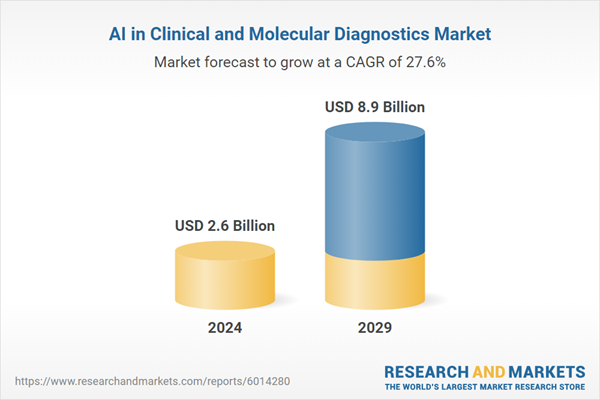
In a groundbreaking development, the market for AI in clinical and molecular diagnostics is set to experience a phenomenal growth trajectory, projected to skyrocket from USD 2.6 billion in 2024 to USD 8.9 billion by 2029 with a robust CAGR of 27.6%.

2025 Banking and Capital Markets Outlook: Navigating Low-Growth Challenges

The overarching goal for banks will be to adapt adeptly to macroeconomic shifts and regulatory implementations such as the Basel III Endgame re-proposal, which calls for strategic recalibration to ensure compliance without sacrificing growth.

CRISPR Technology Market Poised for Remarkable Growth to USD 12,461 Million by 2031

The CRISPR technology market, valued at USD 3,642.1 million in 2024, is anticipated to soar to USD 12,461 million by 2031, marking a robust CAGR of 19.2%.

By |November 25, 2024|Categories: Article, Biotechnology, Healthcare|Tags: , |0 Comments

Mortgage Rates Rise: A Window for Buyers Amid a Cloudy Future

Mortgage rates are climbing, with the 30-year fixed mortgage rate now at 6.64% and the 15-year fixed rate at 5.98%. This increase suggests a challenging landscape for potential refinancing, but a possible opportunity for homebuyers as competition wanes during the holiday season.


By |November 24, 2024|Categories: Article, Finance, Real Estate|Tags: , |0 Comments