Hurricane Helene’s Impact on the Southeast: A Real Estate Perspective

Hurricane helene impact

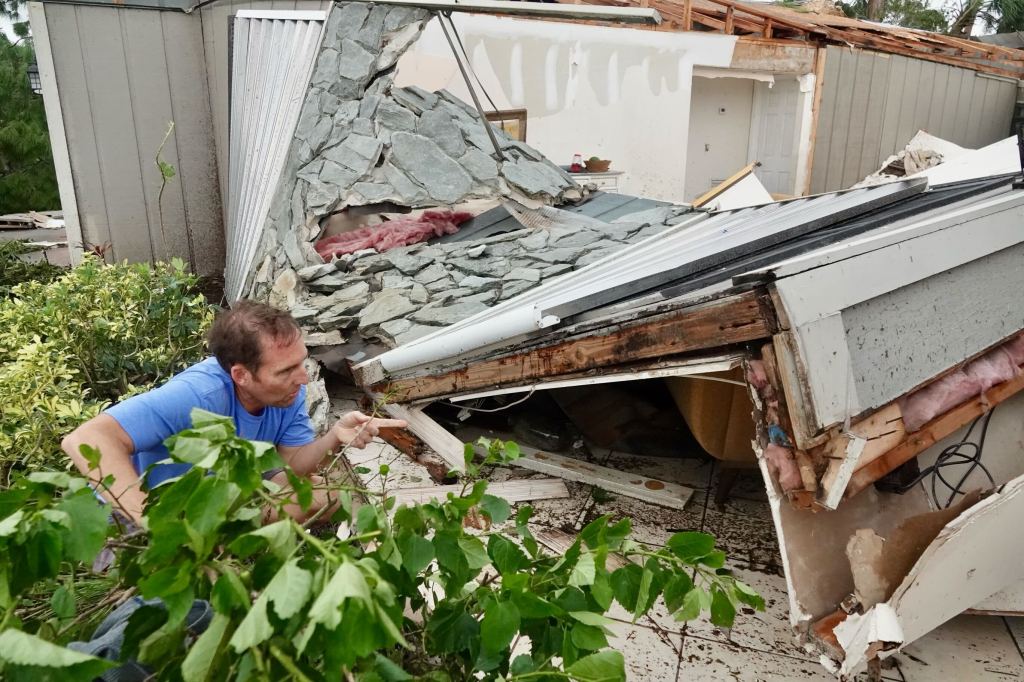
As hurricane season descends upon the Southeast, residents are grappling with the aftermath of Hurricane Helene. This formidable storm made landfall as a Category 4 hurricane, with wind speeds reaching an alarming 140 mph, before it was downgraded to a tropical storm. The initial impact was felt in Florida’s Big Bend area, near Tallahassee, as Helene unleashed its fury on Thursday night.

By Friday morning, Helene had moved into northeast Georgia, near the South Carolina border, with sustained winds of 45 mph, according to the National Hurricane Center. In response to the devastation, Florida Governor Ron DeSantis declared a state of emergency for 41 of the state’s 67 counties.

Fatalities and Damage

The human toll has been tragic. Georgia Governor Brian Kemp reported at least 11 fatalities in the state, with numerous residents trapped in their homes. Additional deaths were confirmed in Florida, North Carolina, and South Carolina, bringing the total to at least 17 lives lost.

The full extent of the damage is yet to be determined, but it is expected to be substantial. CoreLogic estimates that 25,000 homes along Florida’s Gulf Coast are at risk of flooding, with potential financial losses reaching $5.6 billion. Meanwhile, Moody’s projects that 162,000 commercial properties, valued at a staggering $425 billion, face significant wind damage risks.

Insurance Challenges

Florida homeowners are already contending with rising insurance premiums, exacerbated by the storm’s impact. According to a report by S&P Global, insurance rates in Florida surged by 43% between 2018 and 2023, with residents paying nearly $6,000 annually—more than triple the national average.

Despite the high recovery costs, Mark Friedlander of the Insurance Information Institute remains optimistic. He believes insurers are well-prepared to handle claims related to Helene, thanks to adequate levels of reinsurance and recent legislative reforms that have bolstered their financial positions.

Legislative Reforms

Florida lawmakers have enacted reforms aimed at reducing property insurance premiums by $500 million statewide. These measures include eliminating certain taxes and fees on policies and allocating $200 million for home reinforcement grants, prioritizing low-income and senior households. Additionally, a pilot program has been established for condominium associations to apply for mitigation grants.

The Wall Street Journal highlights that home insurance expenses are influenced by population growth patterns, with South Carolina, Florida, and Texas being the fastest-growing states, making them more susceptible to natural disasters.

For more detailed insights, you can read the original article on HousingWire.

More Articles

Getting licensed or staying ahead in your career can be a journey—but it doesn’t have to be overwhelming. Grab your favorite coffee or tea, take a moment to relax, and browse through our articles. Whether you’re just starting out or renewing your expertise, we’ve got tips, insights, and advice to keep you moving forward. Here’s to your success—one sip and one step at a time!

Florida’s Property Insurance Crisis Reaches Breaking Point as Lawmakers Hit Pause

Florida now leads the nation in property insurance costs, with many homeowners paying more than $10,000 a year for shrinking coverage and higher deductibles. Despite nearly half of hurricane‑related claims ending with no payout and appeals failing over 90% of the time, state leaders say reforms “need more time to work.” With key relief bills stalled and real estate professionals feeling the shockwaves, experts warn that legislative inaction is deepening a crisis that threatens homeownership and the state’s economic stability.

A Time of Reckoning for Commercial Real Estate

Banks are finally calling in billions tied to troubled commercial real estate loans, pushing delinquency rates to historic highs and ending years of “extend and pretend.” With more than 12% of office loans now delinquent and $875 billion in commercial debt maturing in 2026, regional banks and property owners are facing mounting pressure. As valuations drop and refinancing becomes harder, experts warn that tighter lending standards and broader economic ripple effects are on the horizon—making strategic preparation essential for today’s real estate and finance professionals.

Florida Ends FIGA’s 1% Insurance Assessment Two Years Early

Florida policyholders are getting rare good news: the Florida Insurance Guaranty Association is ending its 1% emergency insurance assessment on October 1—two years ahead of schedule. The decision follows a calmer hurricane season, fewer insurer insolvencies, and growing market stability. The early termination is expected to save Floridians up to $650 million, with the average homeowner seeing about $31 in annual savings. This marks another milestone in the state’s insurance market recovery after major legislative reforms in 2022 and 2023.

The Moment Real Estate Realized AI Isn’t a Toy Anymore

The real estate industry has officially moved past its AI honeymoon phase. What began as a fun, optional tool has quietly become the backbone of how agents create content, communicate with clients, and market properties. But with that shift comes rising concern about authenticity, legal risks, and whether consumers will start questioning what they’re really paying agents for. As AI blends into everything from listing descriptions to client advice, professionals now face a new challenge: proving the human value behind the technology.

Commercial Real Estate Is Finally Turning Around: Why 2026 Could Be the Big Rebound Year

After years of volatility, industry analysts say commercial real estate may finally be on the verge of a major comeback. Investment activity is rising, leasing demand is strengthening, and key cities like Manhattan are leading a broader national recovery. With vacancy rates expected to drop and high‑quality buildings outperforming the rest, 2026 is shaping up to be the turning point investors and professionals have been waiting for.

Rising Costs and Slower Premium Growth Signal a Tougher 2026 for P/C Insurance

AM Best warns that the property and casualty insurance market is heading into a more challenging 2026 as premium growth slows, inflation drives up claims costs, and combined ratios rise. Despite a strong 2025, moderating rates, higher repair and construction expenses, and ongoing reserve deficiencies are pressuring profitability. While commercial lines and personal lines both feel the strain, the E&S market continues to expand as traditional carriers pull back. This shifting landscape highlights the need for insurance professionals to stay sharp, informed, and adaptable.