Hurricane Helene’s Impact on the Southeast: A Real Estate Perspective

Hurricane helene impact

As hurricane season descends upon the Southeast, residents are grappling with the aftermath of Hurricane Helene. This formidable storm made landfall as a Category 4 hurricane, with wind speeds reaching an alarming 140 mph, before it was downgraded to a tropical storm. The initial impact was felt in Florida’s Big Bend area, near Tallahassee, as Helene unleashed its fury on Thursday night.

By Friday morning, Helene had moved into northeast Georgia, near the South Carolina border, with sustained winds of 45 mph, according to the National Hurricane Center. In response to the devastation, Florida Governor Ron DeSantis declared a state of emergency for 41 of the state’s 67 counties.

Fatalities and Damage

The human toll has been tragic. Georgia Governor Brian Kemp reported at least 11 fatalities in the state, with numerous residents trapped in their homes. Additional deaths were confirmed in Florida, North Carolina, and South Carolina, bringing the total to at least 17 lives lost.

The full extent of the damage is yet to be determined, but it is expected to be substantial. CoreLogic estimates that 25,000 homes along Florida’s Gulf Coast are at risk of flooding, with potential financial losses reaching $5.6 billion. Meanwhile, Moody’s projects that 162,000 commercial properties, valued at a staggering $425 billion, face significant wind damage risks.

Insurance Challenges

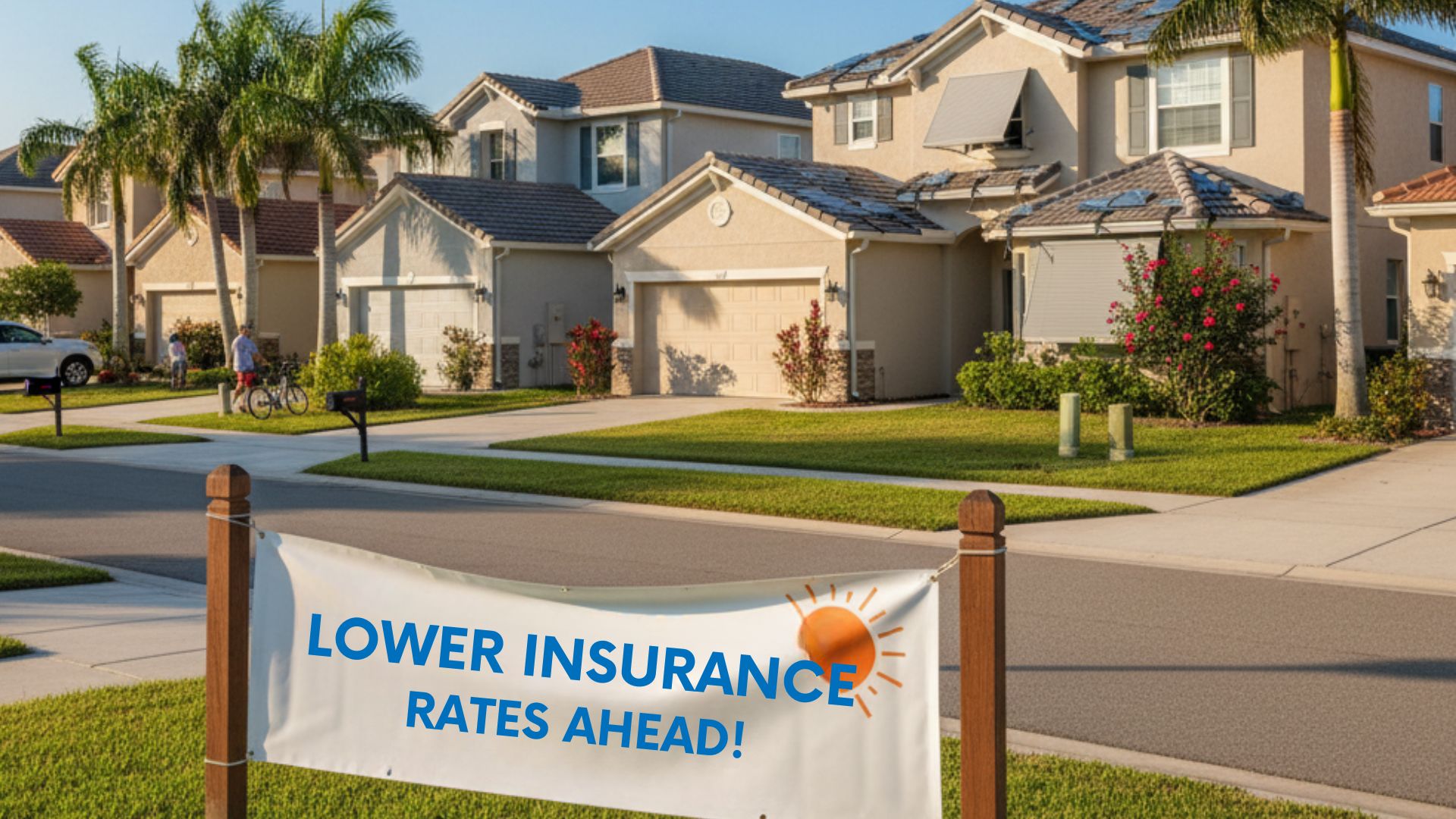
Florida homeowners are already contending with rising insurance premiums, exacerbated by the storm’s impact. According to a report by S&P Global, insurance rates in Florida surged by 43% between 2018 and 2023, with residents paying nearly $6,000 annually—more than triple the national average.

Despite the high recovery costs, Mark Friedlander of the Insurance Information Institute remains optimistic. He believes insurers are well-prepared to handle claims related to Helene, thanks to adequate levels of reinsurance and recent legislative reforms that have bolstered their financial positions.

Legislative Reforms

Florida lawmakers have enacted reforms aimed at reducing property insurance premiums by $500 million statewide. These measures include eliminating certain taxes and fees on policies and allocating $200 million for home reinforcement grants, prioritizing low-income and senior households. Additionally, a pilot program has been established for condominium associations to apply for mitigation grants.

The Wall Street Journal highlights that home insurance expenses are influenced by population growth patterns, with South Carolina, Florida, and Texas being the fastest-growing states, making them more susceptible to natural disasters.

For more detailed insights, you can read the original article on HousingWire.

More Articles

Getting licensed or staying ahead in your career can be a journey—but it doesn’t have to be overwhelming. Grab your favorite coffee or tea, take a moment to relax, and browse through our articles. Whether you’re just starting out or renewing your expertise, we’ve got tips, insights, and advice to keep you moving forward. Here’s to your success—one sip and one step at a time!

Florida Homeowners See Major Spring Insurance Savings as Market Finally Stabilizes

Florida homeowners are getting long‑awaited relief this spring as insurance premiums drop across the state, with some counties seeing reductions of up to 14 percent. After years of skyrocketing rates and insurer withdrawals, a series of legislative reforms has attracted new companies, reduced lawsuits, and restored competition—leading to lower costs for more than 330,000 Citizens policyholders and multiple private‑market rate cuts. This shift is boosting not only homeowners, but also Florida’s broader economy and real estate market, offering valuable insights for professionals in real estate, insurance, mortgage, and finance.

AI Listing Images Are Creating a New Trust Problem in Real Estate

Artificial intelligence has transformed real estate marketing by making it easy to generate polished, digitally enhanced listing photos. But as AI tools increasingly replace reality with idealized versions of homes, a new issue has emerged: housefishing. Buyers and renters are showing up to properties that look nothing like the online images, leading regulators to step in and require transparency. With laws like California’s newly enacted Assembly Bill 723, the industry is being pushed toward clearer labeling and ethical use of AI. As trust becomes a growing concern, real estate professionals must balance innovation with accuracy to stay compliant and credible.

Massachusetts Moves to Strengthen Fair Housing Training for Real Estate Agents

Massachusetts has unanimously advanced bill S.2947, a major push to curb housing discrimination by expanding fair housing education requirements for real estate agents. The proposal increases training hours for both current and future licensees and doubles penalties for violations, marking a significant shift toward stronger consumer protections and higher professional standards across the state’s housing market.

How Rising Energy Costs Are Quietly Reshaping the Hudson Valley Real Estate Market

Energy costs have moved from a background expense to a major force influencing affordability, property values, and development across the Hudson Valley. Aging housing stock, grid constraints, and rising utility bills are reshaping both residential and commercial real estate decisions—rewarding energy‑efficient properties and pressuring households already struggling to balance essential expenses.

How AI Is Becoming the New Power Tool for Real Estate Professionals

AI is transforming the daily workflow of real estate pros by speeding up marketing, simplifying client communication, and sharpening pricing strategies. As highlighted in an NBC 6 feature, agents are using AI to draft listing descriptions, generate social media content, organize inquiries, and analyze market data in minutes. Whether you're new to the industry or an experienced agent, AI is quickly becoming an essential tool for working smarter and staying competitive.

14-Hour CE Renewal for Florida Real Estate: Choose Your Learning Style