Hurricane Helene’s Impact on the Southeast: A Real Estate Perspective

Hurricane helene impact

As hurricane season descends upon the Southeast, residents are grappling with the aftermath of Hurricane Helene. This formidable storm made landfall as a Category 4 hurricane, with wind speeds reaching an alarming 140 mph, before it was downgraded to a tropical storm. The initial impact was felt in Florida’s Big Bend area, near Tallahassee, as Helene unleashed its fury on Thursday night.

By Friday morning, Helene had moved into northeast Georgia, near the South Carolina border, with sustained winds of 45 mph, according to the National Hurricane Center. In response to the devastation, Florida Governor Ron DeSantis declared a state of emergency for 41 of the state’s 67 counties.

Fatalities and Damage

The human toll has been tragic. Georgia Governor Brian Kemp reported at least 11 fatalities in the state, with numerous residents trapped in their homes. Additional deaths were confirmed in Florida, North Carolina, and South Carolina, bringing the total to at least 17 lives lost.

The full extent of the damage is yet to be determined, but it is expected to be substantial. CoreLogic estimates that 25,000 homes along Florida’s Gulf Coast are at risk of flooding, with potential financial losses reaching $5.6 billion. Meanwhile, Moody’s projects that 162,000 commercial properties, valued at a staggering $425 billion, face significant wind damage risks.

Insurance Challenges

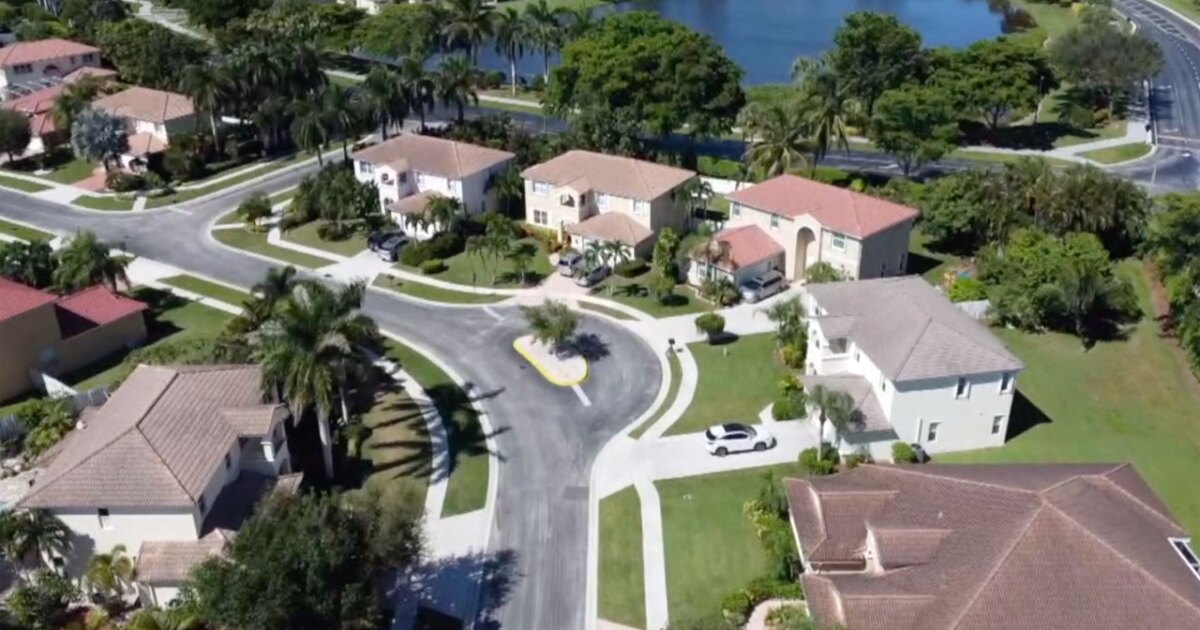
Florida homeowners are already contending with rising insurance premiums, exacerbated by the storm’s impact. According to a report by S&P Global, insurance rates in Florida surged by 43% between 2018 and 2023, with residents paying nearly $6,000 annually—more than triple the national average.

Despite the high recovery costs, Mark Friedlander of the Insurance Information Institute remains optimistic. He believes insurers are well-prepared to handle claims related to Helene, thanks to adequate levels of reinsurance and recent legislative reforms that have bolstered their financial positions.

Legislative Reforms

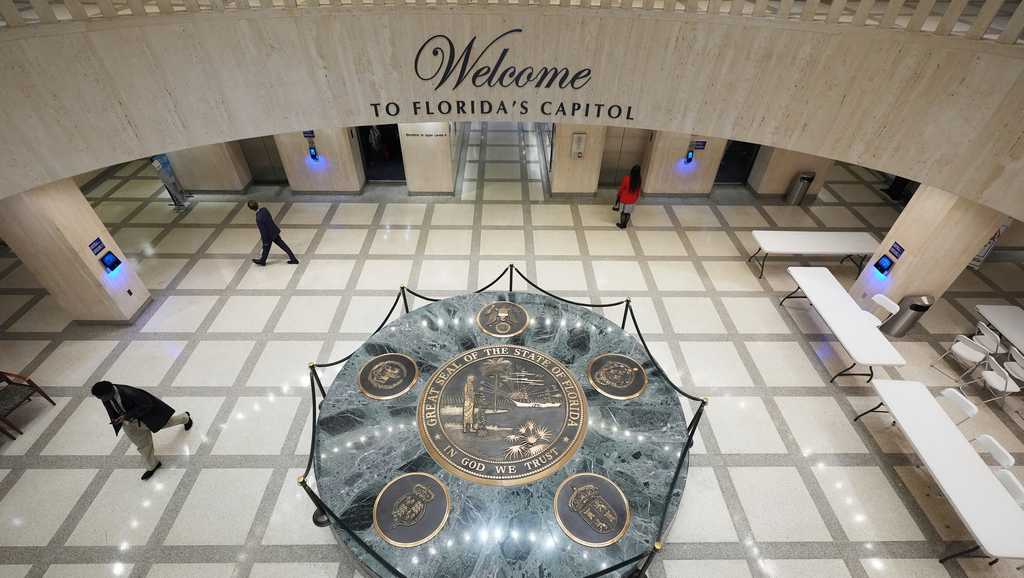
Florida lawmakers have enacted reforms aimed at reducing property insurance premiums by $500 million statewide. These measures include eliminating certain taxes and fees on policies and allocating $200 million for home reinforcement grants, prioritizing low-income and senior households. Additionally, a pilot program has been established for condominium associations to apply for mitigation grants.

The Wall Street Journal highlights that home insurance expenses are influenced by population growth patterns, with South Carolina, Florida, and Texas being the fastest-growing states, making them more susceptible to natural disasters.

For more detailed insights, you can read the original article on HousingWire.

More Articles

Getting licensed or staying ahead in your career can be a journey—but it doesn’t have to be overwhelming. Grab your favorite coffee or tea, take a moment to relax, and browse through our articles. Whether you’re just starting out or renewing your expertise, we’ve got tips, insights, and advice to keep you moving forward. Here’s to your success—one sip and one step at a time!

Florida’s Home Insurance Market Shows Strong Signs of Recovery in 2026

Florida’s home insurance market is experiencing a wave of optimism as recent litigation reforms lead to fewer lawsuits, stronger insurer stability, and even rate reductions. With companies like Florida Peninsula lowering premiums and 17 new insurers entering the state, real estate, mortgage, and insurance professionals can expect smoother transactions, increased buyer confidence, and a more competitive market environment in the year ahead.

Mortgage Rates Slide to Multi‑Year Lows as 2026 Housing Momentum Accelerates

Mortgage rates have dipped to levels not seen since 2022, with the 30‑year fixed averaging just 6.361% and Freddie Mac reporting an even lower 6.06%. The drop is reshaping buyer affordability, sparking renewed market activity, and creating fresh opportunities for real estate professionals—especially in fast‑moving markets like Florida.

Is 2026 Finally the Breakthrough Year for Homebuyers?

The 2026 housing market is shaping up to be one of the most pivotal in years, with mortgage rates showing slight relief, affordability shifting toward the Midwest and South, and buyers turning to options like ARMs and new‑construction homes. Early signals point to new opportunities for buyers, investors, and real‑estate professionals—especially those ready to navigate a market defined by moderate rate drops, regional affordability gaps, and builder‑driven incentives.

Ares Commercial Real Estate Insider Shake‑Up Raises Questions for Industry Professionals

Ares Commercial Real Estate CEO Bryan Donohoe sold US$107k in shares this week, trimming his stake by 13% and adding to a pattern of insider selling with no insider purchases in the past 12 months. With insider ownership sitting at a modest 1.6%, the activity signals a cautious tone inside the company—something real estate, mortgage, and finance professionals may want to watch as they assess broader market confidence.

Florida’s 2026 Legislative Session Kicks Off With Major Moves for Real Estate, Insurance, and Business Professionals

Florida’s 2026 legislative session is officially underway, launching a wave of high‑impact bills targeting property insurance reform, a proposal to eliminate property taxes, new education attendance requirements, and even an AI Bill of Rights. With over a hundred bills already filed, real estate agents, investors, insurers, educators, and other licensed professionals can expect significant regulatory shifts that may reshape Florida’s housing market, insurance costs, and professional compliance standards.

Warren Buffett’s 2026 Reminder: Conviction Beats Market Predictions

Warren Buffett’s timeless investing wisdom is more relevant than ever in 2026. Despite decades of market change, his core lesson remains the same: long‑term conviction outperforms short‑term prediction. From embracing occasional underperformance to avoiding emotional decisions, Buffett’s philosophy highlights why deep understanding and steady confidence are more valuable than trying to forecast market swings. This mindset isn’t just for investors—it’s a guiding principle for professionals looking to grow their careers with clarity and purpose.