Hurricane Insurance in Florida: What Homeowners Need to Know in 2026
Florida’s relationship with hurricane season is as old and complicated as the state itself. With storms like Idalia, Helene, and Milton leaving billions in damages across the region, Florida homeowners face one recurring question: Is my insurance truly strong enough to withstand the next big storm?
This article draws inspiration from the exceptional insurance reporting by Insurify — one of the most valuable resources homeowners can keep bookmarked. Their research exposes critical insights many Floridians don’t discover until it’s far too late.
Why Hurricane Insurance Matters More Than Ever
Florida remains the most expensive state in the nation for homeowners insurance. Between insurers withdrawing from the market, rising premiums, and unpredictable weather patterns, understanding your coverage has become a financial survival skill.
Quick Facts:
• Hurricane deductibles range from 1% to 15% of your home’s insured value.
• Coverage activates only when a storm is officially declared a hurricane.
• Flood insurance is not included in homeowners policies — yet only 4% of Americans carry it.
What Hurricane Insurance Actually Covers
Your policy is a three-part system: homeowners insurance, windstorm coverage, and flood insurance. Each protects against different forms of storm damage.
Rainwater flooding? Covered by flood insurance.
Wind-blown debris, broken shingles, shattered windows? Covered by homeowners insurance.
Storm surge flooding your home? Flood insurance takes over.
No single policy covers everything — meaning Floridians often need combined protections for complete safety.
The Reality of Hurricane Deductibles
Many homeowners are shocked to discover their hurricane deductible can cost tens of thousands of dollars before coverage even begins.
Example: A 5% deductible on a $300,000 home equals $15,000 out-of-pocket.
Important: You only pay the hurricane deductible once per calendar year — even if multiple hurricanes hit.
Why Flood Insurance is Essential
Flooding is both the most common and the most financially devastating effect of hurricanes. Yet millions remain uninsured.
With Florida’s average annual flood policy cost near $2,200, coverage can be the difference between recovery and financial ruin. NFIP policies remain common, while private insurers offer broader options.
Are You Covered Enough to Rebuild?
Rebuilding requires more than basic coverage. Reviewing your policy annually ensures you’re prepared.
• Dwelling coverage limits
• Replacement cost vs. actual cash value
• Valuable item endorsements
• Additional living expenses (ALE)
These determine how fast life returns to normal after disaster.
Steps to Update or Buy Hurricane Coverage
Experts suggest reviewing your policies well before the June 1 start of hurricane season:
1. Start early
2. Review existing coverage
3. Add endorsements
4. Ask about discounts
5. Compare quotes
6. Purchase separate flood insurance
Interactive FAQs
Is hurricane insurance required?
No. But mortgage lenders almost always require it.
How much does hurricane insurance cost in Florida?
No. Insurers typically issue moratoriums when a storm becomes imminent.
Why This Matters for Florida Professionals
Whether you’re entering real estate, insurance, or mortgage fields, knowledge of hurricane insurance is essential. It shapes property decisions, market valuations, and client protection strategies.
At Cameron Academy, these storm-related risks form a core part of our real estate and insurance licensing education — because in Florida, staying ahead means staying informed.
Special Thanks to Our Source
This article builds on the in-depth research of Insurify. Their team’s commitment to clarity and consumer protection makes them a must-visit resource for anyone evaluating storm coverage options.
Before hurricane season approaches, their tools and guides are absolutely worth exploring.
Getting licensed or staying ahead in your career can be a journey—but it doesn’t have to be overwhelming. Grab your favorite coffee or tea, take a moment to relax, and browse through our articles. Whether you’re just starting out or renewing your expertise, we’ve got tips, insights, and advice to keep you moving forward. Here’s to your success—one sip and one step at a time!
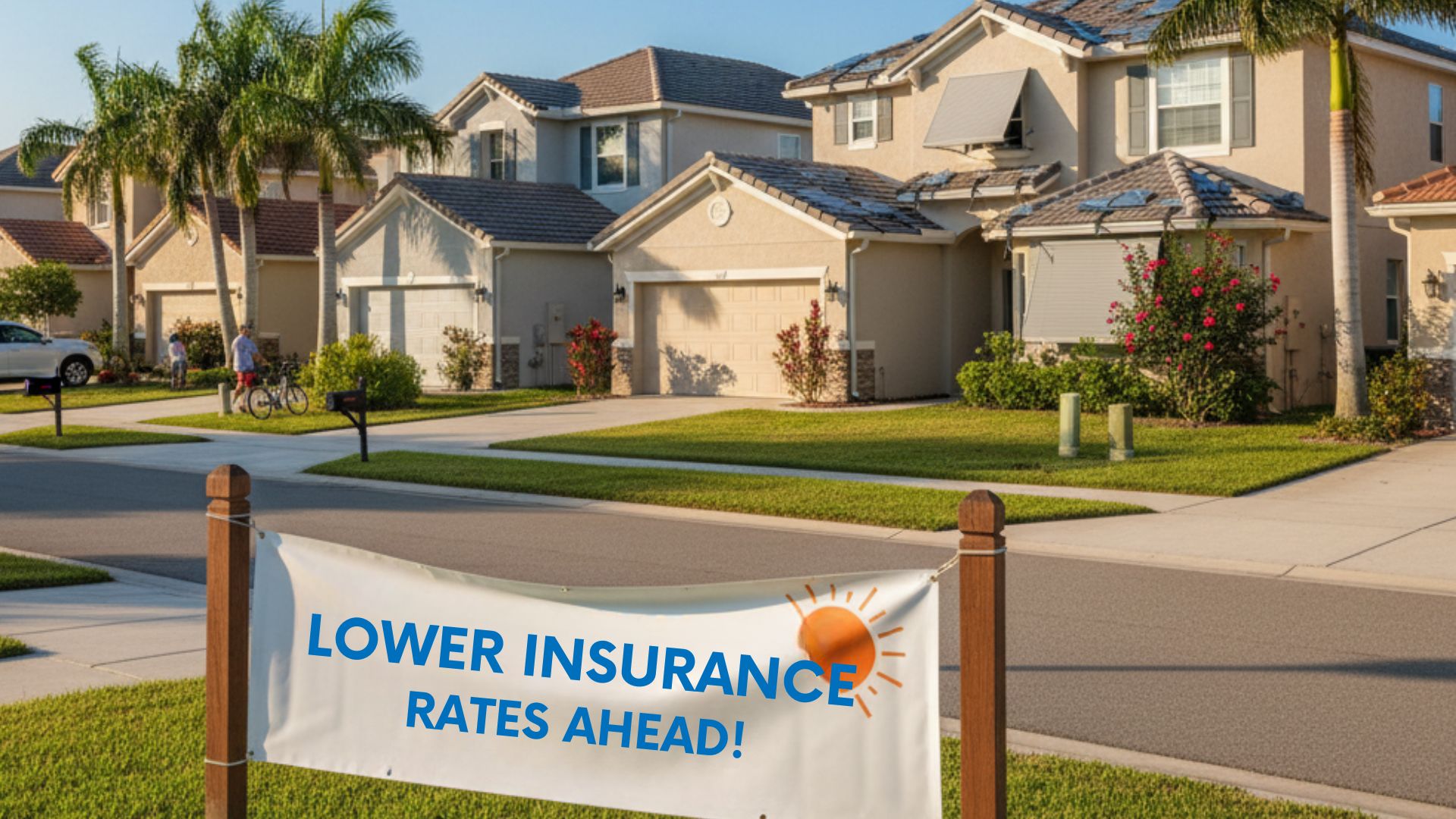
Florida homeowners are getting long‑awaited relief this spring as insurance premiums drop across the state, with some counties seeing reductions of up to 14 percent. After years of skyrocketing rates and insurer withdrawals, a series of legislative reforms has attracted new companies, reduced lawsuits, and restored competition—leading to lower costs for more than 330,000 Citizens policyholders and multiple private‑market rate cuts. This shift is boosting not only homeowners, but also Florida’s broader economy and real estate market, offering valuable insights for professionals in real estate, insurance, mortgage, and finance.
Artificial intelligence has transformed real estate marketing by making it easy to generate polished, digitally enhanced listing photos. But as AI tools increasingly replace reality with idealized versions of homes, a new issue has emerged: housefishing. Buyers and renters are showing up to properties that look nothing like the online images, leading regulators to step in and require transparency. With laws like California’s newly enacted Assembly Bill 723, the industry is being pushed toward clearer labeling and ethical use of AI. As trust becomes a growing concern, real estate professionals must balance innovation with accuracy to stay compliant and credible.
Massachusetts has unanimously advanced bill S.2947, a major push to curb housing discrimination by expanding fair housing education requirements for real estate agents. The proposal increases training hours for both current and future licensees and doubles penalties for violations, marking a significant shift toward stronger consumer protections and higher professional standards across the state’s housing market.
Energy costs have moved from a background expense to a major force influencing affordability, property values, and development across the Hudson Valley. Aging housing stock, grid constraints, and rising utility bills are reshaping both residential and commercial real estate decisions—rewarding energy‑efficient properties and pressuring households already struggling to balance essential expenses.
AI is transforming the daily workflow of real estate pros by speeding up marketing, simplifying client communication, and sharpening pricing strategies. As highlighted in an NBC 6 feature, agents are using AI to draft listing descriptions, generate social media content, organize inquiries, and analyze market data in minutes. Whether you're new to the industry or an experienced agent, AI is quickly becoming an essential tool for working smarter and staying competitive.