Hurricane Insurance in Florida: What Homeowners Need to Know in 2026
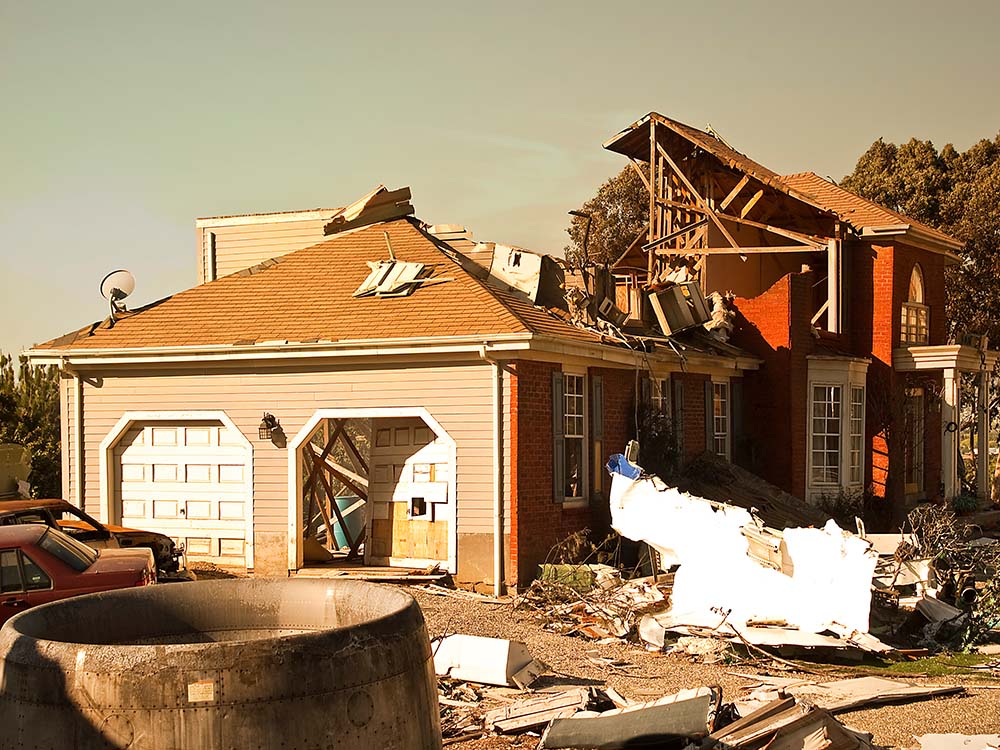
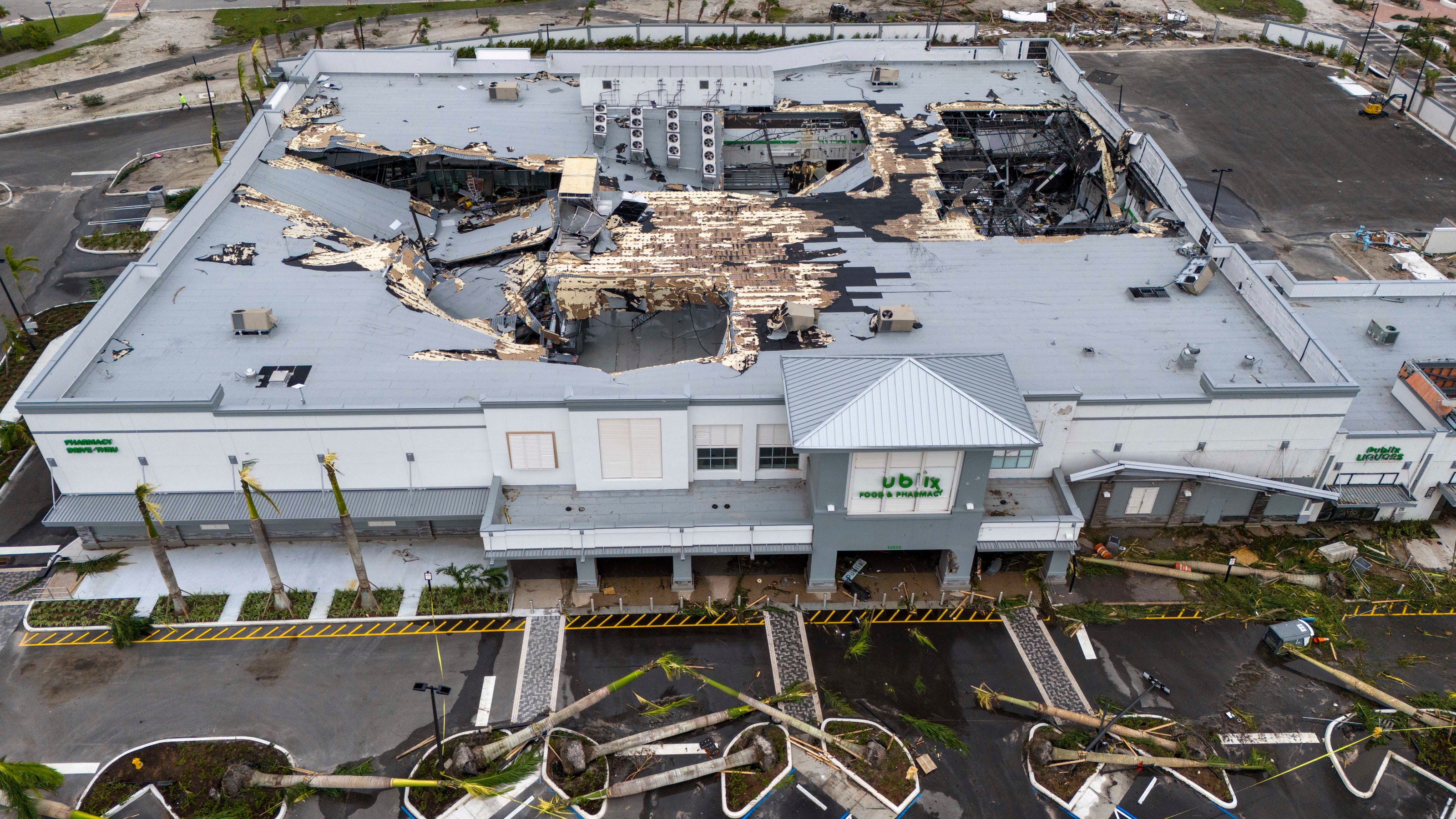
Florida’s relationship with hurricane season is as old and complicated as the state itself. With storms like Idalia, Helene, and Milton leaving billions in damages across the region, Florida homeowners face one recurring question: Is my insurance truly strong enough to withstand the next big storm?
This article draws inspiration from the exceptional insurance reporting by Insurify — one of the most valuable resources homeowners can keep bookmarked. Their research exposes critical insights many Floridians don’t discover until it’s far too late.
Why Hurricane Insurance Matters More Than Ever
Florida remains the most expensive state in the nation for homeowners insurance. Between insurers withdrawing from the market, rising premiums, and unpredictable weather patterns, understanding your coverage has become a financial survival skill.
Quick Facts:
• Hurricane deductibles range from 1% to 15% of your home’s insured value.
• Coverage activates only when a storm is officially declared a hurricane.
• Flood insurance is not included in homeowners policies — yet only 4% of Americans carry it.
What Hurricane Insurance Actually Covers
Your policy is a three-part system: homeowners insurance, windstorm coverage, and flood insurance. Each protects against different forms of storm damage.
Rainwater flooding? Covered by flood insurance.
Wind-blown debris, broken shingles, shattered windows? Covered by homeowners insurance.
Storm surge flooding your home? Flood insurance takes over.
No single policy covers everything — meaning Floridians often need combined protections for complete safety.
The Reality of Hurricane Deductibles
Many homeowners are shocked to discover their hurricane deductible can cost tens of thousands of dollars before coverage even begins.
Example: A 5% deductible on a $300,000 home equals $15,000 out-of-pocket.
Important: You only pay the hurricane deductible once per calendar year — even if multiple hurricanes hit.
Why Flood Insurance is Essential
Flooding is both the most common and the most financially devastating effect of hurricanes. Yet millions remain uninsured.
With Florida’s average annual flood policy cost near $2,200, coverage can be the difference between recovery and financial ruin. NFIP policies remain common, while private insurers offer broader options.
Are You Covered Enough to Rebuild?
Rebuilding requires more than basic coverage. Reviewing your policy annually ensures you’re prepared.
• Dwelling coverage limits
• Replacement cost vs. actual cash value
• Valuable item endorsements
• Additional living expenses (ALE)
These determine how fast life returns to normal after disaster.
Steps to Update or Buy Hurricane Coverage
Experts suggest reviewing your policies well before the June 1 start of hurricane season:
1. Start early
2. Review existing coverage
3. Add endorsements
4. Ask about discounts
5. Compare quotes
6. Purchase separate flood insurance
Interactive FAQs
Is hurricane insurance required?
No. But mortgage lenders almost always require it.
How much does hurricane insurance cost in Florida?
No. Insurers typically issue moratoriums when a storm becomes imminent.
Why This Matters for Florida Professionals
Whether you’re entering real estate, insurance, or mortgage fields, knowledge of hurricane insurance is essential. It shapes property decisions, market valuations, and client protection strategies.
At Cameron Academy, these storm-related risks form a core part of our real estate and insurance licensing education — because in Florida, staying ahead means staying informed.
Special Thanks to Our Source
This article builds on the in-depth research of Insurify. Their team’s commitment to clarity and consumer protection makes them a must-visit resource for anyone evaluating storm coverage options.
Before hurricane season approaches, their tools and guides are absolutely worth exploring.
More Articles
Getting licensed or staying ahead in your career can be a journey—but it doesn’t have to be overwhelming. Grab your favorite coffee or tea, take a moment to relax, and browse through our articles. Whether you’re just starting out or renewing your expertise, we’ve got tips, insights, and advice to keep you moving forward. Here’s to your success—one sip and one step at a time!
Florida homeowners — especially in hard‑hit South Florida — are set to see rare and substantial reductions in their property insurance premiums. Gov. Ron DeSantis announced an average statewide Citizens Insurance decrease of 8.7%, with even larger savings of up to 14% in counties like Miami-Dade, Broward, and Palm Beach. State officials credit recent legal and regulatory reforms for stabilizing the market, attracting new insurers, and delivering the first meaningful rate relief Floridians have seen in years.
Tampa’s commercial real estate market isn’t slowing—it’s maturing. With strong population growth, rising office demand, a normalized industrial sector, resurgent retail, and an emerging health‑care real estate boom, investors are shifting from speed to strategy. Tighter underwriting, cautious capital and increased due‑diligence are shaping a more disciplined market, creating new opportunities for informed professionals.
Florida homeowners are finally seeing relief as Citizens Property Insurance announces a major 8.7% average rate decrease—far larger than originally proposed. Driven by legislative reforms, fewer lawsuits, and a calm hurricane season, the state’s once‑unstable insurance market is showing real signs of recovery. But with reduced coverage limits and shifting legal protections, experts warn that lower premiums may come with hidden trade‑offs.
After a decade of rising premiums and retreating carriers, Florida homeowners are finally seeing long‑awaited relief. Dozens of insurers have filed for rate decreases—some as high as 11%—thanks to legislative reforms and a stabilizing market. Early approvals are already hitting counties across the state, and experts say the momentum could boost buyer confidence, affordability, and competition throughout Florida’s real estate and insurance sectors.
After years of slowed activity caused by rising interest rates, the self‑storage industry is heating up again. New data from Marcus & Millichap shows a fresh market cycle emerging, driven by renewed buyer confidence, recalibrated pricing, and stronger lender participation. Acquisitions are rebounding, development is resetting in a healthier direction, and financing conditions are improving—creating one of the most promising investment landscapes the sector has seen in years.
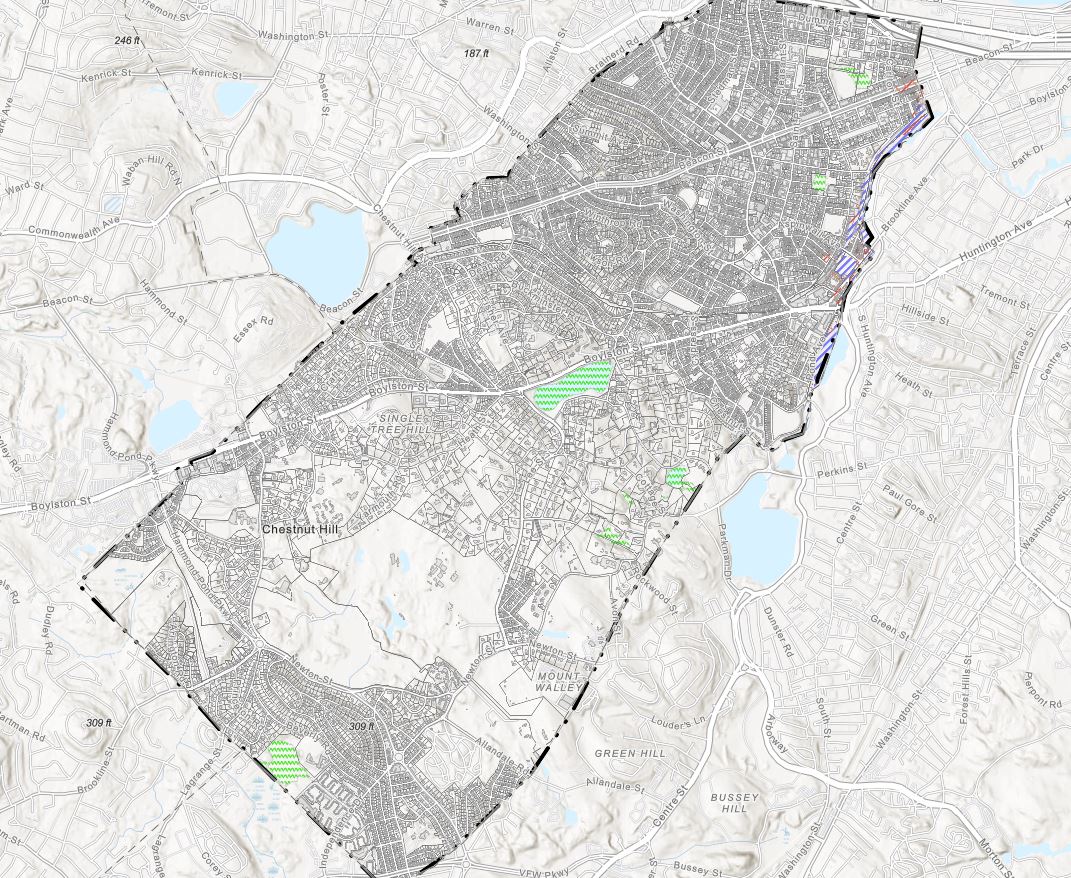
Brookline’s newly updated FEMA flood maps identify 97 high‑risk parcels, but local experts warn the true threat is far greater. While FEMA highlights river‑based flooding around Leverett Pond and the Muddy River, alternative models show more than 1,300 Brookline properties at risk within 30 years. Hidden vulnerabilities along major corridors like Beacon Street, rising rainfall intensity, aging infrastructure, and climate‑driven storm patterns suggest that many “low‑risk” areas may be anything but safe.