Hurricane Insurance in Florida: What Homeowners Need to Know in 2026
Florida’s relationship with hurricane season is as old and complicated as the state itself. With storms like Idalia, Helene, and Milton leaving billions in damages across the region, Florida homeowners face one recurring question: Is my insurance truly strong enough to withstand the next big storm?
This article draws inspiration from the exceptional insurance reporting by Insurify — one of the most valuable resources homeowners can keep bookmarked. Their research exposes critical insights many Floridians don’t discover until it’s far too late.
Why Hurricane Insurance Matters More Than Ever
Florida remains the most expensive state in the nation for homeowners insurance. Between insurers withdrawing from the market, rising premiums, and unpredictable weather patterns, understanding your coverage has become a financial survival skill.
Quick Facts:
• Hurricane deductibles range from 1% to 15% of your home’s insured value.
• Coverage activates only when a storm is officially declared a hurricane.
• Flood insurance is not included in homeowners policies — yet only 4% of Americans carry it.
What Hurricane Insurance Actually Covers
Your policy is a three-part system: homeowners insurance, windstorm coverage, and flood insurance. Each protects against different forms of storm damage.
Rainwater flooding? Covered by flood insurance.
Wind-blown debris, broken shingles, shattered windows? Covered by homeowners insurance.
Storm surge flooding your home? Flood insurance takes over.
No single policy covers everything — meaning Floridians often need combined protections for complete safety.
The Reality of Hurricane Deductibles
Many homeowners are shocked to discover their hurricane deductible can cost tens of thousands of dollars before coverage even begins.
Example: A 5% deductible on a $300,000 home equals $15,000 out-of-pocket.
Important: You only pay the hurricane deductible once per calendar year — even if multiple hurricanes hit.
Why Flood Insurance is Essential
Flooding is both the most common and the most financially devastating effect of hurricanes. Yet millions remain uninsured.
With Florida’s average annual flood policy cost near $2,200, coverage can be the difference between recovery and financial ruin. NFIP policies remain common, while private insurers offer broader options.
Are You Covered Enough to Rebuild?
Rebuilding requires more than basic coverage. Reviewing your policy annually ensures you’re prepared.
• Dwelling coverage limits
• Replacement cost vs. actual cash value
• Valuable item endorsements
• Additional living expenses (ALE)
These determine how fast life returns to normal after disaster.
Steps to Update or Buy Hurricane Coverage
Experts suggest reviewing your policies well before the June 1 start of hurricane season:
1. Start early
2. Review existing coverage
3. Add endorsements
4. Ask about discounts
5. Compare quotes
6. Purchase separate flood insurance
Interactive FAQs
Is hurricane insurance required?
No. But mortgage lenders almost always require it.
How much does hurricane insurance cost in Florida?
No. Insurers typically issue moratoriums when a storm becomes imminent.
Why This Matters for Florida Professionals
Whether you’re entering real estate, insurance, or mortgage fields, knowledge of hurricane insurance is essential. It shapes property decisions, market valuations, and client protection strategies.
At Cameron Academy, these storm-related risks form a core part of our real estate and insurance licensing education — because in Florida, staying ahead means staying informed.
Special Thanks to Our Source
This article builds on the in-depth research of Insurify. Their team’s commitment to clarity and consumer protection makes them a must-visit resource for anyone evaluating storm coverage options.
Before hurricane season approaches, their tools and guides are absolutely worth exploring.
More Articles
Getting licensed or staying ahead in your career can be a journey—but it doesn’t have to be overwhelming. Grab your favorite coffee or tea, take a moment to relax, and browse through our articles. Whether you’re just starting out or renewing your expertise, we’ve got tips, insights, and advice to keep you moving forward. Here’s to your success—one sip and one step at a time!
A federal judge has denied class‑certification in the high‑stakes Batton commission lawsuit, delivering a temporary win for NAR and major brokerages while leaving the door open for plaintiffs to try again. With as much as $3.6 billion in potential damages on the line and nearly 80% of the proposed class now disqualified due to conflicts with earlier settlements, the case stands at a pivotal moment. Real estate professionals nationwide — especially in Florida — should watch closely, as the ruling could shape the future of buyer‑agent compensation.
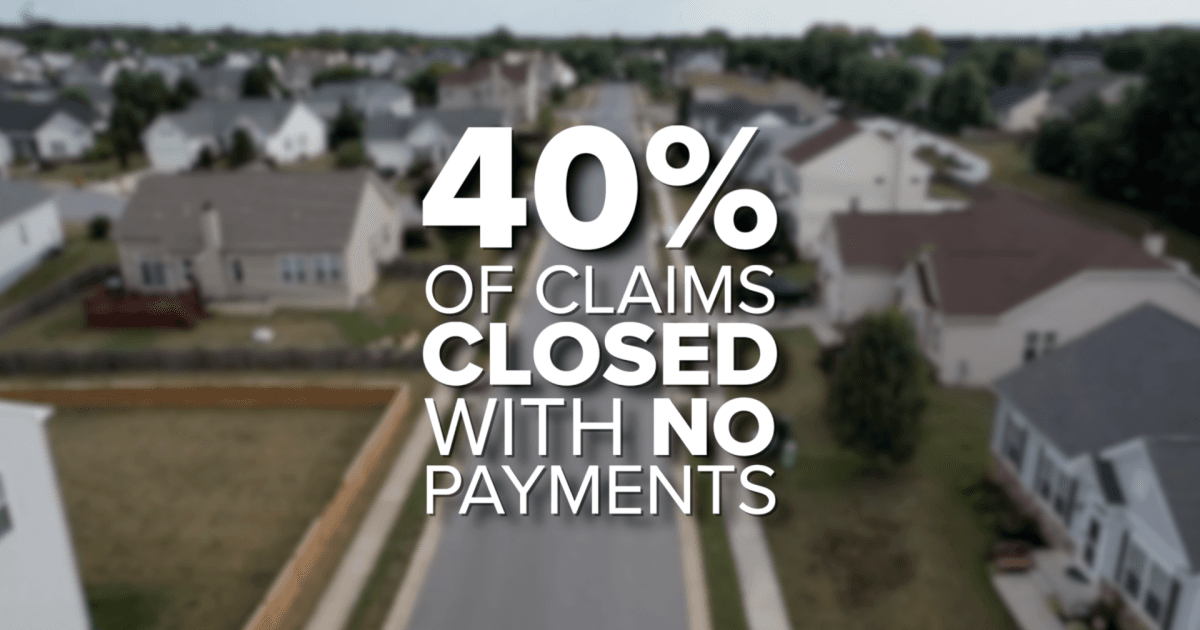
Florida homeowners are paying nearly double the national average for insurance, with premiums now reaching $5,838 a year and denied claims topping 40 percent. Residents report tripled rates, underpaid claims, and mounting financial strain, pushing lawmakers in Tallahassee to propose caps on rate hikes, tax breaks for storm‑proof upgrades, and tighter oversight of insurers. These developments are reshaping real estate and insurance conversations across the state as professionals brace for major industry shifts.
Berkshire County closed Q3 2025 with strong momentum as sales, dollar volume, and buyer competition all climbed year‑over‑year. Inventory showed slight improvement but remains far below demand, keeping the market tilted toward sellers. Single‑family homes and condos led the surge, while multifamily, land, and commercial sectors showed mixed performance. The region continues to stand out as one of New England’s most resilient real estate markets heading into 2026.
Florida homeowners now face the highest insurance burdens in the nation, with average premiums topping $5,800 per year—roughly $3,000 above the national average. As rates triple for some residents, more Floridians are skipping coverage altogether, while denied claims and slow payouts add to the frustration. With over 40 percent of claims closing with no payment and lawmakers battling over reform in Tallahassee, the crisis is reshaping budgets, homebuying decisions, and the real estate industry statewide.
Global capital is surging back into real estate—and this time, investors want more control. Colliers’ 2026 Global Investor Outlook reveals a major shift toward direct investments, joint ventures, and hands‑on strategies as money moves across North America, Europe, and the booming Asia‑Pacific markets. Data centers are now the top‑funded asset class, offices are staging a comeback, and adaptive reuse is reshaping cities worldwide. For real estate and finance professionals, the message is clear: opportunity is accelerating, and those with the right education and licensing will be at the center of the action.
The Fed’s recent rate cuts should have offered relief to commercial real estate—but long-term borrowing costs haven’t budged. While short‑term rates are falling, stubborn long‑term yields, broken deal math, and a trillion‑dollar refinancing wave are keeping the market frozen. For investors and professionals across Florida and the nation, understanding this disconnect is key to navigating the opportunities and risks emerging in today’s shifting CRE landscape.