Hurricane Milton Insurance Claim Deadline Nears What Florida Homeowners Need to Know

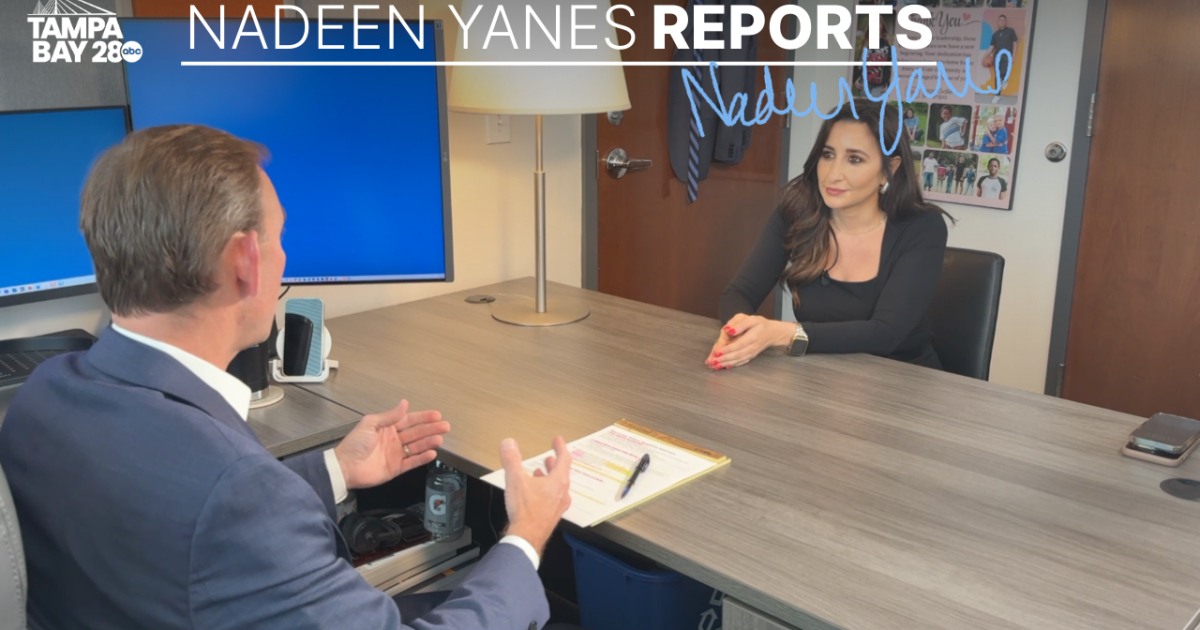
Nadeen yanes reporting on hurricane milton insurance claim deadline

Florida homeowners recovering from Hurricane Milton have an important deadline closing in. State law gives just 18 months to file or reopen supplemental insurance claims, and for Milton-related damage, that cutoff lands on April 9. With more than 385,000 claims already filed totaling more than 5.6 billion dollars in losses, experts warn that missing this deadline could lead to costly setbacks.

Attorney Warns Homeowners Not to Wait

Tampa insurance attorney David Murray shared with Tampa Bay 28 anchor Nadeen Yanes that waiting until construction is finished could put families at risk of losing benefits owed to them. He emphasized that many homeowners do not realize a claim can close before final rebuild costs surface.

Murray explained it clearly: If you’re in the process of building your home right now, and you wait until the end to submit your final contractor bill, the claim window may already be closed. Insurance companies can simply say the filing deadline has passed, leaving homeowners without the supplemental funds they expected.

His advice is simple: File your supplemental claim now if you expect any additional damage or expenses connected to Hurricane Milton.

Homeowners also retain a five-year window to file a lawsuit against their insurer, though this is separate from the supplemental claim deadline.

Why This Matters for Real Estate and Licensing Professionals

Understanding insurance timelines is more than a homeowner issue. In Florida’s real estate industry, knowing claim deadlines and reconstruction processes is critical for anyone advising buyers, sellers, or investors. At Cameron Academy, we train students on how post-disaster regulations, insurance reforms, and rebuilding cycles affect market conditions and property disclosures.

This real-world scenario is a perfect example of why licensing candidates benefit from a success-centered curriculum. Whether you are pursuing a real estate, mortgage, or insurance license, mastering how events like Hurricane Milton impact property transactions gives you a strong professional advantage.

Your Voice Matters

Tampa Bay 28 Anchor Nadeen Yanes continues to gather stories from homeowners navigating Florida’s insurance landscape. If you have experienced issues first-hand or have insights others can learn from, you can share your story directly through their newsroom form.

Federal Officials Monitor Middle East Threats

In related national coverage, federal agencies are monitoring potential threats linked to Middle East tensions. The FBI reports its counterterrorism teams are on standby as experts warn of possible sleeper cell activity, lone wolf attacks, and Iranian-led cyberattacks targeting U.S. systems. While not directly tied to Hurricane Milton, these developing issues reflect a broader climate of vigilance that homeowners, businesses, and industry professionals should remain aware of.

Full reporting is available through Tampa Bay 28 and Scripps Media.

Looking to Advance Your Professional License?

Whether you are entering the real estate field or expanding into mortgage, insurance, finance, or medical licensing, Cameron Academy offers flexible, career-focused training designed for today’s professionals. Stay informed, stay prepared, and elevate your future with expert-led courses built for success.

Explore Programs at Cameron Academy

More Articles

Getting licensed or staying ahead in your career can be a journey—but it doesn’t have to be overwhelming. Grab your favorite coffee or tea, take a moment to relax, and browse through our articles. Whether you’re just starting out or renewing your expertise, we’ve got tips, insights, and advice to keep you moving forward. Here’s to your success—one sip and one step at a time!

Florida Homeowners Finally Get a Break as Insurance Rates Begin to Drop

After years of soaring premiums and insurer instability, Florida’s property insurance market is finally turning a corner. Major carriers have filed 83 requests for rate decreases heading into 2026, with companies like Florida Peninsula and Patriot Select proposing cuts of 8.4% and 11.3%. Some homeowners may see relief as early as next month, signaling a long‑awaited shift toward market stability.

The Fix-and-Flip Comeback: Why 2026 Is Poised to Be a Breakout Year for Investors

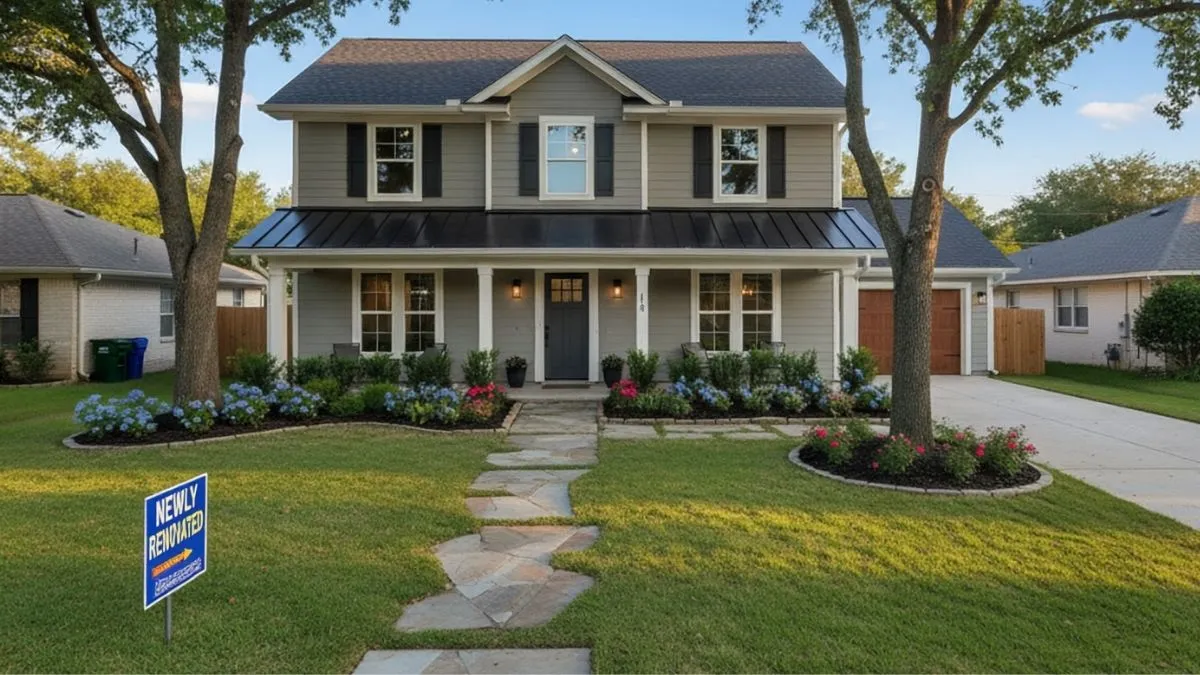
Fix-and-flip investing is gearing up for one of its strongest years in a decade as 2026 approaches. With cheaper capital, more accessible funding, easing interest rates, and long-awaited increases in housing inventory, investors are finding the perfect environment to launch or scale renovation-based real estate businesses. Renovation continues to outpace new construction in cost and speed, and demand for move-in-ready homes remains high, making 2026 a powerful opportunity window for both new and experienced investors.

Falling Rents Today, Rising Pressures Tomorrow: A 2026 Rental Squeeze Is on the Horizon

After a short-lived period of relief in 2025, the U.S. rental market may be headed for a tighter, more expensive 2026. With construction starts dropping nearly 11% and completions plunging 42%, the surge of new apartments that helped lower rents is rapidly drying up. Rising costs, shrinking inventory, and a slowdown in new development point to a potential rental crunch that could leave renters facing heavier competition and higher prices across major markets next year.

The Biggest Opportunity in Real Estate Since 2008

The commercial real estate market is entering a rare reset that experts say mirrors the post‑2008 boom, creating a potential window for disciplined investors. With trillions in commercial debt coming due and property values dropping up to 40%, firms like AARE are positioning themselves to acquire assets below replacement cost—an advantage that could set the stage for significant long‑term growth.

Six for 2026: The Commercial Real Estate Shifts Already Reshaping the U.S.

Commercial real estate is entering a reinvention phase, with AI‑driven productivity, modernized office demand, experience‑focused retail, expanding industrial logistics, creative housing solutions, and sustainability‑centered design all accelerating nationwide. These six forces are shaping how investors, brokers, and future licensees will operate in a rapidly evolving U.S. market.

2026 Becomes the Turning Point: Innovation, Stability, and Upward Mobility Return

After years of economic uncertainty and cautious decision‑making, 2026 is shaping up to be the year professionals finally catch a break. AI is moving from buzzword to essential tool, capital markets are beginning to thaw, and hiring is picking up across real estate, mortgage, insurance, finance, and healthcare. With opportunity returning, many professionals are using this moment to upskill—pursuing new licenses, certifications, and cross‑industry expertise.