Hurricane Milton Insurance Claim Deadline Nears What Florida Homeowners Need to Know

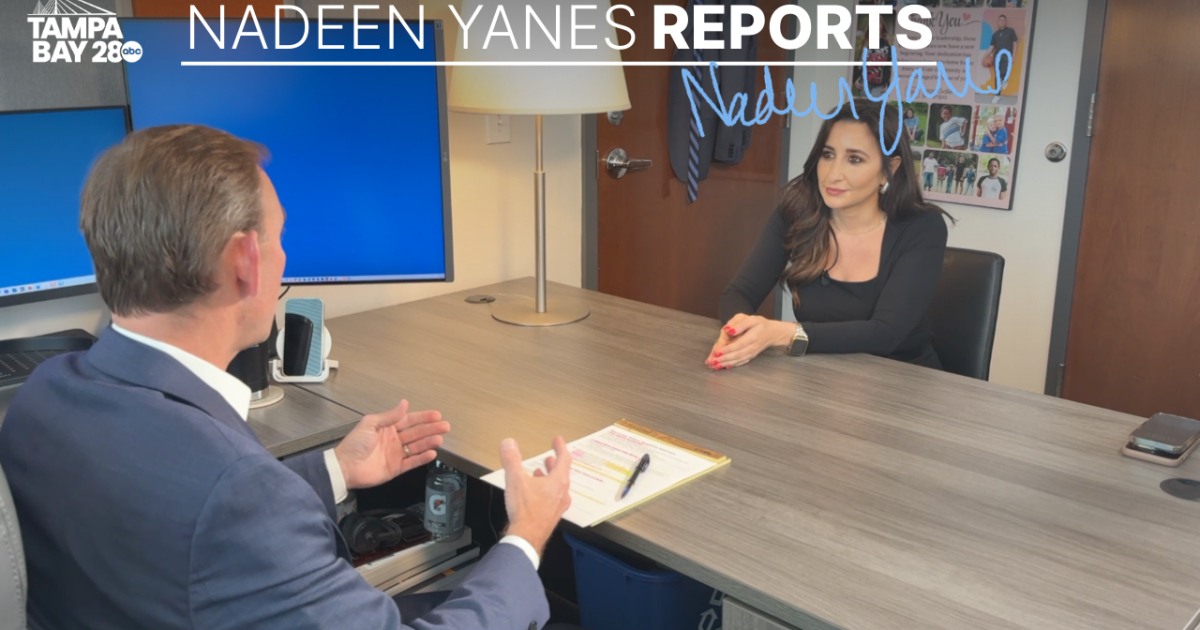
Nadeen yanes reporting on hurricane milton insurance claim deadline

Florida homeowners recovering from Hurricane Milton have an important deadline closing in. State law gives just 18 months to file or reopen supplemental insurance claims, and for Milton-related damage, that cutoff lands on April 9. With more than 385,000 claims already filed totaling more than 5.6 billion dollars in losses, experts warn that missing this deadline could lead to costly setbacks.

Attorney Warns Homeowners Not to Wait

Tampa insurance attorney David Murray shared with Tampa Bay 28 anchor Nadeen Yanes that waiting until construction is finished could put families at risk of losing benefits owed to them. He emphasized that many homeowners do not realize a claim can close before final rebuild costs surface.

Murray explained it clearly: If you’re in the process of building your home right now, and you wait until the end to submit your final contractor bill, the claim window may already be closed. Insurance companies can simply say the filing deadline has passed, leaving homeowners without the supplemental funds they expected.

His advice is simple: File your supplemental claim now if you expect any additional damage or expenses connected to Hurricane Milton.

Homeowners also retain a five-year window to file a lawsuit against their insurer, though this is separate from the supplemental claim deadline.

Why This Matters for Real Estate and Licensing Professionals

Understanding insurance timelines is more than a homeowner issue. In Florida’s real estate industry, knowing claim deadlines and reconstruction processes is critical for anyone advising buyers, sellers, or investors. At Cameron Academy, we train students on how post-disaster regulations, insurance reforms, and rebuilding cycles affect market conditions and property disclosures.

This real-world scenario is a perfect example of why licensing candidates benefit from a success-centered curriculum. Whether you are pursuing a real estate, mortgage, or insurance license, mastering how events like Hurricane Milton impact property transactions gives you a strong professional advantage.

Your Voice Matters

Tampa Bay 28 Anchor Nadeen Yanes continues to gather stories from homeowners navigating Florida’s insurance landscape. If you have experienced issues first-hand or have insights others can learn from, you can share your story directly through their newsroom form.

Federal Officials Monitor Middle East Threats

In related national coverage, federal agencies are monitoring potential threats linked to Middle East tensions. The FBI reports its counterterrorism teams are on standby as experts warn of possible sleeper cell activity, lone wolf attacks, and Iranian-led cyberattacks targeting U.S. systems. While not directly tied to Hurricane Milton, these developing issues reflect a broader climate of vigilance that homeowners, businesses, and industry professionals should remain aware of.

Full reporting is available through Tampa Bay 28 and Scripps Media.

Looking to Advance Your Professional License?

Whether you are entering the real estate field or expanding into mortgage, insurance, finance, or medical licensing, Cameron Academy offers flexible, career-focused training designed for today’s professionals. Stay informed, stay prepared, and elevate your future with expert-led courses built for success.

Explore Programs at Cameron Academy

More Articles

Getting licensed or staying ahead in your career can be a journey—but it doesn’t have to be overwhelming. Grab your favorite coffee or tea, take a moment to relax, and browse through our articles. Whether you’re just starting out or renewing your expertise, we’ve got tips, insights, and advice to keep you moving forward. Here’s to your success—one sip and one step at a time!

The Future of Commercial Real Estate: What 2030 Could Really Look Like

Commercial real estate is entering a decade of major transformation driven by interest rate pressures, evolving work culture, rapid proptech innovation, and growing demand for AI-focused infrastructure. While the global CRE market is projected to reach $133.5 trillion by 2028, rising rates, shifting office demand, and increasing sustainability requirements are reshaping how professionals invest, manage, and develop properties. By 2030, the biggest opportunities will center on mixed‑use conversions, data center growth, premium office spaces, and ESG‑driven upgrades.

NAR’s Antitrust Settlement Reshapes Real Estate: What Every Agent Needs to Know

The National Association of Realtors’ landmark antitrust settlement is transforming how real estate agents negotiate compensation, work with buyers, and handle transparency in transactions. With MLS‑posted buyer‑broker commissions eliminated and written buyer agreements now required, both consumers and professionals are navigating a new, more transparent landscape. While commission levels have only dipped slightly, the real shift is in how openly compensation is discussed and negotiated—creating new challenges and opportunities for agents who adapt quickly.

AI Supercharges Proptech in 2025: A Market Maturing at High Speed

Artificial intelligence is no longer a novelty in real estate — 2025 marks its breakthrough year as a dependable pillar of the proptech industry. With investors pouring capital into AI‑powered forecasting, security, automation, and property management tools, the sector is shifting from experimentation to full‑scale adoption. Brokerages, developers, and institutional players now rely on AI to streamline due diligence, enhance market modeling, reduce risk, and optimize building operations. As adoption accelerates, professionals who understand and leverage these technologies are gaining a decisive competitive edge in fast‑moving markets like Florida.

Too Many Cooks in the Kitchen? The 2026 Insurance Outlook Everyone’s Watching

A new episode of Current Account breaks down why the insurance industry is heading into 2026 with more uncertainty — and more opportunity — than ever. From shifting global regulations and rising catastrophe risks to FSOC’s evolving role in the U.S., industry leaders Jérôme Haegeli and Philippe Brahin explain how insurers are being pushed to rethink strategy in real time. With global premium growth expected to slow and regulatory pressures rising, professionals in insurance and financial services are turning to education and new skills to stay ahead in a rapidly changing market.

New Jersey’s Commercial Real Estate Boom: The Surprising Power Move Shaping 2026

New Jersey is quietly becoming one of the hottest commercial real estate markets in the nation, with Jersey City and North Jersey breaking into the top 10 in PwC’s 2026 Emerging Trends report. Fueled by redevelopment momentum, data‑center demand, mixed‑use transformations and a surge in health‑care projects, the state is drawing major investors while still battling rising construction costs and municipal fatigue. For real estate professionals, the Garden State’s evolution signals fresh opportunity—and a market worth watching closely heading into 2026.

NCOIL Challenges Trump’s AI Order, Warning of Major Impacts on Insurance Regulation

The National Council of Insurance Legislators is pushing back against President Trump’s new executive order on artificial intelligence, arguing that it threatens decades of state‑based insurance oversight. NCOIL leaders say federal attempts to centralize AI authority could disrupt markets, weaken consumer protections, and limit states’ ability to innovate—setting the stage for a significant legal and political battle with major implications for insurance professionals who rely on AI‑driven tools and regulatory clarity.