Hurricane Milton Insurance Claim Deadline Nears What Florida Homeowners Need to Know

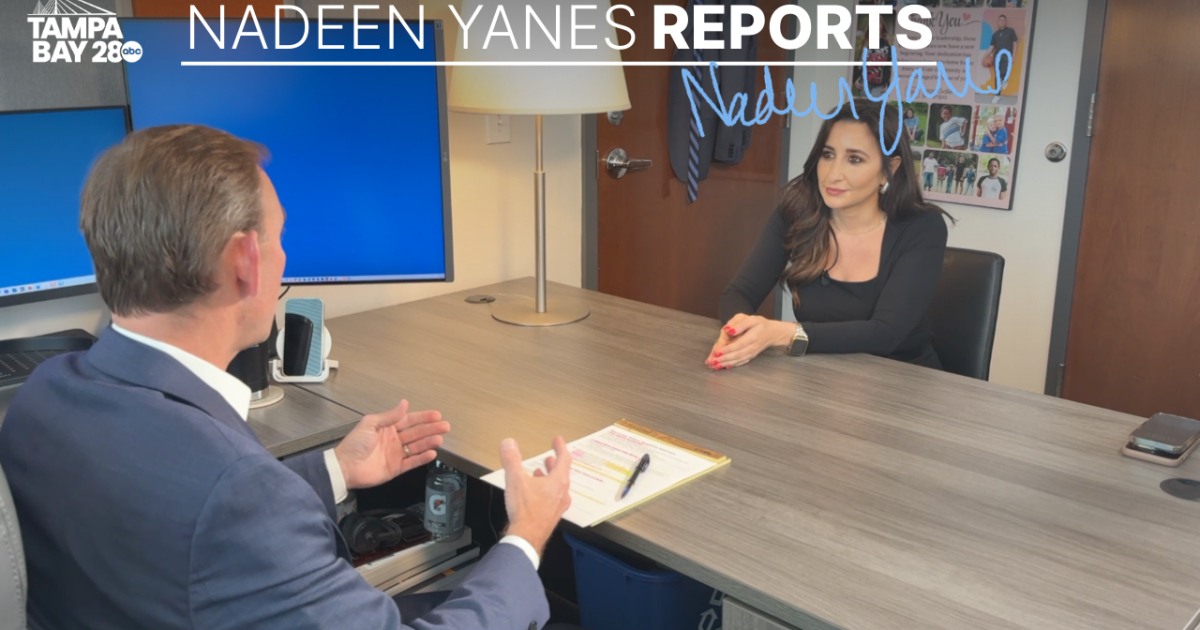
Nadeen yanes reporting on hurricane milton insurance claim deadline

Florida homeowners recovering from Hurricane Milton have an important deadline closing in. State law gives just 18 months to file or reopen supplemental insurance claims, and for Milton-related damage, that cutoff lands on April 9. With more than 385,000 claims already filed totaling more than 5.6 billion dollars in losses, experts warn that missing this deadline could lead to costly setbacks.

Attorney Warns Homeowners Not to Wait

Tampa insurance attorney David Murray shared with Tampa Bay 28 anchor Nadeen Yanes that waiting until construction is finished could put families at risk of losing benefits owed to them. He emphasized that many homeowners do not realize a claim can close before final rebuild costs surface.

Murray explained it clearly: If you’re in the process of building your home right now, and you wait until the end to submit your final contractor bill, the claim window may already be closed. Insurance companies can simply say the filing deadline has passed, leaving homeowners without the supplemental funds they expected.

His advice is simple: File your supplemental claim now if you expect any additional damage or expenses connected to Hurricane Milton.

Homeowners also retain a five-year window to file a lawsuit against their insurer, though this is separate from the supplemental claim deadline.

Why This Matters for Real Estate and Licensing Professionals

Understanding insurance timelines is more than a homeowner issue. In Florida’s real estate industry, knowing claim deadlines and reconstruction processes is critical for anyone advising buyers, sellers, or investors. At Cameron Academy, we train students on how post-disaster regulations, insurance reforms, and rebuilding cycles affect market conditions and property disclosures.

This real-world scenario is a perfect example of why licensing candidates benefit from a success-centered curriculum. Whether you are pursuing a real estate, mortgage, or insurance license, mastering how events like Hurricane Milton impact property transactions gives you a strong professional advantage.

Your Voice Matters

Tampa Bay 28 Anchor Nadeen Yanes continues to gather stories from homeowners navigating Florida’s insurance landscape. If you have experienced issues first-hand or have insights others can learn from, you can share your story directly through their newsroom form.

Federal Officials Monitor Middle East Threats

In related national coverage, federal agencies are monitoring potential threats linked to Middle East tensions. The FBI reports its counterterrorism teams are on standby as experts warn of possible sleeper cell activity, lone wolf attacks, and Iranian-led cyberattacks targeting U.S. systems. While not directly tied to Hurricane Milton, these developing issues reflect a broader climate of vigilance that homeowners, businesses, and industry professionals should remain aware of.

Full reporting is available through Tampa Bay 28 and Scripps Media.

Looking to Advance Your Professional License?

Whether you are entering the real estate field or expanding into mortgage, insurance, finance, or medical licensing, Cameron Academy offers flexible, career-focused training designed for today’s professionals. Stay informed, stay prepared, and elevate your future with expert-led courses built for success.

Explore Programs at Cameron Academy

More Articles

Getting licensed or staying ahead in your career can be a journey—but it doesn’t have to be overwhelming. Grab your favorite coffee or tea, take a moment to relax, and browse through our articles. Whether you’re just starting out or renewing your expertise, we’ve got tips, insights, and advice to keep you moving forward. Here’s to your success—one sip and one step at a time!

Emerging Greenhouse Risks and Insurance Trends Shaping 2026

The greenhouse industry is entering 2026 with a complex wave of overlapping risks — from rising insurance costs and extreme weather to cyber threats, labor shortages, and unstable supply chains. These challenges aren’t isolated; they compound one another, increasing pressure on growers and business owners alike. Insights from industry experts reveal the key trends shaping risk management in the year ahead and what operators must do now to stay resilient.

Bank Regulations Are Shifting — How New FDIC Rules Are Reshaping Commercial Real Estate

New FDIC reporting rules are changing how banks classify and disclose commercial real estate loans, replacing the old Troubled Debt Restructuring label with clearer “financial difficulty” modifications and expanding transparency across structured products and capital requirements. These updates may briefly tighten lending but ultimately promise stronger liquidity, cleaner risk data, and more predictable CRE financing as banks adapt.

AI in Real Estate: The Market Shift Every Professional Must Prepare For

Artificial intelligence is no longer an upcoming trend—it's already reshaping how real estate professionals work, compete, and win. With the AI real estate sector set to surge from $222B in 2024 to nearly $1T by 2029, the industry is undergoing a rapid transformation in valuations, virtual tours, listings, investment analysis, and client management. Agents and investors who embrace AI tools are gaining unprecedented efficiency and insight, while those who resist risk falling behind.

The 50‑Year Mortgage Debate: Lifeline for Buyers or Decades of Debt?

The Federal Housing Finance Agency is weighing the idea of 50‑year mortgages, a move that could make monthly payments more affordable but dramatically increase total interest costs. Supporters say it may help young professionals break into the housing market, while critics warn it could trap families in half a century of debt. As the industry debates this controversial loan option, real estate and mortgage professionals must stay informed to guide clients through the shifting landscape.

December Mortgage Outlook: Why Rates May Rise Despite Market Confusion

December is shaping up to be another unpredictable month for mortgage rates. With the Federal Reserve signaling mixed messages, key economic reports running behind schedule, and lenders already looking ahead to 2026, rates could face upward pressure. Experts from Fannie Mae and the MBA project an average 30‑year rate around 6.3% for late 2025, suggesting a potential December bump. For real estate and mortgage professionals, understanding this volatility isn’t just helpful — it’s a competitive edge.

The Housing Market Hits a Winter Chill

Sellers are cutting prices at record levels, delistings are surging to highs not seen since 2017, and buyers remain hesitant despite slightly lower mortgage rates. With affordability still strained and new construction slowing, the 2025 housing market is entering a deeper‑than‑usual winter slowdown marked by caution on all sides.