Hurricane Milton Insurance Claim Deadline Nears What Florida Homeowners Need to Know

Nadeen yanes reporting on hurricane milton insurance claim deadline

Florida homeowners recovering from Hurricane Milton have an important deadline closing in. State law gives just 18 months to file or reopen supplemental insurance claims, and for Milton-related damage, that cutoff lands on April 9. With more than 385,000 claims already filed totaling more than 5.6 billion dollars in losses, experts warn that missing this deadline could lead to costly setbacks.

Attorney Warns Homeowners Not to Wait

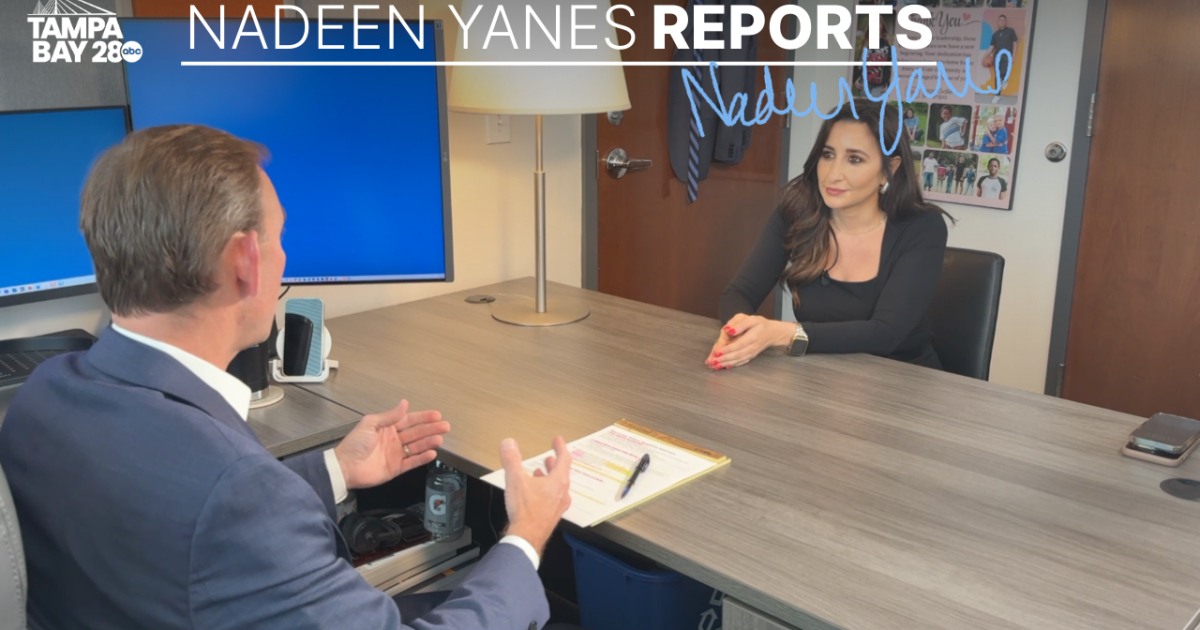
Tampa insurance attorney David Murray shared with Tampa Bay 28 anchor Nadeen Yanes that waiting until construction is finished could put families at risk of losing benefits owed to them. He emphasized that many homeowners do not realize a claim can close before final rebuild costs surface.

Murray explained it clearly: If you’re in the process of building your home right now, and you wait until the end to submit your final contractor bill, the claim window may already be closed. Insurance companies can simply say the filing deadline has passed, leaving homeowners without the supplemental funds they expected.

His advice is simple: File your supplemental claim now if you expect any additional damage or expenses connected to Hurricane Milton.

Homeowners also retain a five-year window to file a lawsuit against their insurer, though this is separate from the supplemental claim deadline.

Why This Matters for Real Estate and Licensing Professionals

Understanding insurance timelines is more than a homeowner issue. In Florida’s real estate industry, knowing claim deadlines and reconstruction processes is critical for anyone advising buyers, sellers, or investors. At Cameron Academy, we train students on how post-disaster regulations, insurance reforms, and rebuilding cycles affect market conditions and property disclosures.

This real-world scenario is a perfect example of why licensing candidates benefit from a success-centered curriculum. Whether you are pursuing a real estate, mortgage, or insurance license, mastering how events like Hurricane Milton impact property transactions gives you a strong professional advantage.

Your Voice Matters

Tampa Bay 28 Anchor Nadeen Yanes continues to gather stories from homeowners navigating Florida’s insurance landscape. If you have experienced issues first-hand or have insights others can learn from, you can share your story directly through their newsroom form.

Federal Officials Monitor Middle East Threats

In related national coverage, federal agencies are monitoring potential threats linked to Middle East tensions. The FBI reports its counterterrorism teams are on standby as experts warn of possible sleeper cell activity, lone wolf attacks, and Iranian-led cyberattacks targeting U.S. systems. While not directly tied to Hurricane Milton, these developing issues reflect a broader climate of vigilance that homeowners, businesses, and industry professionals should remain aware of.

Full reporting is available through Tampa Bay 28 and Scripps Media.

Looking to Advance Your Professional License?

Whether you are entering the real estate field or expanding into mortgage, insurance, finance, or medical licensing, Cameron Academy offers flexible, career-focused training designed for today’s professionals. Stay informed, stay prepared, and elevate your future with expert-led courses built for success.

Explore Programs at Cameron Academy

More Articles

Getting licensed or staying ahead in your career can be a journey—but it doesn’t have to be overwhelming. Grab your favorite coffee or tea, take a moment to relax, and browse through our articles. Whether you’re just starting out or renewing your expertise, we’ve got tips, insights, and advice to keep you moving forward. Here’s to your success—one sip and one step at a time!

Florida’s Middle Class Is Being Squeezed Out: Insurance Costs, Rebuilding Struggles, and a Changing Coastline

Fort Myers Beach is becoming the front line of a new Florida—one shaped by hurricane devastation, soaring insurance premiums, and rapid gentrification. Three years after Hurricane Ian, residents are still battling massive rebuilding costs and insurance bills that now exceed $5,700 a year on average, with flood insurance reaching $10,000 for some families. Long-time locals, small businesses, and service workers are being priced out as wealthy investors move in, transforming once-affordable coastal communities. Real estate professionals warn that foreclosures may rise if economic pressures continue, signaling a pivotal moment for Florida’s housing market and the professionals who serve it.

Top 2026 Commercial Real Estate Issues Every Professional Should Watch

Economic uncertainty, AI disruption, slowing population growth, and rising portfolio risk are reshaping commercial real estate heading into 2026. A new report unveiled at NAR NXT highlights the forces that will reward informed professionals — and challenge those who aren’t prepared. From fiscal policy and shifting capital flows to tech transformation and housing shortages, the landscape is evolving fast. Cameron Academy breaks down the key issues so real estate, mortgage, finance, and insurance professionals can stay ahead of the curve.

Federal Climate Funding Pulled, Leaving Billions in Real Estate Risk Exposed

A sudden federal shutdown of FEMA’s BRIC resiliency program has left cities and commercial property owners scrambling, exposing billions in real estate to rising climate threats. With nearly a billion dollars in mitigation funding clawed back and extreme weather intensifying, insurance premiums are expected to surge and coverage may shrink — placing new pressure on markets like Florida and New York.

Florida Lawmakers Push Bill to Limit Local Power Over Housing Approvals

A new Florida Senate bill aims to stop cities and counties from blocking residential developments over vague “compatibility” concerns. Supporters say the measure would speed up homebuilding and ease housing shortages, while opponents argue it strips communities of essential oversight and could accelerate growth without proper planning. The proposal could reshape development timelines and land-use decisions statewide, making it a major issue for real estate professionals to watch.

Cape Coral Housing Market Shifts in Favor of Buyers as Homes Linger 119 Days

Cape Coral–Fort Myers has officially moved into buyer-friendly territory, with homes now sitting a median 119 days on the market—far longer than both the Florida and U.S. averages. Rising inventory, a 36.9 percent price‑reduction rate, and slower absorption compared to accumulated supply are giving buyers more leverage and time to negotiate, signaling a meaningful reset in this once‑fast‑moving Florida market.

Kansas City’s Commercial Real Estate Market Finds Its Momentum Again

Kansas City’s commercial real estate sector is finally turning a corner after several years of sluggish activity. Retail is leading the rebound, while multifamily and industrial properties are gaining traction as pricing stabilizes and buyer confidence returns. A standout 2025 transaction—the sale of the 380‑unit Cyan Southcreek community—signals that capital is flowing back into the market. With bid‑ask spreads tightening and investor optimism rising, Kansas City is entering a period of renewed opportunity for real estate professionals and investors alike.