Illinois Rings In 2026 With Over 200 New Laws: Here’s What Professionals Need to Know
Illinois kicked off 2026 with a legislative shake‑up: more than 200 new laws officially took effect on January 1. From healthcare and insurance to workplace rules, education, safety, and even cocktail‑to‑go policies, nearly every resident and working professional in the state will feel some type of impact this year.
For professionals navigating licensing, compliance, and evolving industry regulations—whether in real estate, insurance, healthcare, or other fields—these updates matter. And if you’re growing your career, institutions like Cameron Academy remain committed to keeping you informed, prepared, and fully aligned with ever‑shifting professional standards.
Workplace Laws Changing the Professional Landscape
The new year brings strengthened worker protections, expanded benefits, and refined expectations for how employers must manage technology and safety. Key highlights include:
Paid Breaks for Nursing Mothers SB 0212 requires employers to provide paid pumping breaks—an important win for workplace fairness and modern family support.
AI Limitations in Hiring HB 3773 prohibits discriminatory use of artificial intelligence in employment screening, modernizing HR practices.
Part‑Time Worker Benefits HB 3094 extends commuter benefits to part‑time employees, promoting inclusivity in workforce benefits.
These laws signal a broader nationwide push toward more worker‑friendly environments—something all HR, management, and business professionals should watch closely.
Healthcare & Insurance: The Biggest Area of Change
Healthcare saw the largest cluster of new regulations, impacting patients, providers, insurers, pharmacies, and long‑term care facilities.
Insurance Coverage Expansions
Requirements now include IVF, menopause visits, PAD screenings, and non‑opioid pain treatments—expanding accessibility and lowering long‑term patient risks.
Pharmacist & Nursing Home Changes
Pharmacists can now dispense contraceptives, and nursing homes must install AEDs by 2030—critical steps for public safety.
Physician-Assisted Death Legalized
Under SB 1950, Illinois becomes the first Midwest state to legalize medical aid in dying, with full implementation later this year.
Healthcare professionals, insurance specialists, and pharmacy personnel will experience some of the most significant compliance updates—and students preparing to enter these fields should stay ahead.
Education: Safety, Accessibility, and Modernization
Illinois schools will introduce new policies targeting safety, mental health, AI usage, and academic access.
AI Guidance for Schools SB 1920 pushes the Illinois State Board of Education to implement statewide guidelines for artificial intelligence in classrooms.
Student Mental Health Support HB 3000 requires suicide hotline numbers on school employee badges, enhancing visibility of vital resources.
Early Academic Advancement HB 3039 allows middle‑schoolers to earn high‑school credit, expanding opportunities for early achievers.
State Agencies, Buildings, and Public Safety
Several new rules affect public infrastructure, environmental safety, and state services.
New Water Quality Standards SB 0727 mandates testing for PFAs and 1,4‑Dioxane, improving public water safety.
Emergency Response Upgrades SB 0784 allows Illinois agencies to assist nearby states during natural disasters, enhancing regional protection.
Library & Courthouse Rules
New mandates require opioid antagonists in libraries and give courthouses more flexibility in flag placement.
Why These Laws Matter for Professionals
Whether you’re in healthcare, insurance, education, government, public safety, business, or any regulated profession, these updates underscore one reality: professional compliance is evolving faster than ever.
That’s why institutions like Cameron Academy help professionals across all 50 states stay licensed, informed, and ahead of industry change through comprehensive education and continuing‑ed programs.
Explore the Full Legislative List
For those who want to review every bill taking effect, here is the complete PDF from state lawmakers:
Stay informed. Stay licensed. Stay ahead.
2026 will be a defining year for Illinois professionals.
More Articles
Getting licensed or staying ahead in your career can be a journey—but it doesn’t have to be overwhelming. Grab your favorite coffee or tea, take a moment to relax, and browse through our articles. Whether you’re just starting out or renewing your expertise, we’ve got tips, insights, and advice to keep you moving forward. Here’s to your success—one sip and one step at a time!
Florida families are feeling the squeeze as everyday costs, insurance premiums, and homeownership barriers continue to climb. House District 102 candidate Jayden D’Onofrio is calling for a broader, more unified affordability strategy—one that tackles the state’s insurance crisis, supports first‑time homebuyers, and restores real competition in the market. His message centers on transparency, practical solutions, and keeping Florida livable for the professionals, workers, and families who power its economy.
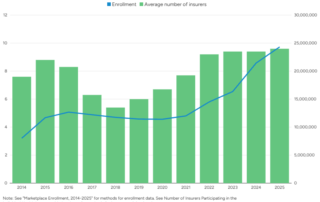
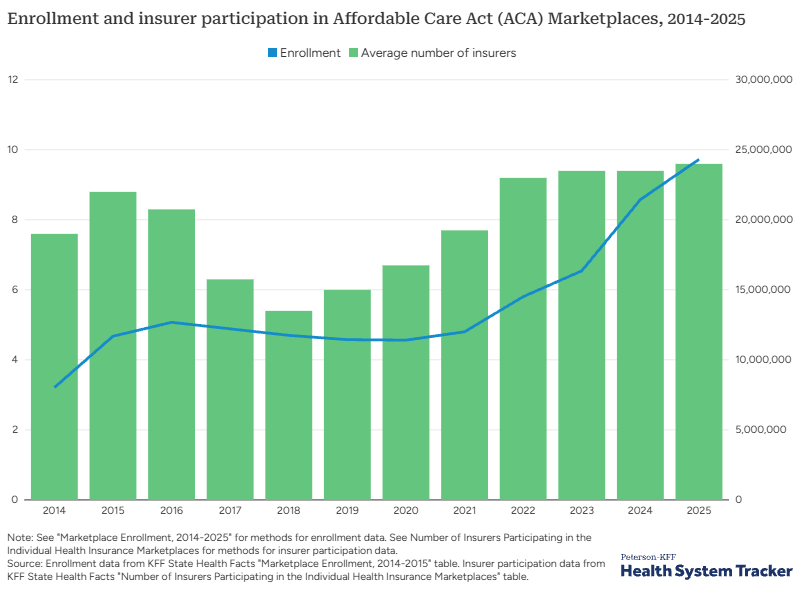
A decade of dramatic change is reshaping America’s health insurance markets. Employer group plans are becoming increasingly dominated by a few powerful insurers, while the ACA individual marketplace is experiencing record‑breaking competition and enrollment. Self‑funded plans are surging, small‑group premiums are driving employers to new coverage models, and major policy shifts in 2025 could redefine affordability for millions. This data‑driven Peterson‑KFF analysis breaks down the trends every insurance, finance, and business professional needs to understand as the industry enters a transformative new era.
Sarasota County is inching closer to approving Winchester Ranch, a massive 8,999‑home community planned for more than 3,100 acres in North Port. With a 7‑1 vote from the Planning Commission and a final decision expected in early 2026, the project could become one of Southwest Florida’s largest developments in decades—bringing new housing, commercial space, and industry while raising fresh questions about growth, the environment, and the region’s rapidly evolving real estate market.
Lument Finance Trust has closed a major $663.8 million commercial real estate CLO, marking one of the standout CRE finance deals of 2025. The transaction, LMNT 2025-FL3, features a strong reinvestment period, non‑recourse and non‑mark‑to‑market financing, and a diversified pool of 32 loans tied to 49 properties nationwide. With J.P. Morgan leading the structuring and more than $585 million placed in investment‑grade securities, the deal highlights renewed stability in transitional CRE debt—making it a development real estate and finance professionals will want to watch closely.
Walmart has partnered with Alquist 3D to roll out the nation’s first large‑scale wave of 3D‑printed commercial buildings, signaling a major shift in how future retail and industrial spaces will be constructed. After completing an 8,000‑square‑foot 3D‑printed expansion in Tennessee—the largest of its kind—the company is moving forward with over a dozen new projects nationwide, accelerating a tech‑driven transformation in commercial real estate.
Citizens Property Insurance Corp. is recommending statewide rate reductions for 2026—the first proposed decrease in more than a decade. Most Citizens policyholders could see an average 11.5% drop, reflecting recent insurance‑market reforms that have stabilized Florida’s turbulent property sector. With hundreds of thousands of policies moving back to private insurers and state‑backed Citizens shrinking to record‑low enrollment, real estate and insurance professionals should prepare for how lower premiums may influence affordability, buyer confidence, and market activity heading into 2026.