Illinois Updates Insurance Supplier Diversity Reporting Rules: What Professionals Need to Know for 2026
Illinois has officially refreshed its rules for insurance supplier diversity reporting — and the changes affect nearly every major insurance‑related organization doing business in the state.
On February 6, 2026, the Illinois Department of Insurance (IDOI) released Company Bulletin 2026‑03, replacing its 2024 guidance and outlining how companies must file their annual Supplier Diversity Reports beginning April 1, 2026.
Who Must File?
According to the IDOI, the requirement applies to every company authorized or accredited to do business in Illinois with at least $50 million in total net admitted assets. This includes:
Insurance companies
Health maintenance organizations (HMOs)
Limited health service organizations
Dental service plan corporations
Accredited reinsurers
Certain entities are exempt, such as fraternal benefit societies, domestic captive insurers, qualified group workers’ compensation pools, and Medicare‑only risk‑bearing entities.
Quick Snapshot: Are You Required to File?
Use this quick checklist:
Your organization has at least $50M in admitted assets
You operate or are accredited in Illinois
You are not exclusively a Medicare Part C or D organization
You are not a captive, fraternal, or exempt pool
If this describes you, the Supplier Diversity Report is required.
How Companies Must File Their Reports
The IDOI requires reporting entities to use the official state fillable PDF template located on the Insurance Supplier Diversity webpage. Reports must be submitted through SERFF and marked as publicly accessible under 215 ILCS 5/155.49(b).
For companies operating multiple lines of business, the IDOI allows a single filing — meaning companies writing both property & casualty and life or health business may submit one unified report.
Details Matter: Formatting Requirements for Questions 3–6
The bulletin highlights precise formatting expectations for procurement categories and reporting metrics. These include:
Comma‑separated certification types
Carriage‑return formatting for goals and results
Proper use of commodity codes or procurement identifiers
Relevant symbols (# / $ / %) depending on metric type
Companies within the same holding group may file individually or as a group — but cannot combine assets to meet filing thresholds.
Why This Update Matters
Supplier diversity continues to rise as a strategic and regulatory priority across insurance and financial sectors. Illinois’ refined guidelines reflect a push for increased transparency and more equitable contracting opportunities across the industry.
For professionals in insurance, compliance, procurement, and finance, understanding and correctly completing these requirements is essential. Inaccurate or incomplete filings can lead to regulatory delays and reputational risk.
Want to Read the Full Original Report?
The full story is available via Insurance Business Magazine.
How Cameron Academy Supports Insurance Professionals
As compliance requirements evolve — from licensing rules to reporting obligations — professionals need a reliable, modern, and flexible education partner.
At Cameron Academy, we empower insurance professionals across all 50 states with streamlined licensing courses, continuing education, and real‑time regulatory insights designed to keep you ahead of every update.
Whether you’re advancing your insurance career or expanding your credentials across states, the right education partner makes all the difference. Cameron Academy is here to help you move forward confidently.
More Articles
Getting licensed or staying ahead in your career can be a journey—but it doesn’t have to be overwhelming. Grab your favorite coffee or tea, take a moment to relax, and browse through our articles. Whether you’re just starting out or renewing your expertise, we’ve got tips, insights, and advice to keep you moving forward. Here’s to your success—one sip and one step at a time!
The global digital health market is set to skyrocket, with projections estimating it will reach $551.09 billion by 2027. This growth is fueled by innovations that are setting new benchmarks in healthcare delivery.
AI is being hailed as a "triple threat" in radiology, impacting planning, scanning, and diagnosis. As detailed in a recent column by Kelly Londy of GE HealthCare, these intelligent imaging systems are ushering in seismic changes reminiscent of the transformative impact of computer-assisted tomography in the late 20th century.
In a significant move that has captured the attention of economists and homebuyers alike, the Federal Reserve recently announced a half-percentage-point cut in interest rates. This decision is poised to bring about notable changes in the housing market, though not all effects may be beneficial for prospective homeowners.
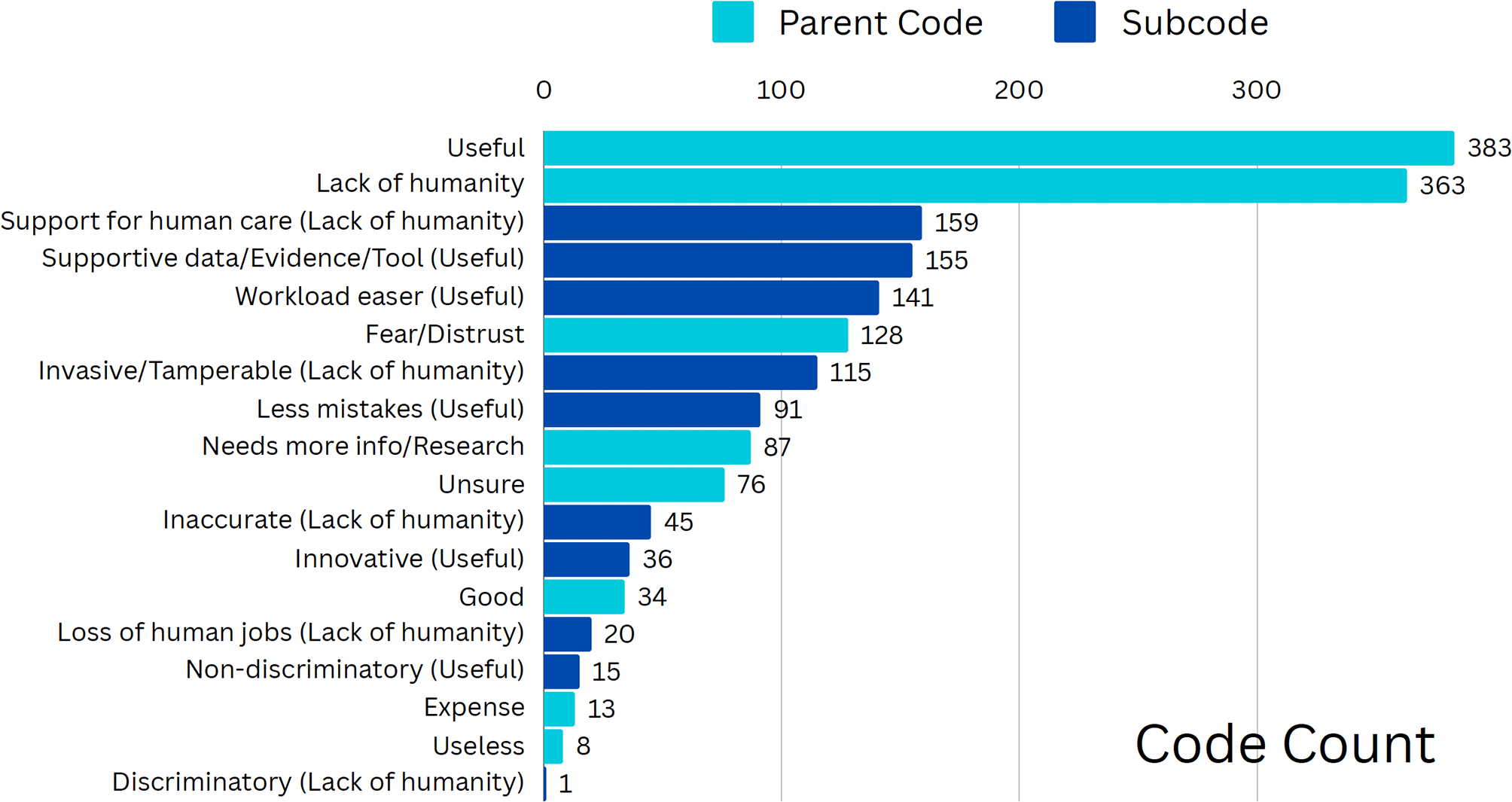
In the rapidly evolving landscape of healthcare, the integration of artificial intelligence (AI) stands as a beacon of both promise and concern. The research underscores a significant tension: while AI has the capability to enhance healthcare delivery, there is palpable unease about its impact on the traditional physician-patient relationship.
As artificial intelligence (AI) technology advances, it presents a myriad of ethical dilemmas and challenges that demand urgent attention. The USC Annenberg School for Communication and Journalism recently explored these pressing issues, highlighting the complexities involved in AI's deployment.