Illinois Updates Insurance Supplier Diversity Reporting Rules: What Professionals Need to Know for 2026
Illinois has officially refreshed its rules for insurance supplier diversity reporting — and the changes affect nearly every major insurance‑related organization doing business in the state.
On February 6, 2026, the Illinois Department of Insurance (IDOI) released Company Bulletin 2026‑03, replacing its 2024 guidance and outlining how companies must file their annual Supplier Diversity Reports beginning April 1, 2026.
Who Must File?
According to the IDOI, the requirement applies to every company authorized or accredited to do business in Illinois with at least $50 million in total net admitted assets. This includes:
Insurance companies
Health maintenance organizations (HMOs)
Limited health service organizations
Dental service plan corporations
Accredited reinsurers
Certain entities are exempt, such as fraternal benefit societies, domestic captive insurers, qualified group workers’ compensation pools, and Medicare‑only risk‑bearing entities.
Quick Snapshot: Are You Required to File?
Use this quick checklist:
Your organization has at least $50M in admitted assets
You operate or are accredited in Illinois
You are not exclusively a Medicare Part C or D organization
You are not a captive, fraternal, or exempt pool
If this describes you, the Supplier Diversity Report is required.
How Companies Must File Their Reports
The IDOI requires reporting entities to use the official state fillable PDF template located on the Insurance Supplier Diversity webpage. Reports must be submitted through SERFF and marked as publicly accessible under 215 ILCS 5/155.49(b).
For companies operating multiple lines of business, the IDOI allows a single filing — meaning companies writing both property & casualty and life or health business may submit one unified report.
Details Matter: Formatting Requirements for Questions 3–6
The bulletin highlights precise formatting expectations for procurement categories and reporting metrics. These include:
Comma‑separated certification types
Carriage‑return formatting for goals and results
Proper use of commodity codes or procurement identifiers
Relevant symbols (# / $ / %) depending on metric type
Companies within the same holding group may file individually or as a group — but cannot combine assets to meet filing thresholds.
Why This Update Matters
Supplier diversity continues to rise as a strategic and regulatory priority across insurance and financial sectors. Illinois’ refined guidelines reflect a push for increased transparency and more equitable contracting opportunities across the industry.
For professionals in insurance, compliance, procurement, and finance, understanding and correctly completing these requirements is essential. Inaccurate or incomplete filings can lead to regulatory delays and reputational risk.
Want to Read the Full Original Report?
The full story is available via Insurance Business Magazine.
How Cameron Academy Supports Insurance Professionals
As compliance requirements evolve — from licensing rules to reporting obligations — professionals need a reliable, modern, and flexible education partner.
At Cameron Academy, we empower insurance professionals across all 50 states with streamlined licensing courses, continuing education, and real‑time regulatory insights designed to keep you ahead of every update.
Whether you’re advancing your insurance career or expanding your credentials across states, the right education partner makes all the difference. Cameron Academy is here to help you move forward confidently.
More Articles
Getting licensed or staying ahead in your career can be a journey—but it doesn’t have to be overwhelming. Grab your favorite coffee or tea, take a moment to relax, and browse through our articles. Whether you’re just starting out or renewing your expertise, we’ve got tips, insights, and advice to keep you moving forward. Here’s to your success—one sip and one step at a time!
The title insurance industry is entering 2026 with a renewed focus on technology, operational efficiency, and stronger agent support after years of volatility. Leaders from major underwriters report rising transaction activity, improved affordability, and a surge in automation and fraud‑prevention tools—signs that smarter systems and better training will define the next wave of growth.
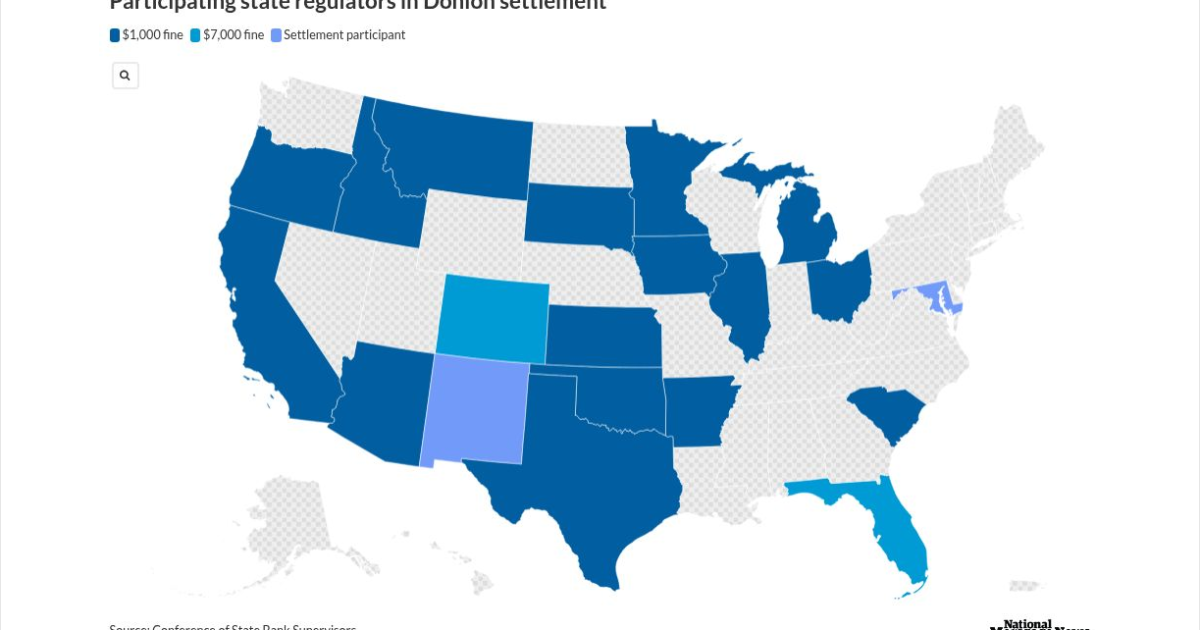
A multistate crackdown has sent shockwaves through the mortgage industry as Patrick Terrance Donlon, CEO of Trusted American Mortgage, accepted a sweeping settlement that bans him from working as a mortgage loan originator in 21 states—19 of them permanently. Regulators say Donlon had another individual complete his mandatory licensing and continuing‑education courses, a violation that triggered a coordinated investigation and a $31,000 penalty. The case underscores regulators’ growing intolerance for education fraud and serves as a sharp reminder to industry professionals: cutting corners on licensing can end careers.
Florida’s once‑booming housing market is cooling fast as rising insurance premiums, increasing foreclosures, and expanding flood zones push buyers to back out of deals and force sellers to cut prices. With insurance now adding thousands to annual housing costs, professionals across real estate, mortgage, and insurance are navigating a dramatically shifting landscape that’s redefining affordability in the Sunshine State.
Florida begins 2026 with a wave of more than 250 new laws now in effect, impacting healthcare, insurance, real estate, and consumer protections statewide. From free breast cancer screenings for state employees to tighter pet insurance regulations, mandatory healthcare refund rules, enhanced animal‑cruelty penalties, and new condo‑management requirements, these updates carry major implications for professionals navigating Florida’s evolving regulatory landscape.
Florida’s barrier islands may offer postcard-perfect beaches and soaring real estate demand, but they’re also some of the most fragile and costly places to build in the United States. With 765,000 residents living on land that shifts, sinks, and takes the brunt of every major hurricane, the financial and insurance risks are accelerating fast. From billion‑dollar beach rebuilds to towers settling into the sand, today’s coastal development challenges are reshaping conversations around property values, disclosure, and long‑term resilience. For real estate professionals, understanding these risks isn’t just smart — it’s becoming essential.
A Cedar City development is turning heads with its fresh approach to affordability. The team behind Temple View Commons is delivering luxury‑inspired twin homes at prices below the local median by using a small, hands‑on staff and cutting traditional costs like realtor commissions. In a tight Utah housing market where inventory is scarce and prices remain high, their strategy offers a realistic path to homeownership without sacrificing high‑end finishes.


 Title Insurance Leaders Double Down on Tech and Efficiency to Drive 2026 Market Momentum Gallery