Impact of Tariffs and Deportations on the Housing Market

As President Trump advances his campaign promises, the housing market stands on the brink of significant changes. Two of his key policies—tariffs and mass deportations—are poised to reshape the landscape of home ownership and affordability.

Tariffs’ Impact on Housing
President Trump has proposed a range of tariffs, including a 10 percent universal tariff and specific tariffs on goods from certain countries. These tariffs, particularly those on construction materials like Canadian lumber, could escalate homebuilding costs. A tariff on Canadian lumber, for instance, means that if an American company buys $200,000 worth of lumber, they might face an additional $50,000 in tariffs. Such costs are often passed on to consumers, potentially driving up home prices.

Construction Material Costs
The National Association of Home Builders (NAHB) warns that tariffs on essential materials like softwood lumber and gypsum could raise construction costs, leading to higher home prices. Carl Harris, NAHB chairman, emphasizes that consumers ultimately bear the burden of these tariffs.

Mortgage Rates
Tariffs could also influence mortgage rates. As tariffs drive up prices and inflation, both short-term interest rates set by the Federal Reserve and long-term mortgage rates could rise, further straining affordability.

Learn more about how the Federal Reserve impacts mortgage rates.

Deportations and the Housing Market
Mass deportations could significantly affect the housing market by reducing the labor force, particularly in construction, where immigrants make up about 30 percent of workers. This could exacerbate the current housing deficit, pushing prices even higher.

Government Interventions
To mitigate these effects, the government could invest in affordable housing and offer tax incentives to homebuyers. However, deregulation efforts, while potentially reducing costs, could have broader economic and public-health implications.

Homebuying Tips
In these uncertain times, prospective homebuyers can take steps to secure better deals. Shopping around for the best mortgage rates and checking credit scores are essential. Consider expanding your search to less expensive areas or opting for a condo instead of a single-family home to save on costs.

For more detailed insights, refer to the original article by Andrew Dehan on Bankrate.

More Articles

Getting licensed or staying ahead in your career can be a journey—but it doesn’t have to be overwhelming. Grab your favorite coffee or tea, take a moment to relax, and browse through our articles. Whether you’re just starting out or renewing your expertise, we’ve got tips, insights, and advice to keep you moving forward. Here’s to your success—one sip and one step at a time!

The Most Popular Housing Markets of 2024 Unveiled

Among the bustling cities, New York, NY, stands out, capturing 3.4% of the total online traffic. This is followed by Dallas, TX (2.7%), Chicago, IL (2.6%), Miami, FL (2.5%), and Tampa, FL (1.9%). These cities have emerged as hotspots for prospective homebuyers, reflecting a high level of interest and potential market growth.

By |March 4, 2025|Categories: Article, Housing Market Trends, Real Estate|Tags: , |0 Comments

Texas Enhances Mortgage Sector Protections with New Regulations

In a significant move to bolster consumer protections in the mortgage sector, Texas has enacted new regulations aimed at enhancing transparency and accountability among mortgage lenders and servicers.

Integrating Real Estate into Defined Contribution Plans: A Strategic Move for Better Retirement Outcomes

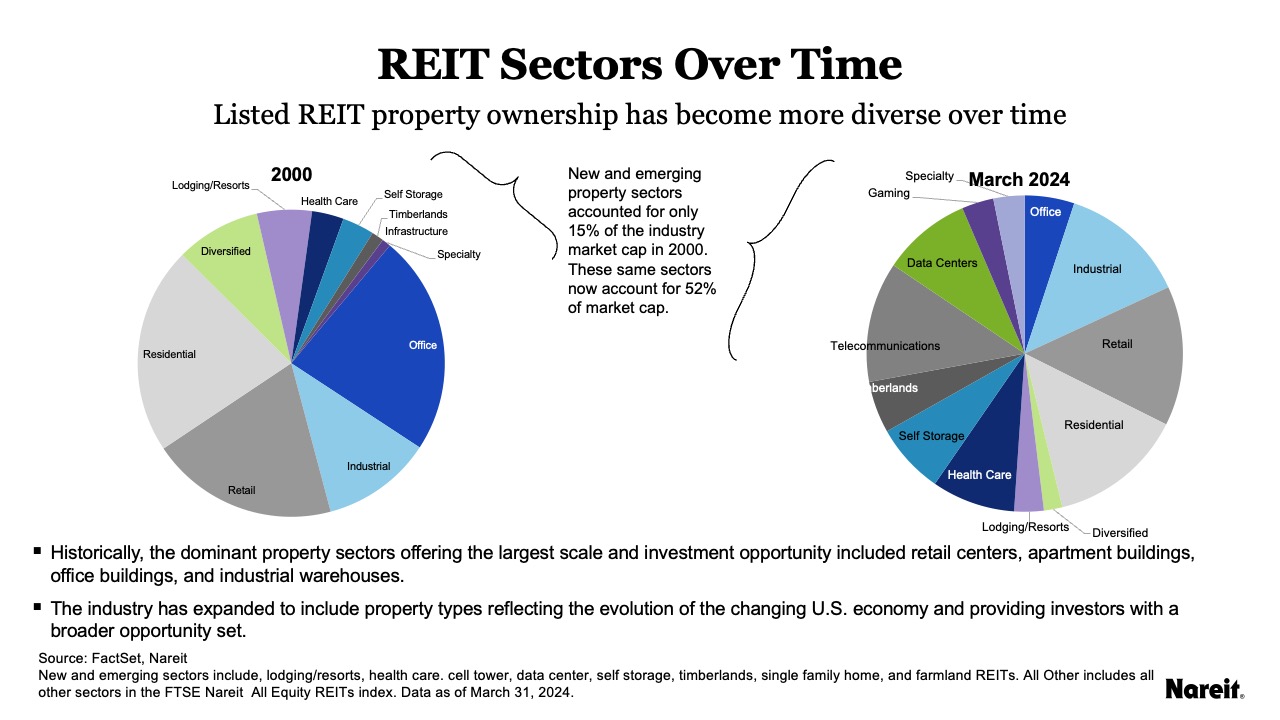
In the world of retirement planning, the integration of underrepresented asset classes into defined contribution (DC) plans is gaining momentum. For decades, defined benefit (DB) pension plans have successfully leveraged real estate within their investment portfolios. Now, DC plans are following suit, largely through the use of Real Estate Investment Trusts (REITs).

Exploring the Potential of Real Estate Investment Trusts (REITs)

REITs have democratized real estate investment, allowing individuals to invest in diverse property portfolios with the same ease as purchasing stocks. The beauty of REITs lies in their ability to transform traditionally illiquid assets into liquid ones, offering investors both liquidity and diversification.

By |March 4, 2025|Categories: Article, Finance, Real Estate|Tags: |0 Comments

In the Face of Economic Uncertainty: Building a Resilient Investment Portfolio

As economic uncertainty continues to cast a shadow over global markets, investors are increasingly seeking strategies to safeguard and grow their wealth.

Revolutionizing Real Estate: EstateSlice NFT Leverages Blockchain

In a bold move set to transform the real estate sector, EstateSlice NFT is leveraging blockchain technology to break down traditional barriers to property investment.