Implications of the 8% Mortgage for Homebuyers and the Housing Market
Higher Mortgage Rates: A New Challenge for Homebuyers, Homebuilders, and the Housing Market
The mortgage rates for 30-year fixed-rate loans have surged to 8%, a level not seen since 2007 when the Treasury yield surpassed 4.9%. This sudden increase has far-reaching implications for homebuyers, homebuilders, and the overall housing market. The rise in mortgage rates means a higher cost of borrowing, making homeownership more expensive for potential buyers. This increase may deter some individuals from entering the market or force them to reconsider their budget and housing options.
Homebuilders are also likely to face challenges due to these higher mortgage rates. As the cost of borrowing increases, the demand for new homes may decline, leading to a slowdown in new home construction.
Cameron Academy provides comprehensive insights into these market changes, helping both homebuyers and homebuilders navigate these challenging times.
Challenges for Homebuyers
The surge in mortgage rates poses a significant challenge for homebuyers, especially first-time buyers or those with limited financial resources. The affordability of homes may decrease, making it more difficult for potential buyers to enter the market. Prospective buyers will need to carefully consider their options and adjust their budgets accordingly.
Effects on Homebuilders
The higher mortgage rates have a direct impact on homebuilders, as they may experience a decline in demand for new homes. Potential buyers may be hesitant to commit to a mortgage with higher interest rates, leading to a slowdown in new home construction. This can have a ripple effect on the construction industry and related sectors.
Shifts in the Housing Market
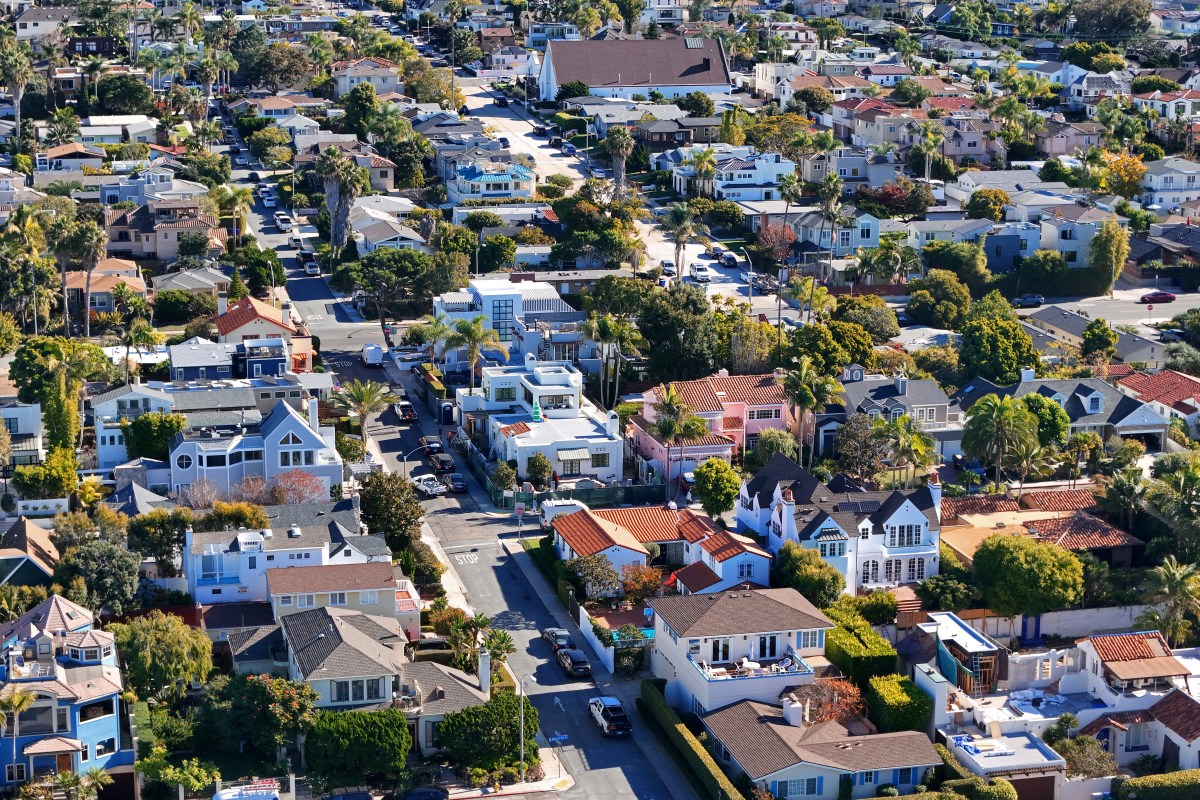
The arrival of the 8% mortgage rates will undoubtedly shift the dynamics of the housing market. With higher rates, home sales may decrease, and there may be a potential decline in home prices. Sellers will need to adjust their pricing strategies to attract buyers in a market with higher borrowing costs. The market dynamics may favor buyers who can afford the higher rates or have the flexibility to wait for more favorable conditions.
Expert Opinions
Industry experts and economists have shared their insights on the current situation and future expectations. Some experts argue that the increase in mortgage rates reflects an improving economy and rising inflation expectations. They believe that higher rates are a natural consequence of a stronger economy and should not cause significant disruptions in the housing market.
However, others express concerns about the impact on affordability and the potential slowdown in the housing market’s recovery. The future of mortgage rates and the housing market remains uncertain and will depend on various factors, including economic conditions, inflation trends, and government policies.
Conclusion
The arrival of the 8% mortgage rates marks a significant development in the housing market. The implications for homebuyers, homebuilders, and the overall market are substantial. It is crucial for industry stakeholders to closely monitor these developments and adjust their strategies accordingly.
As the future of mortgage rates and the housing market remains uncertain, it is essential for individuals to carefully consider their options and make informed decisions. Whether you are a homebuyer or a homebuilder, it is crucial to stay updated on the latest trends and adapt to the changing market conditions.
Stay Informed with Cameron Academy
Empower Yourself in the Real Estate Industry
Discover the comprehensive online courses offered by Cameron Academy and gain the knowledge and skills to thrive in the ever-changing real estate market. Whether you’re a homebuyer, homebuilder, or industry professional, our courses are designed to empower you and help you achieve your goals.
Begin Your Journey Today
Visit Cameron Academy’s website to explore our wide range of online courses and take the first step towards a successful career in real estate.
Explore Courses