In a world still grappling with the aftermath of the pandemic, in-person work policies are emerging as a beacon of hope for the commercial real estate sector. A recent study by a team of researchers, including New York University’s Arpit Gupta, University of North Carolina’s Vrinda Mittal, and Columbia University’s Stijin Van Nieuwerburgh, highlights the intricate dance between office policies and real estate demand.
The study underscores that work from home has significantly disrupted the value of commercial office real estate in the short and medium term. With office occupancy plummeting by 90% from February to March 2020, the impact of remote work was palpable. However, the researchers found that hybrid mandates and adding more in-office days could mitigate some of these challenges.
Data spanning from December 2019 to December 2023 reveals a fascinating correlation: companies with a one-day-a-week policy experienced a staggering 41% drop in office demand, whereas a two- or three-day-a-week policy saw only a 9% drop. Remarkably, those enforcing a four- or five-day in-office policy witnessed a 1% increase in demand for office space.
The report further notes that each additional day in the office translates into a 7% reduction in declining office values. This insight comes at a time when over 80% of CEOs are eager to bring employees back to the office full-time within the next three years, according to a KPMG survey.
Despite this push, companies are also rightsizing their leases in response to the evolving landscape of hybrid work. Last year’s leasing activity was 10% below prepandemic levels, with new leases plummeting from 414M SF in the second half of 2019 to 150M SF in the same period in 2023.
Interestingly, the study points out a trend towards luxe, Class-A office spaces, which are rich with amenities. These high-quality spaces have seen less decline in rent compared to their lower-quality counterparts, and in some cases, rents have even increased.
This comprehensive analysis, as detailed in the newly updated academic report, offers a nuanced perspective on how hybrid work is reshaping the office market’s recovery. For more details, you can read the original article on Bisnow.
More Articles
Getting licensed or staying ahead in your career can be a journey—but it doesn’t have to be overwhelming. Grab your favorite coffee or tea, take a moment to relax, and browse through our articles. Whether you’re just starting out or renewing your expertise, we’ve got tips, insights, and advice to keep you moving forward. Here’s to your success—one sip and one step at a time!
"The challenges faced by the PropTech industry are vast, ranging from data security and regulatory compliance to the implementation of sustainable practices. Yet, technologies such as Artificial Intelligence (AI), Virtual Reality (VR), Internet of Things (IoT), and Blockchain are pivotal in addressing these hurdles."
The commercial real estate sector is poised to emerge from recent tumultuous years, armed with insights and strategies to better position itself for the future. According to a detailed analysis by Deloitte, the 2025 outlook offers a roadmap for industry leaders to navigate the evolving landscape.
The IRS is ushering in a new era of tax reporting that will significantly affect freelancers, small business owners, and anyone who earns income through third-party payment apps like Venmo or PayPal. These changes are embodied in the form of adjusted thresholds for the Form 1099-K, a tax document used to report income from such platforms. Previously, this form was only required for those earning at least $20,000 annually through these services. However, new phased-in rules will reduce this threshold to $600 by 2026, starting with earnings over $5,000 in 2024.
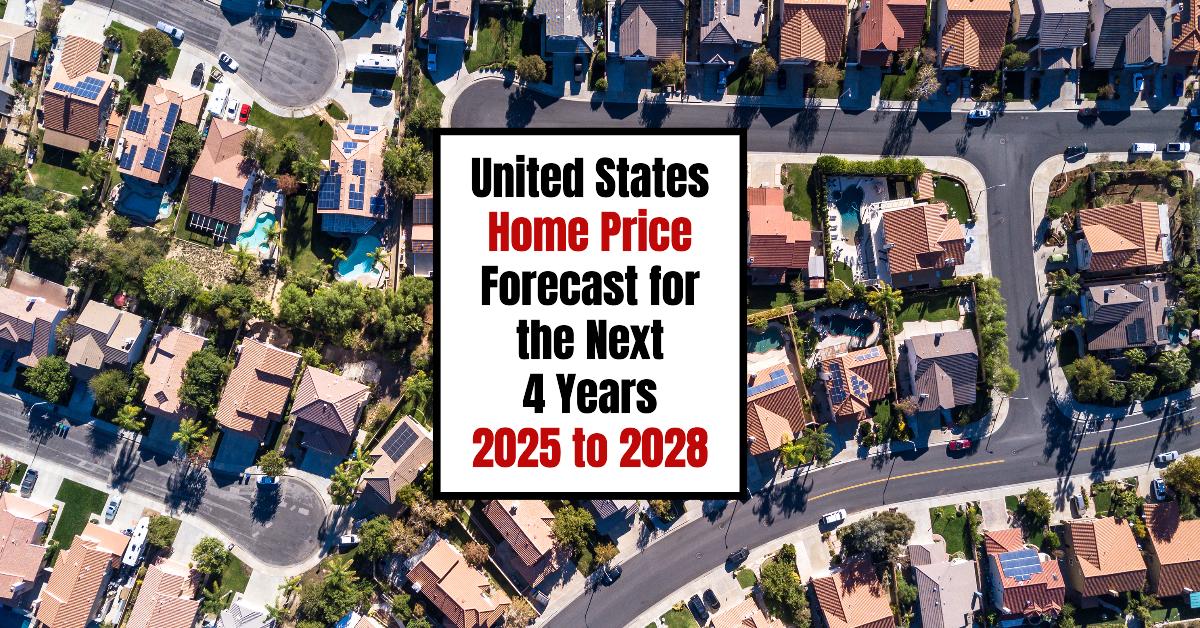
As we look to the horizon of the U.S. housing market, Fannie Mae's Home Price Expectations Survey offers a crucial glimpse into the coming years. Compiled from the insights of over 100 housing experts, this survey predicts notable changes in home prices from 2025 to 2028. The analysis, originally detailed by Norada Real Estate Investments, suggests a shift in market dynamics that could impact homeowners and investors alike.