In a world still grappling with the aftermath of the pandemic, in-person work policies are emerging as a beacon of hope for the commercial real estate sector. A recent study by a team of researchers, including New York University’s Arpit Gupta, University of North Carolina’s Vrinda Mittal, and Columbia University’s Stijin Van Nieuwerburgh, highlights the intricate dance between office policies and real estate demand.
The study underscores that work from home has significantly disrupted the value of commercial office real estate in the short and medium term. With office occupancy plummeting by 90% from February to March 2020, the impact of remote work was palpable. However, the researchers found that hybrid mandates and adding more in-office days could mitigate some of these challenges.
Data spanning from December 2019 to December 2023 reveals a fascinating correlation: companies with a one-day-a-week policy experienced a staggering 41% drop in office demand, whereas a two- or three-day-a-week policy saw only a 9% drop. Remarkably, those enforcing a four- or five-day in-office policy witnessed a 1% increase in demand for office space.
The report further notes that each additional day in the office translates into a 7% reduction in declining office values. This insight comes at a time when over 80% of CEOs are eager to bring employees back to the office full-time within the next three years, according to a KPMG survey.
Despite this push, companies are also rightsizing their leases in response to the evolving landscape of hybrid work. Last year’s leasing activity was 10% below prepandemic levels, with new leases plummeting from 414M SF in the second half of 2019 to 150M SF in the same period in 2023.
Interestingly, the study points out a trend towards luxe, Class-A office spaces, which are rich with amenities. These high-quality spaces have seen less decline in rent compared to their lower-quality counterparts, and in some cases, rents have even increased.
This comprehensive analysis, as detailed in the newly updated academic report, offers a nuanced perspective on how hybrid work is reshaping the office market’s recovery. For more details, you can read the original article on Bisnow.
More Articles
Getting licensed or staying ahead in your career can be a journey—but it doesn’t have to be overwhelming. Grab your favorite coffee or tea, take a moment to relax, and browse through our articles. Whether you’re just starting out or renewing your expertise, we’ve got tips, insights, and advice to keep you moving forward. Here’s to your success—one sip and one step at a time!
The financial landscape in South Korea is poised for a seismic shift as KBank, a major digital bank, grapples with a legislative curveball. The bank, which is heavily reliant on deposits from Upbit, Korea’s dominant cryptocurrency exchange, is facing a potential profit squeeze. The new Virtual Asset User Protection Act, set to take effect on July 19, 2024, mandates that banks must pay interest on crypto exchange deposits, a move that could severely impact KBank's bottom line.
AI's ability to analyze vast amounts of data is paving the way for a profound change in medical diagnostics. Khosla predicted that AI could take over up to 80% of standard medical tasks, reducing errors and biases in human diagnosis. This is particularly evident in fields like radiology and pathology, where AI's proficiency in analyzing medical imaging allows for the early detection of diseases such as cancer, significantly improving treatment outcomes.
The COVID-19 pandemic has dramatically reshaped the housing market landscape, resulting in an unprecedented surge in home prices throughout the United States.
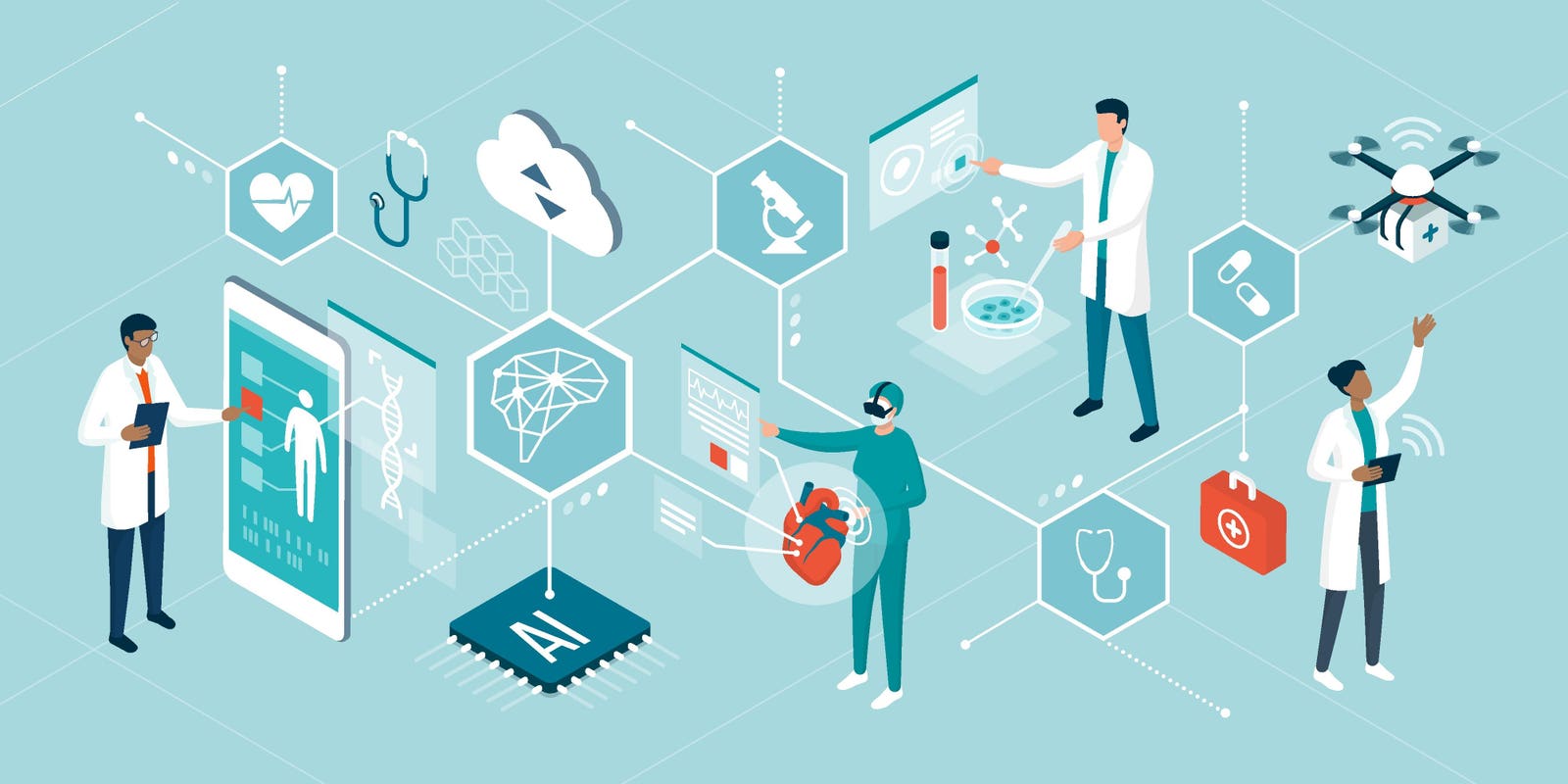
In a world where technology is rapidly evolving, artificial intelligence (AI) is proving to be a game-changer in the healthcare sector. AI-powered tools are improving patient outcomes, enhancing operational efficiency, and reducing costs, reshaping the very fabric of healthcare delivery.
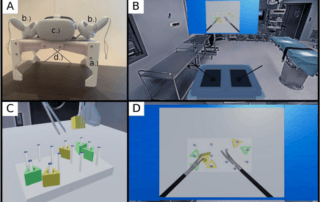
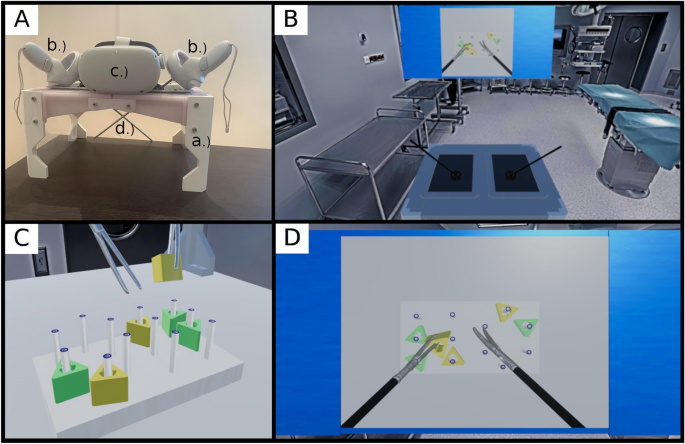
In a groundbreaking study published by Nature, researchers have unveiled a novel approach to surgical training using a low-fidelity virtual reality (VR) simulator enhanced with artificial intelligence (AI) for objective assessment. This pioneering method is poised to transform how medical students acquire laparoscopic skills, offering a cost-effective and efficient alternative to traditional training models.
AI in healthcare is projected to grow into a $188 billion industry worldwide by 2030, promising to revolutionize the field. From drug development to improved diagnostics, AI is already making significant strides, transforming medical practices and enhancing patient care efficiency.