In a world still grappling with the aftermath of the pandemic, in-person work policies are emerging as a beacon of hope for the commercial real estate sector. A recent study by a team of researchers, including New York University’s Arpit Gupta, University of North Carolina’s Vrinda Mittal, and Columbia University’s Stijin Van Nieuwerburgh, highlights the intricate dance between office policies and real estate demand.


The study underscores that work from home has significantly disrupted the value of commercial office real estate in the short and medium term. With office occupancy plummeting by 90% from February to March 2020, the impact of remote work was palpable. However, the researchers found that hybrid mandates and adding more in-office days could mitigate some of these challenges.


Data spanning from December 2019 to December 2023 reveals a fascinating correlation: companies with a one-day-a-week policy experienced a staggering 41% drop in office demand, whereas a two- or three-day-a-week policy saw only a 9% drop. Remarkably, those enforcing a four- or five-day in-office policy witnessed a 1% increase in demand for office space.


The report further notes that each additional day in the office translates into a 7% reduction in declining office values. This insight comes at a time when over 80% of CEOs are eager to bring employees back to the office full-time within the next three years, according to a KPMG survey.


Despite this push, companies are also rightsizing their leases in response to the evolving landscape of hybrid work. Last year’s leasing activity was 10% below prepandemic levels, with new leases plummeting from 414M SF in the second half of 2019 to 150M SF in the same period in 2023.


Interestingly, the study points out a trend towards luxe, Class-A office spaces, which are rich with amenities. These high-quality spaces have seen less decline in rent compared to their lower-quality counterparts, and in some cases, rents have even increased.


This comprehensive analysis, as detailed in the newly updated academic report, offers a nuanced perspective on how hybrid work is reshaping the office market’s recovery. For more details, you can read the original article on Bisnow.


People working in an office

More Articles

Getting licensed or staying ahead in your career can be a journey—but it doesn’t have to be overwhelming. Grab your favorite coffee or tea, take a moment to relax, and browse through our articles. Whether you’re just starting out or renewing your expertise, we’ve got tips, insights, and advice to keep you moving forward. Here’s to your success—one sip and one step at a time!

Artificial Intelligence in Diagnostics: A Revolution in Healthcare

The global market for artificial intelligence in diagnostics is poised for remarkable growth, with projections estimating it to reach USD 7.3 billion by 2032.

By |December 10, 2024|Categories: Article, Artificial Intelligence, Healthcare|Tags: , |0 Comments

Revolutionizing Medical Education with Extended Reality

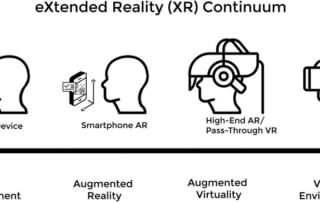
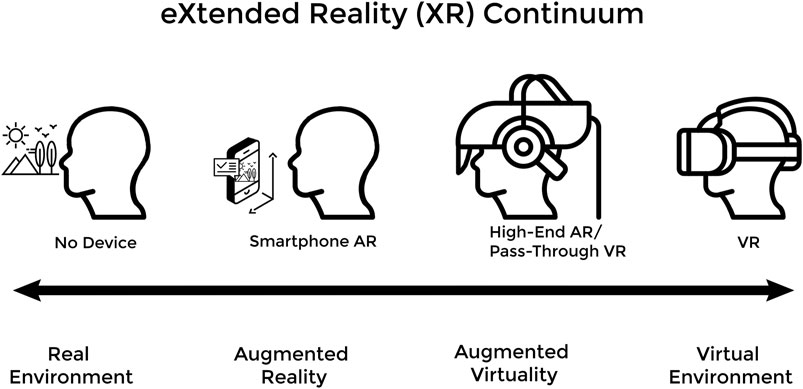
In the ever-evolving landscape of medical education, a new player has emerged, promising to revolutionize the way future doctors are trained. The integration of eXtended Reality (XR) technologies is reshaping the educational landscape by addressing the limitations of traditional methods.

Genetic Testing: A New Dawn in Healthcare

Genetic testing represents more than just a scientific advancement; it signifies a fundamental shift in how we approach health and wellness.

Sustainable Architecture: Blending Innovation with Ecological Responsibility

The journey toward sustainable architecture is ongoing, with each project serving as a beacon of what's achievable when creativity meets ecological awareness.

By |December 9, 2024|Categories: Architecture, Article, Sustainability|Tags: |0 Comments

AI in Clinical and Molecular Diagnostics: A Market on the Rise

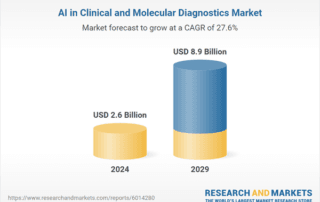
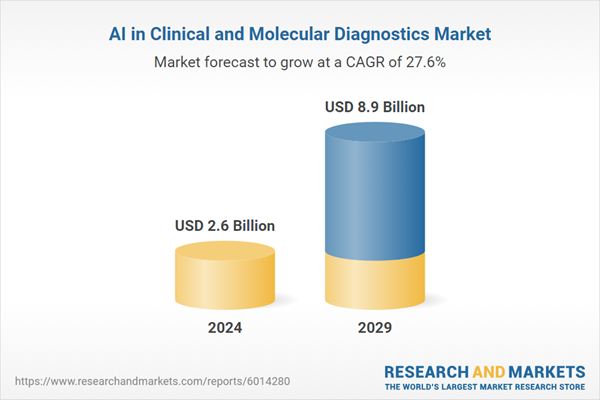
AI in Clinical and Molecular Diagnostics Market is set to experience remarkable growth, projected to surge from USD 2.6 billion in 2024 to USD 8.9 billion by 2029. This growth is driven by the integration of advanced AI technologies such as machine learning and deep learning into traditional diagnostic methodologies like imaging, genomics, and laboratory testing.

AI: A Revolution in Healthcare’s Future

AI is not a distant dream but a present reality, already integrated into everyday life through virtual assistants like Alexa and Siri. AI shows promise in enhancing medical accuracy, such as in predicting mesothelioma survival and improving colonoscopy accuracy, it is not intended to replace healthcare professionals.