In a world still grappling with the aftermath of the pandemic, in-person work policies are emerging as a beacon of hope for the commercial real estate sector. A recent study by a team of researchers, including New York University’s Arpit Gupta, University of North Carolina’s Vrinda Mittal, and Columbia University’s Stijin Van Nieuwerburgh, highlights the intricate dance between office policies and real estate demand.
The study underscores that work from home has significantly disrupted the value of commercial office real estate in the short and medium term. With office occupancy plummeting by 90% from February to March 2020, the impact of remote work was palpable. However, the researchers found that hybrid mandates and adding more in-office days could mitigate some of these challenges.
Data spanning from December 2019 to December 2023 reveals a fascinating correlation: companies with a one-day-a-week policy experienced a staggering 41% drop in office demand, whereas a two- or three-day-a-week policy saw only a 9% drop. Remarkably, those enforcing a four- or five-day in-office policy witnessed a 1% increase in demand for office space.
The report further notes that each additional day in the office translates into a 7% reduction in declining office values. This insight comes at a time when over 80% of CEOs are eager to bring employees back to the office full-time within the next three years, according to a KPMG survey.
Despite this push, companies are also rightsizing their leases in response to the evolving landscape of hybrid work. Last year’s leasing activity was 10% below prepandemic levels, with new leases plummeting from 414M SF in the second half of 2019 to 150M SF in the same period in 2023.
Interestingly, the study points out a trend towards luxe, Class-A office spaces, which are rich with amenities. These high-quality spaces have seen less decline in rent compared to their lower-quality counterparts, and in some cases, rents have even increased.
This comprehensive analysis, as detailed in the newly updated academic report, offers a nuanced perspective on how hybrid work is reshaping the office market’s recovery. For more details, you can read the original article on Bisnow.
More Articles
Getting licensed or staying ahead in your career can be a journey—but it doesn’t have to be overwhelming. Grab your favorite coffee or tea, take a moment to relax, and browse through our articles. Whether you’re just starting out or renewing your expertise, we’ve got tips, insights, and advice to keep you moving forward. Here’s to your success—one sip and one step at a time!
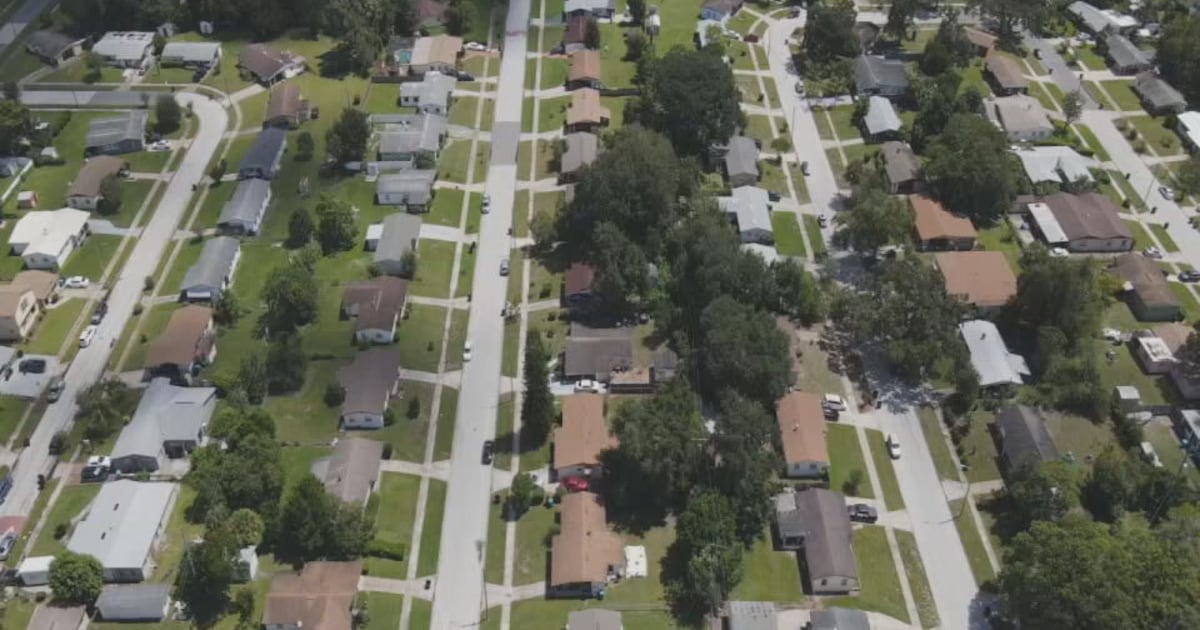
After years of soaring premiums and insurer instability, Florida’s property insurance market is finally turning a corner. Major carriers have filed 83 requests for rate decreases heading into 2026, with companies like Florida Peninsula and Patriot Select proposing cuts of 8.4% and 11.3%. Some homeowners may see relief as early as next month, signaling a long‑awaited shift toward market stability.
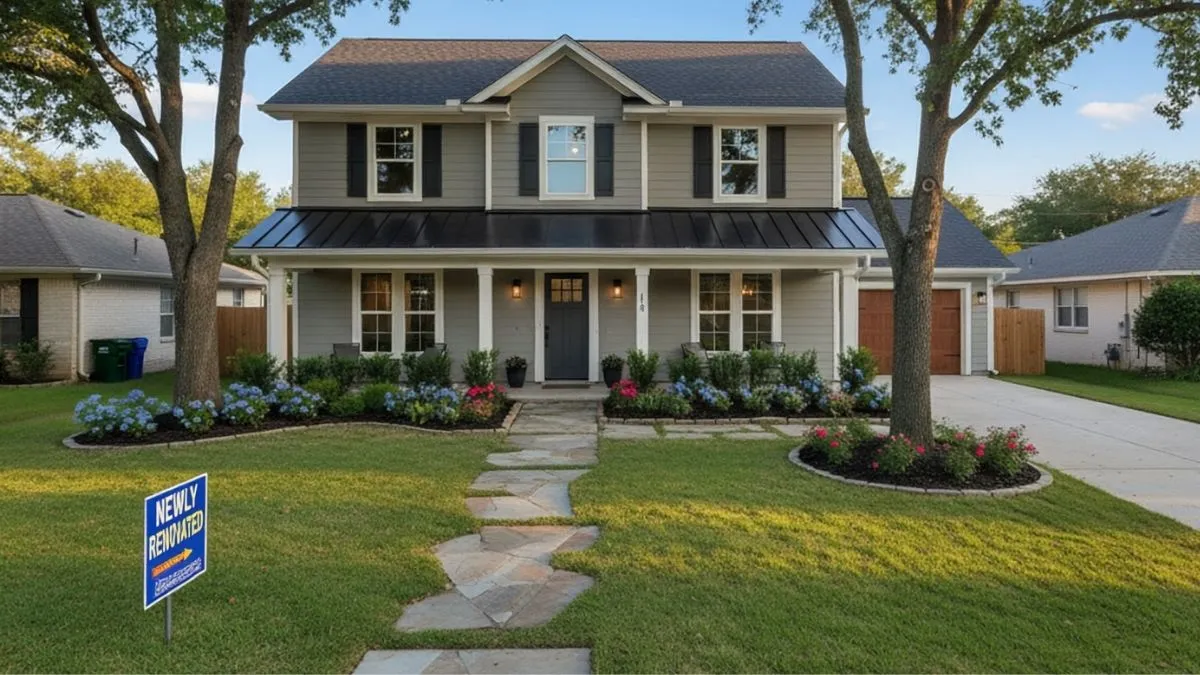
Fix-and-flip investing is gearing up for one of its strongest years in a decade as 2026 approaches. With cheaper capital, more accessible funding, easing interest rates, and long-awaited increases in housing inventory, investors are finding the perfect environment to launch or scale renovation-based real estate businesses. Renovation continues to outpace new construction in cost and speed, and demand for move-in-ready homes remains high, making 2026 a powerful opportunity window for both new and experienced investors.
After a short-lived period of relief in 2025, the U.S. rental market may be headed for a tighter, more expensive 2026. With construction starts dropping nearly 11% and completions plunging 42%, the surge of new apartments that helped lower rents is rapidly drying up. Rising costs, shrinking inventory, and a slowdown in new development point to a potential rental crunch that could leave renters facing heavier competition and higher prices across major markets next year.
The commercial real estate market is entering a rare reset that experts say mirrors the post‑2008 boom, creating a potential window for disciplined investors. With trillions in commercial debt coming due and property values dropping up to 40%, firms like AARE are positioning themselves to acquire assets below replacement cost—an advantage that could set the stage for significant long‑term growth.
Commercial real estate is entering a reinvention phase, with AI‑driven productivity, modernized office demand, experience‑focused retail, expanding industrial logistics, creative housing solutions, and sustainability‑centered design all accelerating nationwide. These six forces are shaping how investors, brokers, and future licensees will operate in a rapidly evolving U.S. market.
After years of economic uncertainty and cautious decision‑making, 2026 is shaping up to be the year professionals finally catch a break. AI is moving from buzzword to essential tool, capital markets are beginning to thaw, and hiring is picking up across real estate, mortgage, insurance, finance, and healthcare. With opportunity returning, many professionals are using this moment to upskill—pursuing new licenses, certifications, and cross‑industry expertise.