The Indiana General Assembly is currently navigating a transformative legislative session, with over 30 bills poised to reshape the state’s K-12 education system. As reported by WFYI, these proposals range from expanding universal vouchers to restructuring school district funding.
Universal Vouchers Expansion
One of the most significant proposals, House Bill 1001, aims to establish universal school vouchers. This would allow Indiana families to use state funds to attend private, parochial, or nonreligious schools through the Choice Scholarship Program. The projected cost exceeds $88 million in fiscal year 2026, escalating further in 2027.
Property Tax Reforms and School Funding Property tax reform is another focal point, with Senate Bill 1 proposing caps on property tax increases. This could significantly impact local government and school funding, potentially leading to a $1.91 billion loss over the next three fiscal years.
Transportation Sharing Pilot Program
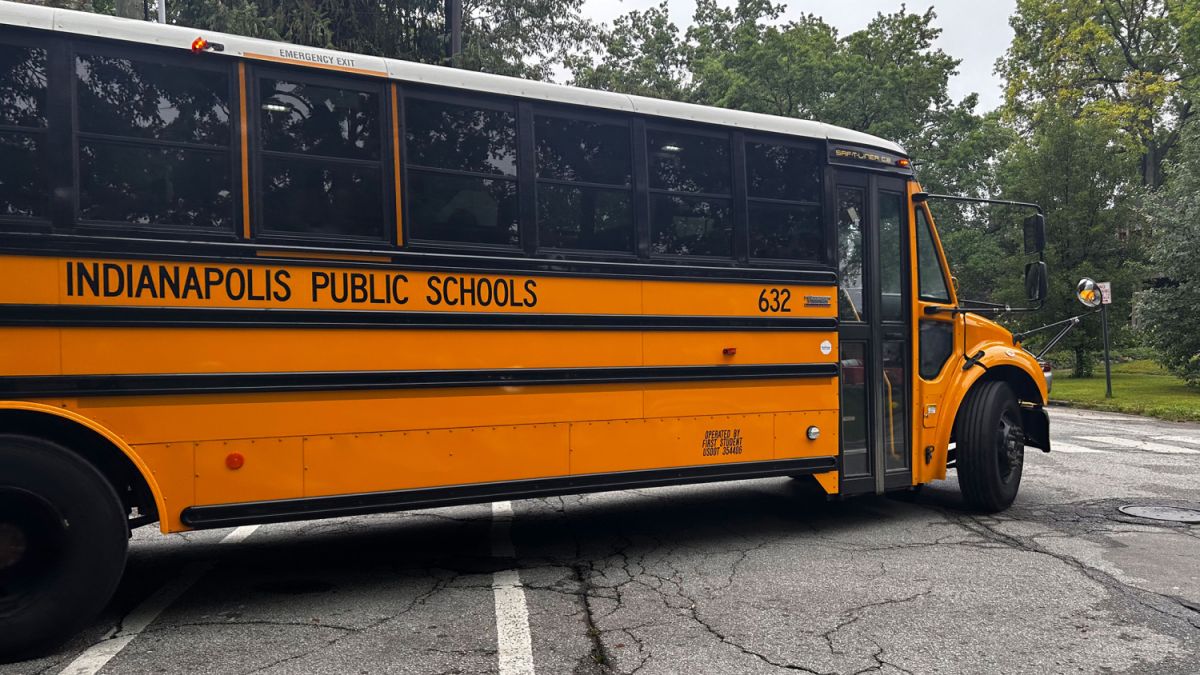
In a bid to optimize resources, House Bill 1501 proposes a pilot program for transportation sharing among districts like Indianapolis Public Schools and others. This initiative aims to create a centralized transportation board, potentially imposing property taxes for services after the pilot phase.
Some Indianapolis politicians and Republican state lawmakers want Indianapolis Public Schools to increase access to transportation for students who live in district boundaries. (Eric Weddle / WFYI)
District Restructuring and Charter School Conversions
Under House Bill 1136, several school districts, including Indianapolis Public Schools, could be dissolved and converted into charter schools due to enrollment shifts. This controversial proposal has sparked significant debate and concern among public school advocates.
Challenges to DEI and Literacy Training
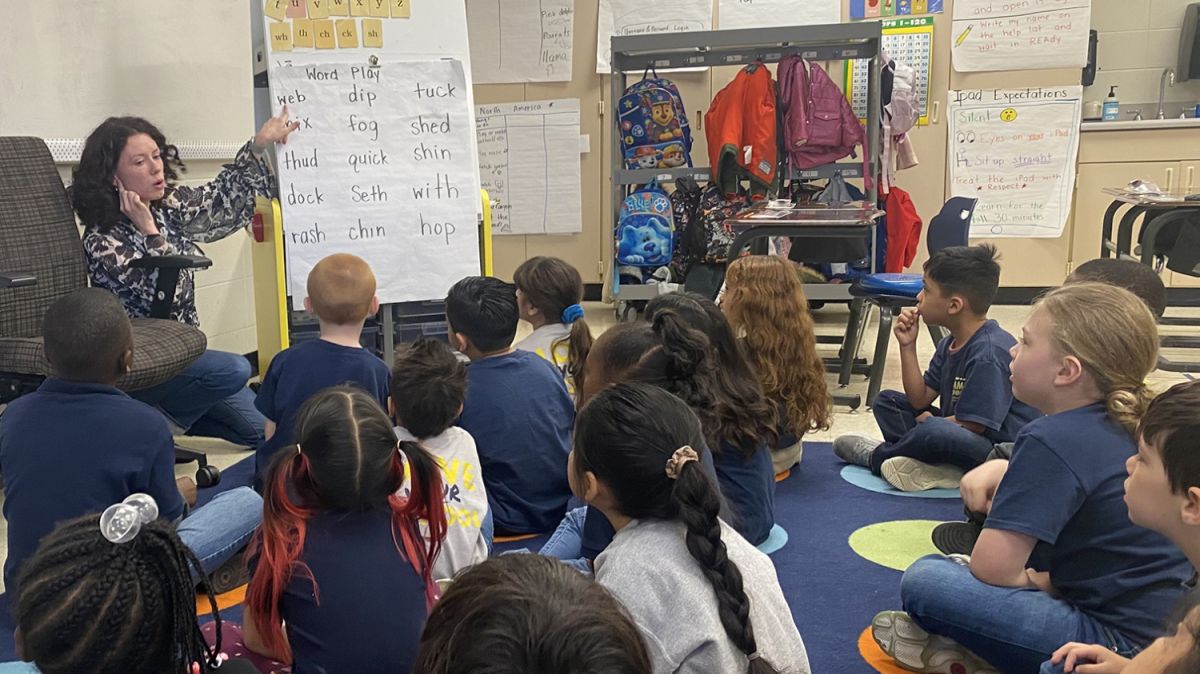
Senate Bill 289 challenges diversity, equity, and inclusion (DEI) initiatives by banning schools from compelling students to adopt certain beliefs. Additionally, Senate Bill 34 seeks to reduce teacher literacy training hours, addressing concerns over burdensome certification requirements.
Teacher Ivy Sullivan works on reading skills with kindergarten students at Adelante charter school in Indianapolis. (Elizabeth Gabriel / WFYI)
Ongoing Debates and Future Implications
These legislative efforts, led predominantly by House Republicans, are part of a broader initiative to revise Indiana’s education laws. As the session progresses, the impact of these bills on the state’s education landscape remains a subject of intense scrutiny and discussion.
For further details, explore the original article on WFYI’s website.
“`
More Articles
Getting licensed or staying ahead in your career can be a journey—but it doesn’t have to be overwhelming. Grab your favorite coffee or tea, take a moment to relax, and browse through our articles. Whether you’re just starting out or renewing your expertise, we’ve got tips, insights, and advice to keep you moving forward. Here’s to your success—one sip and one step at a time!
A new national survey shows that while most real estate agents now use AI for everyday tasks like writing listing descriptions and social posts, many remain uneasy trusting the technology with higher‑stakes responsibilities. Agents report major time savings and better communication thanks to AI, but lingering concerns about accuracy, compliance and data interpretation reveal a growing skills gap. The industry’s next big need: stronger AI tools, clearer standards and hands‑on training — a gap education providers like Cameron Academy are poised to fill.
Florida homeowners and real estate professionals are being crushed by skyrocketing insurance premiums, shrinking coverage, and a claims system stacked against consumers. While residents face the highest insurance costs in the nation, meaningful reform bills are being ignored in Tallahassee, leaving families, businesses, and the entire real estate market exposed.
Artificial intelligence is exposing the real estate industry's biggest weakness: fragmented, inconsistent data scattered across disconnected systems. Unlike finance and e‑commerce, real estate never built a unified digital foundation—and now AI can’t function without one. As companies scramble to standardize information, organizations like OSCRE are pushing shared data models that could transform everything from leasing to property management. The result may be the industry’s most collaborative era yet, where clean, interoperable data becomes the key to unlocking AI’s full power.
Off‑market networks, rising small‑investor buying, regulatory shifts, and intensifying portal competition are reshaping how homes are found and sold. With inventory tight and traditional listings declining, agents who understand investor behavior, private deal flow, and evolving rules are gaining a major edge in today’s fast‑changing housing landscape.
Despite state leaders celebrating stabilization, Florida homeowners continue to face some of the highest insurance premiums in the country. Local experts say rates have stopped skyrocketing but have settled at levels that feel permanently elevated—especially for older or coastal homes. With insurers still avoiding high‑risk areas and demanding costly home upgrades, many Floridians are questioning whether this expensive reality is here to stay.
California is pushing a landmark proposal that would force insurers to offer coverage to homeowners who meet state‑approved wildfire‑mitigation standards. The new SB 1076, known as the Insurance Coverage for Fire‑Safe Homes Act, aims to stabilize the state’s distressed insurance market by guaranteeing coverage for fire‑hardened homes starting in 2028—backed by strict penalties for insurers who refuse. As supporters rally and critics warn of market strain, the bill could reshape real estate, insurance, and lending practices across wildfire‑prone regions.