The Indiana General Assembly is currently navigating a transformative legislative session, with over 30 bills poised to reshape the state’s K-12 education system. As reported by WFYI, these proposals range from expanding universal vouchers to restructuring school district funding.
Universal Vouchers Expansion
One of the most significant proposals, House Bill 1001, aims to establish universal school vouchers. This would allow Indiana families to use state funds to attend private, parochial, or nonreligious schools through the Choice Scholarship Program. The projected cost exceeds $88 million in fiscal year 2026, escalating further in 2027.
Property Tax Reforms and School Funding Property tax reform is another focal point, with Senate Bill 1 proposing caps on property tax increases. This could significantly impact local government and school funding, potentially leading to a $1.91 billion loss over the next three fiscal years.
Transportation Sharing Pilot Program
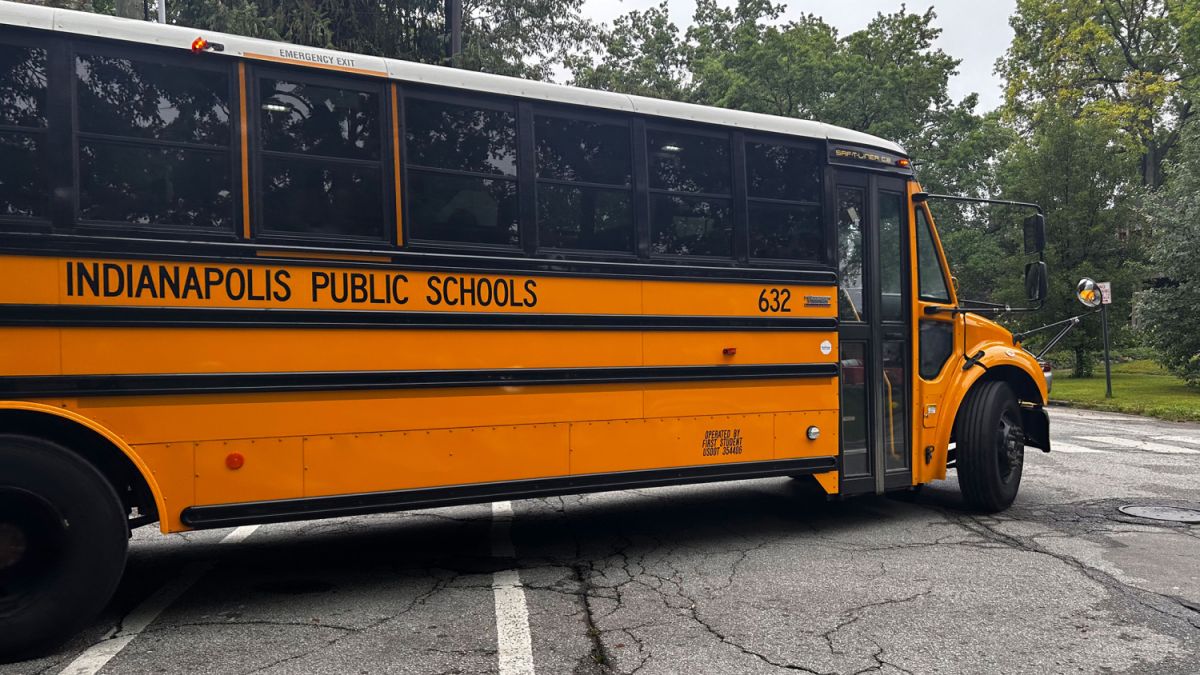
In a bid to optimize resources, House Bill 1501 proposes a pilot program for transportation sharing among districts like Indianapolis Public Schools and others. This initiative aims to create a centralized transportation board, potentially imposing property taxes for services after the pilot phase.
Some Indianapolis politicians and Republican state lawmakers want Indianapolis Public Schools to increase access to transportation for students who live in district boundaries. (Eric Weddle / WFYI)
District Restructuring and Charter School Conversions
Under House Bill 1136, several school districts, including Indianapolis Public Schools, could be dissolved and converted into charter schools due to enrollment shifts. This controversial proposal has sparked significant debate and concern among public school advocates.
Challenges to DEI and Literacy Training
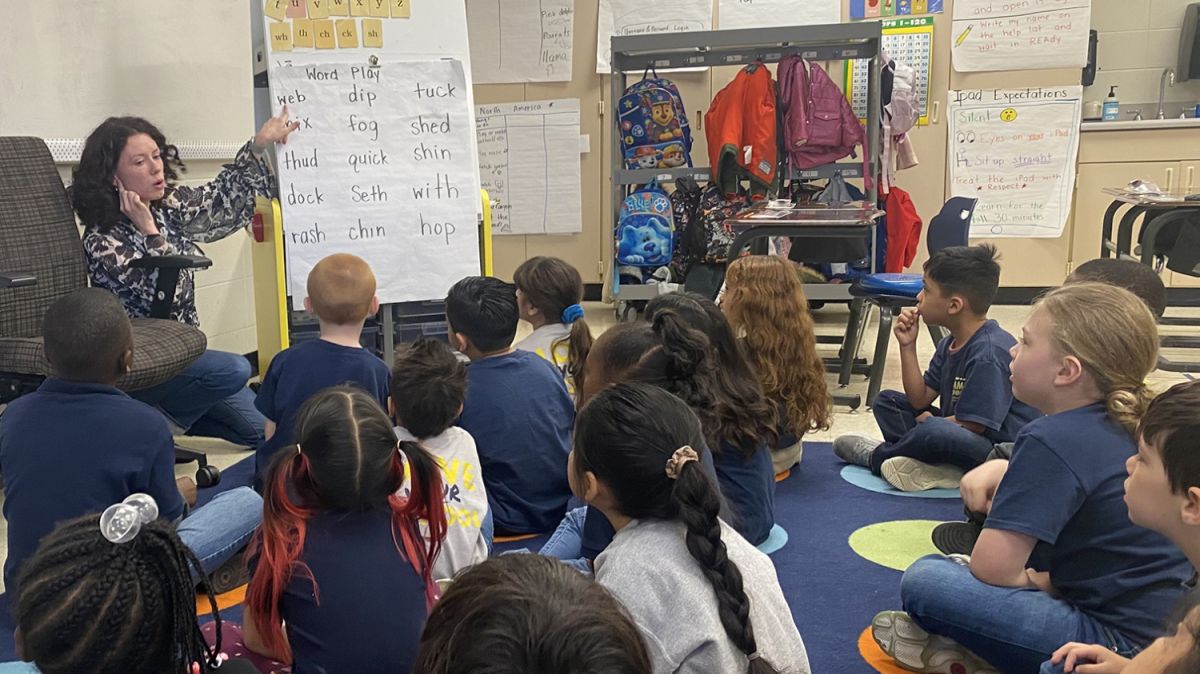
Senate Bill 289 challenges diversity, equity, and inclusion (DEI) initiatives by banning schools from compelling students to adopt certain beliefs. Additionally, Senate Bill 34 seeks to reduce teacher literacy training hours, addressing concerns over burdensome certification requirements.
Teacher Ivy Sullivan works on reading skills with kindergarten students at Adelante charter school in Indianapolis. (Elizabeth Gabriel / WFYI)
Ongoing Debates and Future Implications
These legislative efforts, led predominantly by House Republicans, are part of a broader initiative to revise Indiana’s education laws. As the session progresses, the impact of these bills on the state’s education landscape remains a subject of intense scrutiny and discussion.
For further details, explore the original article on WFYI’s website.
“`
More Articles
Getting licensed or staying ahead in your career can be a journey—but it doesn’t have to be overwhelming. Grab your favorite coffee or tea, take a moment to relax, and browse through our articles. Whether you’re just starting out or renewing your expertise, we’ve got tips, insights, and advice to keep you moving forward. Here’s to your success—one sip and one step at a time!
A growing share of American homeowners now carry mortgage rates above 5%—a dramatic shift that’s reshaping refinancing, inventory, and buyer behavior nationwide. With more than 30% of borrowers locked into rates over 5% and 20% above 6%, the market is split between owners holding on to low pandemic‑era loans and new buyers taking on higher‑rate mortgages. Federal efforts to push rates down could unlock millions of refinancing opportunities, while buyers see only modest monthly savings. For real estate professionals, understanding these rate dynamics is crucial as they increasingly drive inventory levels, affordability, and market activity.
New Moody’s data shows commercial real estate deal volume slipped 20% in December, marking a second monthly decline. Yet the full year tells a different story: 2025 ended with a 17% gain, signaling a quiet but resilient recovery. The biggest surprise came from the office sector, which posted a 21% jump in activity as return‑to‑office trends and AI‑driven job growth boosted demand. Multifamily, retail, and alternative assets like data centers also saw strong momentum, giving real estate professionals a market full of fresh opportunities heading into 2026.
Florida drivers and industry professionals are heading into 2026 with good news: auto insurance rates are dropping across the state as the market shows strong signs of stabilization. USAA leads the latest wave with a 7% average rate decrease expected in May 2026, saving members more than $125 million annually. They join several major insurers — including State Farm, Progressive, AAA, Allstate, and Florida Farm Bureau — all approving significant reductions. Officials credit recent legislative reforms, especially tort reform, for the improved loss ratios and renewed insurer confidence. With both auto and home insurance markets strengthening, Florida’s real estate, mortgage, and insurance professionals can expect more consumer confidence, smoother transactions, and expanding career opportunities.
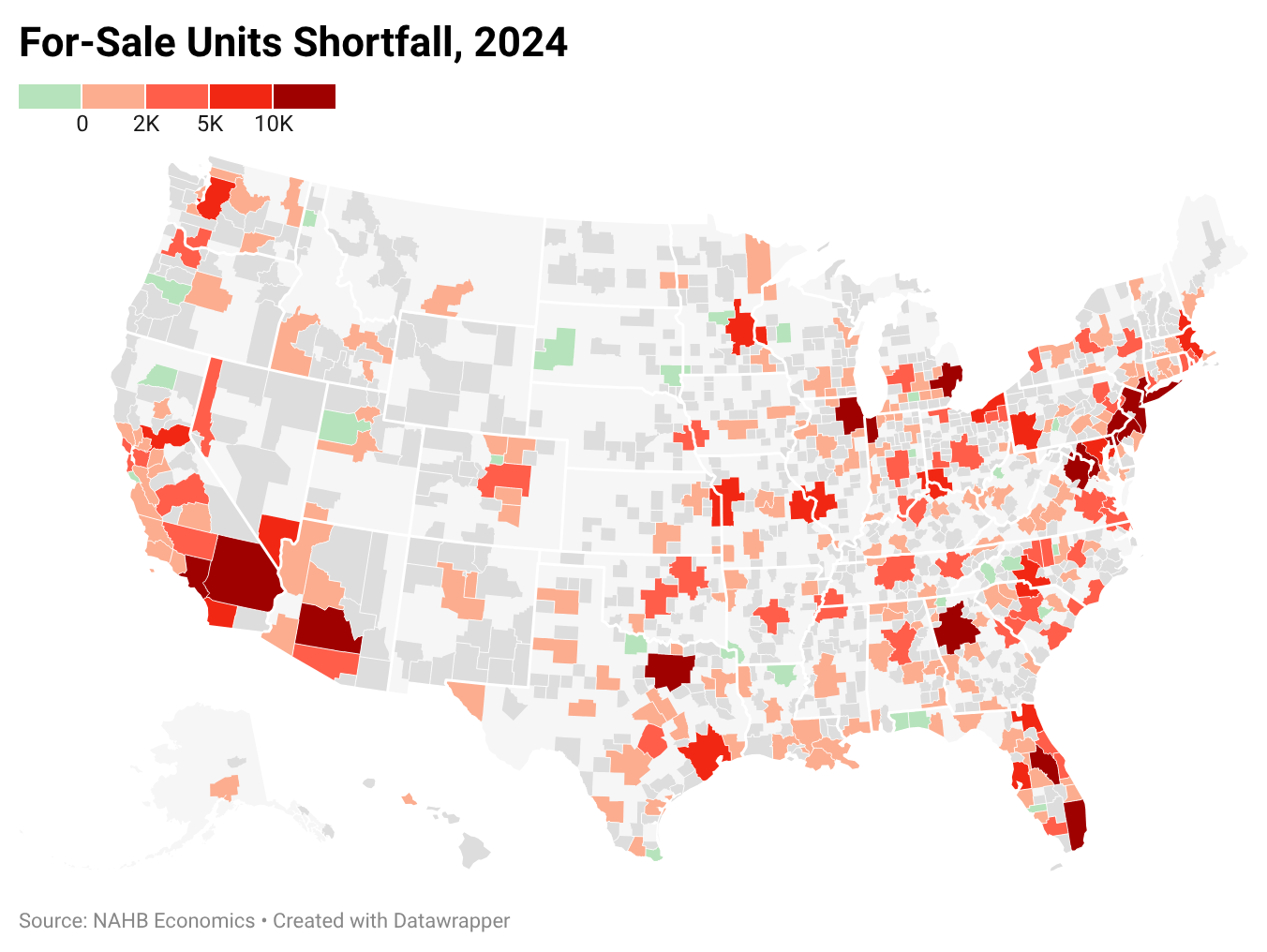
New data from Eye On Housing and the NAHB shows the U.S. remains short more than 1.2 million housing units, keeping pressure on both rents and home prices. Record‑low vacancy rates, slow single‑family construction, and restrictive zoning continue to fuel intense competition in 2024. Major metros like Chicago, New York, and Atlanta face some of the deepest deficits, and the true nationwide shortfall may be even higher when accounting for overcrowding and aging homes. For real estate professionals, the ongoing shortage means sustained demand, tighter inventory, and major opportunities for those who understand the evolving market.
Top real estate coach Jason Pantana says the divide between agents today isn’t about who has “tried” AI — it’s about who is immersed in it. In a new HousingWire interview, he explains why AI isn’t a gimmick but a full business system that amplifies output, improves authenticity, and reshapes how clients search for agents. From prompt mastery to AI‑driven visibility on Google, Pantana reveals how agents who commit even 15 minutes a day to learning AI are already outperforming those who hesitate.
Dallas–Fort Worth’s commercial real estate market closed 2025 with a split personality. Industrial dominated with massive new deliveries and soaring leasing demand, retail held steady with some of the market’s strongest fundamentals in years, and office continued to falter under remote‑work pressures. High vacancies, weak absorption, and rising demand for top‑tier space show the sector’s ongoing reset. Meanwhile, industrial and retail strength position the Metroplex for another powerhouse year heading into 2026.