The Indiana General Assembly is currently navigating a transformative legislative session, with over 30 bills poised to reshape the state’s K-12 education system. As reported by WFYI, these proposals range from expanding universal vouchers to restructuring school district funding.
Universal Vouchers Expansion
One of the most significant proposals, House Bill 1001, aims to establish universal school vouchers. This would allow Indiana families to use state funds to attend private, parochial, or nonreligious schools through the Choice Scholarship Program. The projected cost exceeds $88 million in fiscal year 2026, escalating further in 2027.
Property Tax Reforms and School Funding Property tax reform is another focal point, with Senate Bill 1 proposing caps on property tax increases. This could significantly impact local government and school funding, potentially leading to a $1.91 billion loss over the next three fiscal years.
Transportation Sharing Pilot Program
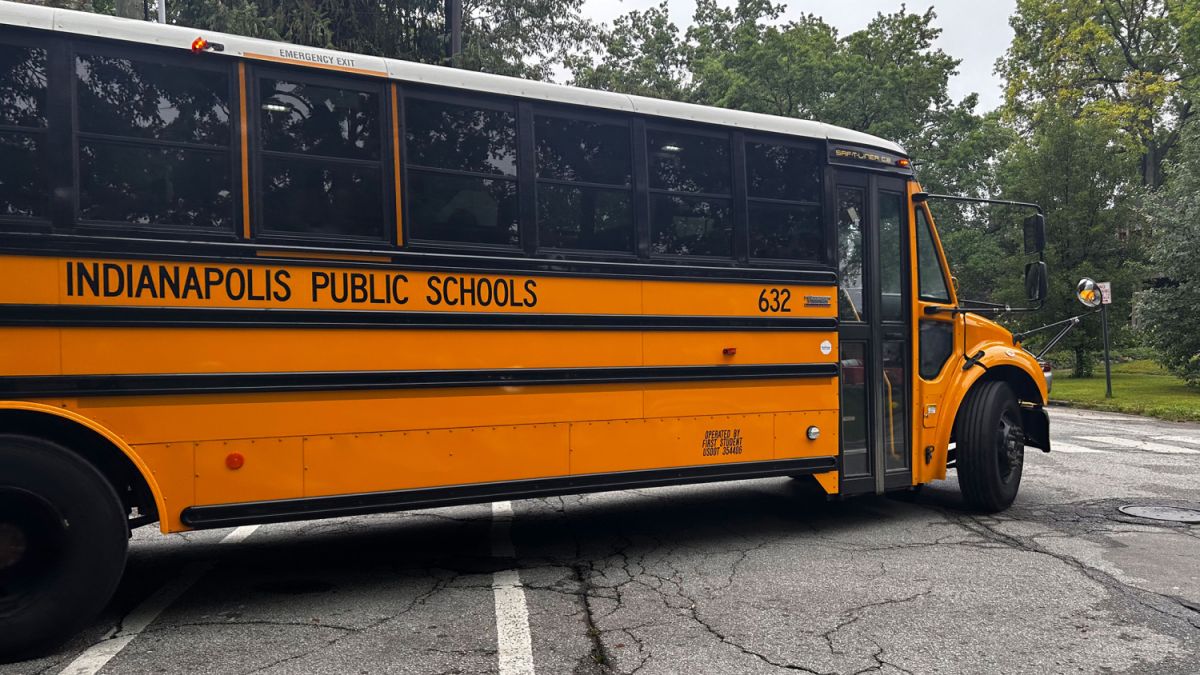
In a bid to optimize resources, House Bill 1501 proposes a pilot program for transportation sharing among districts like Indianapolis Public Schools and others. This initiative aims to create a centralized transportation board, potentially imposing property taxes for services after the pilot phase.
Some Indianapolis politicians and Republican state lawmakers want Indianapolis Public Schools to increase access to transportation for students who live in district boundaries. (Eric Weddle / WFYI)
District Restructuring and Charter School Conversions
Under House Bill 1136, several school districts, including Indianapolis Public Schools, could be dissolved and converted into charter schools due to enrollment shifts. This controversial proposal has sparked significant debate and concern among public school advocates.
Challenges to DEI and Literacy Training
Senate Bill 289 challenges diversity, equity, and inclusion (DEI) initiatives by banning schools from compelling students to adopt certain beliefs. Additionally, Senate Bill 34 seeks to reduce teacher literacy training hours, addressing concerns over burdensome certification requirements.
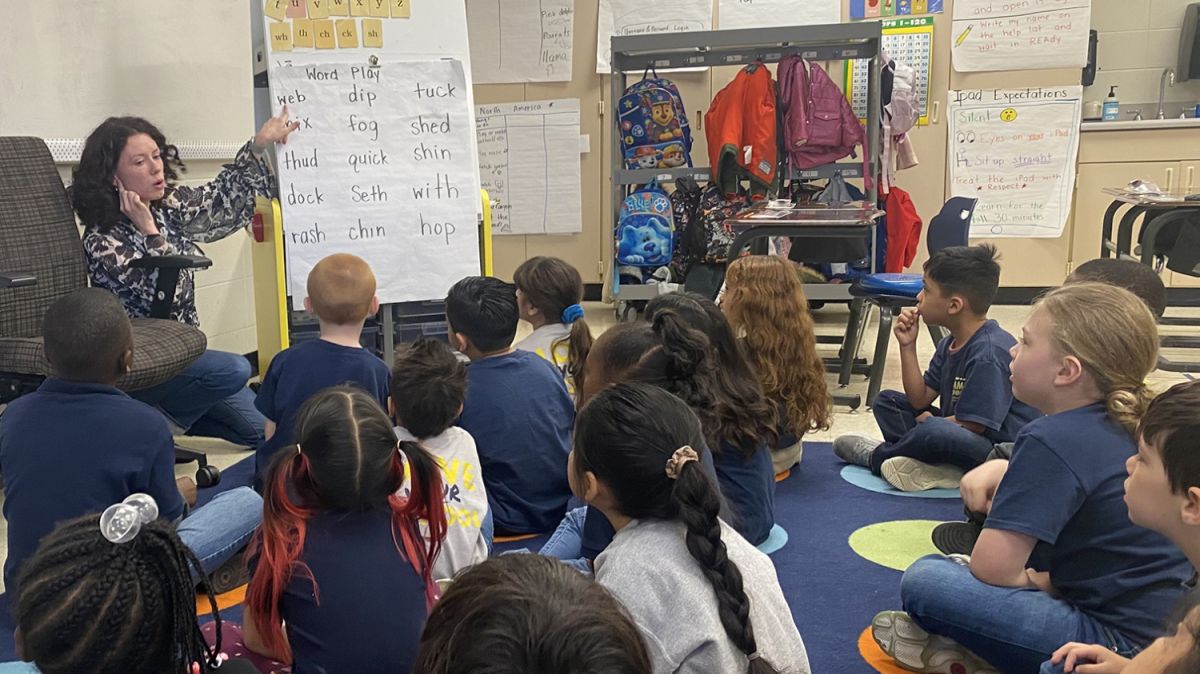
Teacher Ivy Sullivan works on reading skills with kindergarten students at Adelante charter school in Indianapolis. (Elizabeth Gabriel / WFYI)
Ongoing Debates and Future Implications
These legislative efforts, led predominantly by House Republicans, are part of a broader initiative to revise Indiana’s education laws. As the session progresses, the impact of these bills on the state’s education landscape remains a subject of intense scrutiny and discussion.
For further details, explore the original article on WFYI’s website.
“`
More Articles
Getting licensed or staying ahead in your career can be a journey—but it doesn’t have to be overwhelming. Grab your favorite coffee or tea, take a moment to relax, and browse through our articles. Whether you’re just starting out or renewing your expertise, we’ve got tips, insights, and advice to keep you moving forward. Here’s to your success—one sip and one step at a time!
After years of soaring premiums and insurer instability, Florida’s property insurance market is finally turning a corner. Major carriers have filed 83 requests for rate decreases heading into 2026, with companies like Florida Peninsula and Patriot Select proposing cuts of 8.4% and 11.3%. Some homeowners may see relief as early as next month, signaling a long‑awaited shift toward market stability.
Fix-and-flip investing is gearing up for one of its strongest years in a decade as 2026 approaches. With cheaper capital, more accessible funding, easing interest rates, and long-awaited increases in housing inventory, investors are finding the perfect environment to launch or scale renovation-based real estate businesses. Renovation continues to outpace new construction in cost and speed, and demand for move-in-ready homes remains high, making 2026 a powerful opportunity window for both new and experienced investors.
After a short-lived period of relief in 2025, the U.S. rental market may be headed for a tighter, more expensive 2026. With construction starts dropping nearly 11% and completions plunging 42%, the surge of new apartments that helped lower rents is rapidly drying up. Rising costs, shrinking inventory, and a slowdown in new development point to a potential rental crunch that could leave renters facing heavier competition and higher prices across major markets next year.
The commercial real estate market is entering a rare reset that experts say mirrors the post‑2008 boom, creating a potential window for disciplined investors. With trillions in commercial debt coming due and property values dropping up to 40%, firms like AARE are positioning themselves to acquire assets below replacement cost—an advantage that could set the stage for significant long‑term growth.
Commercial real estate is entering a reinvention phase, with AI‑driven productivity, modernized office demand, experience‑focused retail, expanding industrial logistics, creative housing solutions, and sustainability‑centered design all accelerating nationwide. These six forces are shaping how investors, brokers, and future licensees will operate in a rapidly evolving U.S. market.
After years of economic uncertainty and cautious decision‑making, 2026 is shaping up to be the year professionals finally catch a break. AI is moving from buzzword to essential tool, capital markets are beginning to thaw, and hiring is picking up across real estate, mortgage, insurance, finance, and healthcare. With opportunity returning, many professionals are using this moment to upskill—pursuing new licenses, certifications, and cross‑industry expertise.