The Indiana General Assembly is currently navigating a transformative legislative session, with over 30 bills poised to reshape the state’s K-12 education system. As reported by WFYI, these proposals range from expanding universal vouchers to restructuring school district funding.
Universal Vouchers Expansion
One of the most significant proposals, House Bill 1001, aims to establish universal school vouchers. This would allow Indiana families to use state funds to attend private, parochial, or nonreligious schools through the Choice Scholarship Program. The projected cost exceeds $88 million in fiscal year 2026, escalating further in 2027.
Property Tax Reforms and School Funding Property tax reform is another focal point, with Senate Bill 1 proposing caps on property tax increases. This could significantly impact local government and school funding, potentially leading to a $1.91 billion loss over the next three fiscal years.
Transportation Sharing Pilot Program
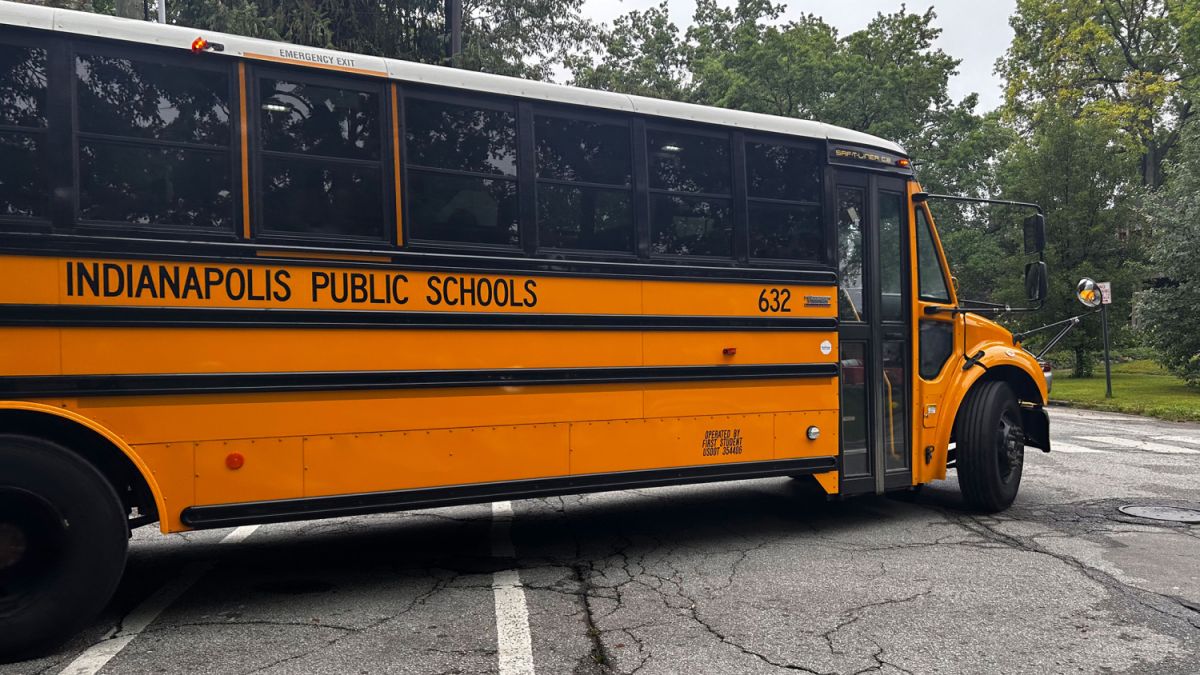
In a bid to optimize resources, House Bill 1501 proposes a pilot program for transportation sharing among districts like Indianapolis Public Schools and others. This initiative aims to create a centralized transportation board, potentially imposing property taxes for services after the pilot phase.
Some Indianapolis politicians and Republican state lawmakers want Indianapolis Public Schools to increase access to transportation for students who live in district boundaries. (Eric Weddle / WFYI)
District Restructuring and Charter School Conversions
Under House Bill 1136, several school districts, including Indianapolis Public Schools, could be dissolved and converted into charter schools due to enrollment shifts. This controversial proposal has sparked significant debate and concern among public school advocates.
Challenges to DEI and Literacy Training
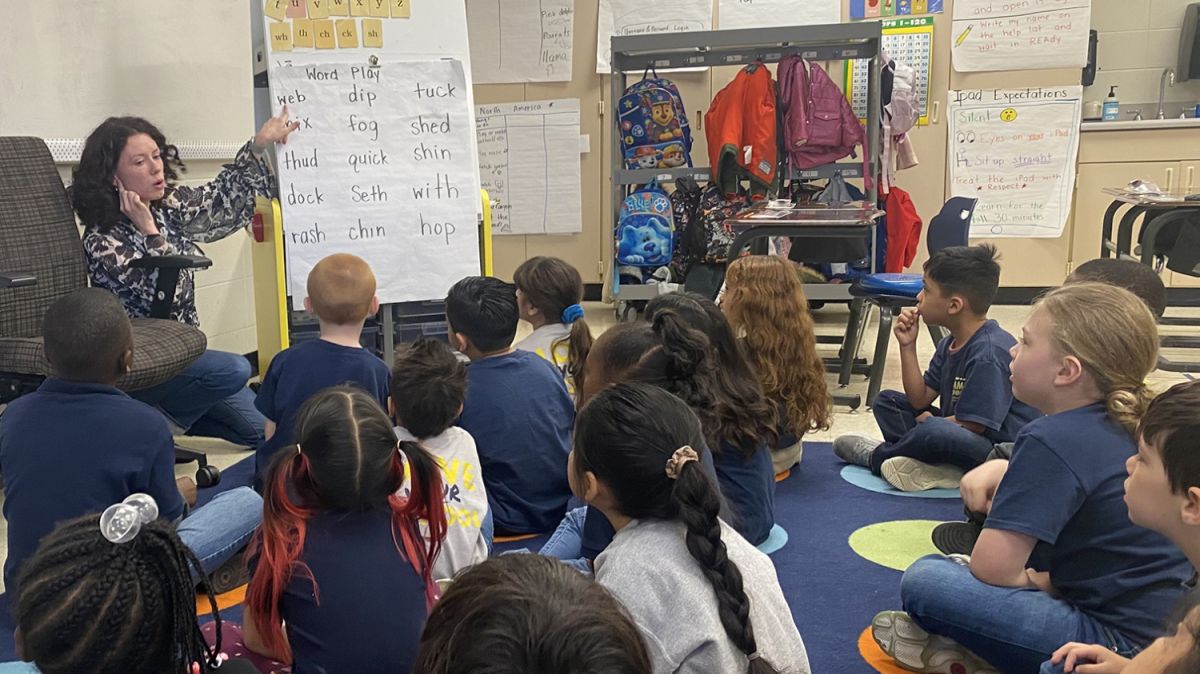
Senate Bill 289 challenges diversity, equity, and inclusion (DEI) initiatives by banning schools from compelling students to adopt certain beliefs. Additionally, Senate Bill 34 seeks to reduce teacher literacy training hours, addressing concerns over burdensome certification requirements.
Teacher Ivy Sullivan works on reading skills with kindergarten students at Adelante charter school in Indianapolis. (Elizabeth Gabriel / WFYI)
Ongoing Debates and Future Implications
These legislative efforts, led predominantly by House Republicans, are part of a broader initiative to revise Indiana’s education laws. As the session progresses, the impact of these bills on the state’s education landscape remains a subject of intense scrutiny and discussion.
For further details, explore the original article on WFYI’s website.
Getting licensed or staying ahead in your career can be a journey—but it doesn’t have to be overwhelming. Grab your favorite coffee or tea, take a moment to relax, and browse through our articles. Whether you’re just starting out or renewing your expertise, we’ve got tips, insights, and advice to keep you moving forward. Here’s to your success—one sip and one step at a time!
Commercial real estate is undergoing rapid transformation driven by flexible workspaces, booming industrial demand, sustainability priorities, and advanced building technology. As tenant expectations evolve, investors and professionals who adapt to modular work environments, e-commerce driven logistics growth, green building standards, and tech integrated properties will be best positioned for long term success in an increasingly dynamic market.
Florida homeowners are getting long-awaited relief as the state ends its 1 percent insurance surcharge two years ahead of schedule. The charge, originally added after multiple insurer failures, will officially conclude on October 1, saving residents an estimated 650 million dollars. While individual savings average about 31 dollars per policy, the move signals a healthier and more stable insurance market—welcome news for homeowners, buyers, and real estate professionals across the state.
This week’s biggest real estate tech updates are reshaping how agents market listings, how builders present inventory, and how sellers prep their homes. Canva and Rechat now offer a seamless MLS‑to‑marketing workflow, PulteGroup is expanding AI to create consistent digital listings, and Simplify Home is accelerating pre‑listing improvements with pay‑at‑closing options. These innovations highlight a clear trend: real estate pros who embrace smarter tools will move faster and win more business.
A new national analysis shows that where you choose to launch your career can dramatically impact your early financial stability, job growth, and long‑term success. Wyoming, Vermont, and the Dakotas offer the strongest opportunities for entry‑level professionals thanks to abundant jobs and affordable housing. Meanwhile, states like California and Hawaii present steep challenges with extremely limited openings and sky‑high living costs. For those eyeing real estate, mortgage, insurance, or finance careers, Florida remains competitive but promising—and Cameron Academy is ready to help you get licensed and career‑ready no matter where you start.
Florida lawmakers have approved HB 399, a sweeping land‑use overhaul that aims to expand housing supply but has sparked concern over weakened local authority and potential sprawl. Supporters argue the bill will ease affordability pressures, while opponents warn it sidelines voter-approved growth protections and shifts too much power toward developers. The measure now moves to the Senate, positioning it as a pivotal issue for real estate professionals navigating Florida’s evolving regulatory landscape.
A new study shows that buyers in the Florida Keys are gaining more influence over pricing and negotiations, signaling a cooling and maturing market heading into 2026. With increased leverage on the buyer side, real estate professionals must adapt their strategies—sharpening pricing analysis, negotiation skills, and market insights—to stay competitive in a shifting Monroe County landscape.