India’s Green Building Revolution: A Vision for 2025
As the world confronts the challenges of climate change,
India has positioned itself as a pivotal force in the global movement to reduce carbon emissions and foster sustainable development. The
green building sector, in particular, offers a promising avenue to address the environmental impact of rapid urbanization, blending ecological responsibility with economic potential. By 2025, the acceleration of
green building technologies in India is expected to gain momentum, fueled by policy support, technological innovations, and heightened stakeholder awareness.
In 2024, India achieved remarkable progress in lowering carbon emissions, fulfilling two out of three Nationally Determined Contributions (NDCs) as per the Paris Agreement ahead of schedule. Despite a projected 4.6% rise in fossil fuel emissions, India’s investment in renewable energy and robust regulatory frameworks underscores its commitment to
net-zero targets. This dedication is mirrored in the swift adoption of
green building practices, bolstered by initiatives like the annual Green Building Congress and measures in the Union Budget emphasizing net-zero construction and resource-efficient design.
Looking forward, the
green building market is anticipated to grow at a compound annual growth rate (CAGR) exceeding 5% through 2028, reflecting the increasing demand for environmentally conscious construction solutions. This aligns with global sustainability goals and positions the construction industry as a central player in discussions around
net-zero and
decarbonization.
Trends and Technologies Shaping the Future
As 2024 draws to a close, it’s crucial to examine the key trends and technologies poised to shape the
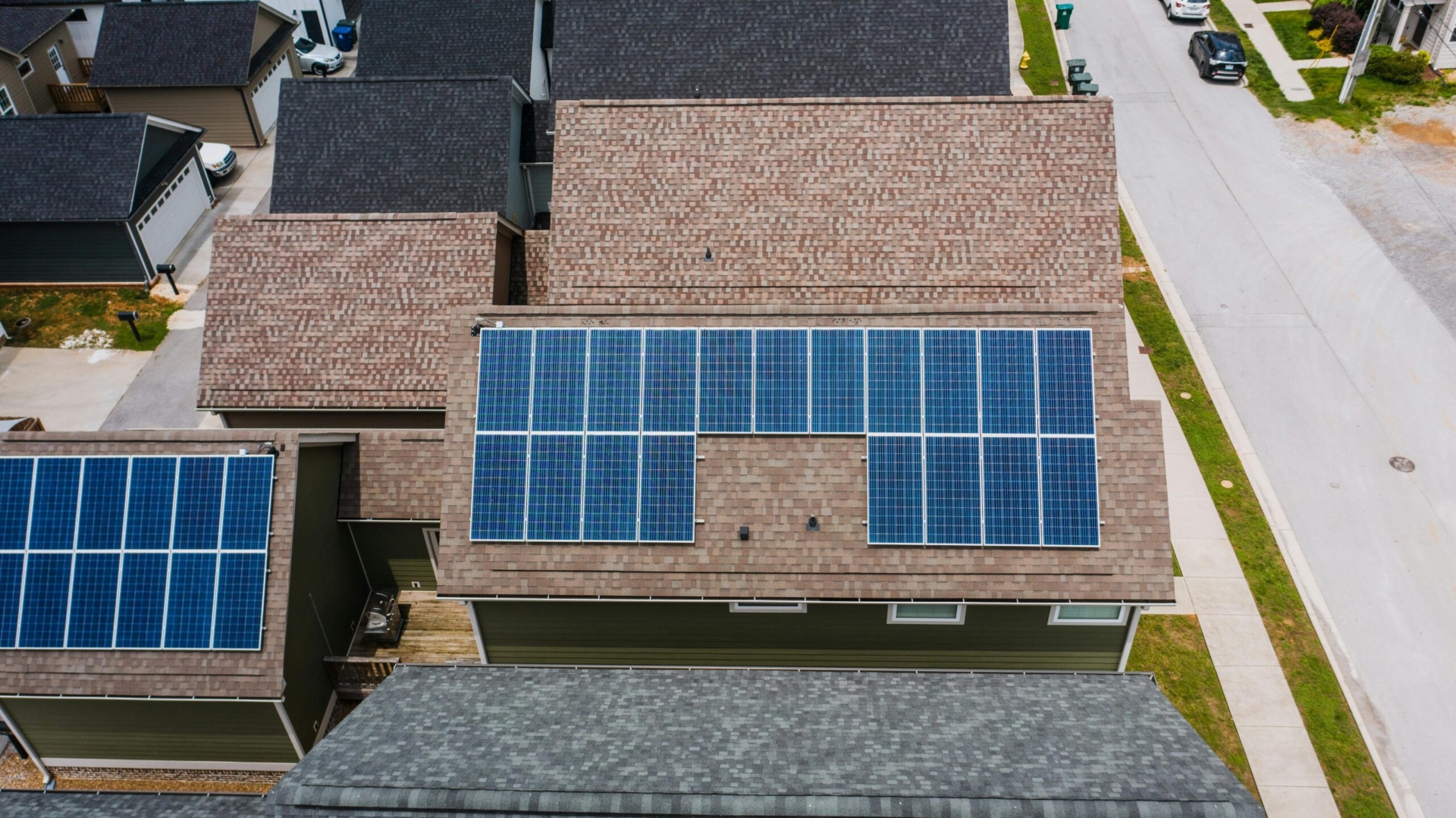
green building sector in the coming year. Innovations in AI, IoT, and other advanced technologies will enhance building management systems, making them more agile and efficient. The integration of renewable energy sources, particularly solar power, will be increasingly incorporated at the building design stage.
Building-integrated photovoltaics (BIPV) and advanced solar panel technologies will empower structures to generate their own clean energy, reducing reliance on fossil fuels.
The
residential buildings sector is expected to see significant growth, driven by consumers’ increasing preference for sustainable real estate investments. The proliferation of ‘micro units’ for independent homes and residential complexes will play a pivotal role in this expansion.
A Collaborative Approach to Decarbonization
The path to
decarbonizing buildings in India necessitates a multifaceted approach, integrating technology, policy, and community efforts. From renewable energy integration and smart building technologies to waste and water management strategies, solutions must be tailored to India’s diverse climate conditions and construction needs. A consultative approach, rather than a one-size-fits-all strategy, is essential for addressing the unique requirements of India’s building stock.
India stands on the cusp of a
green revolution in its construction sector, with tailored solutions crucial for driving progress toward a resilient, low-carbon future.
Author: Arun Awasthy, President & Managing Director, Johnson Controls India
Note: The opinions expressed in this article are those of the author and do not necessarily reflect the views of The Week.