India’s Green Building Revolution: A Vision for 2025

As the world confronts the challenges of climate change, India has positioned itself as a pivotal force in the global movement to reduce carbon emissions and foster sustainable development. The green building sector, in particular, offers a promising avenue to address the environmental impact of rapid urbanization, blending ecological responsibility with economic potential. By 2025, the acceleration of green building technologies in India is expected to gain momentum, fueled by policy support, technological innovations, and heightened stakeholder awareness.
In 2024, India achieved remarkable progress in lowering carbon emissions, fulfilling two out of three Nationally Determined Contributions (NDCs) as per the Paris Agreement ahead of schedule. Despite a projected 4.6% rise in fossil fuel emissions, India’s investment in renewable energy and robust regulatory frameworks underscores its commitment to net-zero targets. This dedication is mirrored in the swift adoption of green building practices, bolstered by initiatives like the annual Green Building Congress and measures in the Union Budget emphasizing net-zero construction and resource-efficient design.
Looking forward, the green building market is anticipated to grow at a compound annual growth rate (CAGR) exceeding 5% through 2028, reflecting the increasing demand for environmentally conscious construction solutions. This aligns with global sustainability goals and positions the construction industry as a central player in discussions around net-zero and decarbonization.

Trends and Technologies Shaping the Future

As 2024 draws to a close, it’s crucial to examine the key trends and technologies poised to shape the green building sector in the coming year. Innovations in AI, IoT, and other advanced technologies will enhance building management systems, making them more agile and efficient. The integration of renewable energy sources, particularly solar power, will be increasingly incorporated at the building design stage. Building-integrated photovoltaics (BIPV) and advanced solar panel technologies will empower structures to generate their own clean energy, reducing reliance on fossil fuels.
The residential buildings sector is expected to see significant growth, driven by consumers’ increasing preference for sustainable real estate investments. The proliferation of ‘micro units’ for independent homes and residential complexes will play a pivotal role in this expansion.

A Collaborative Approach to Decarbonization

The path to decarbonizing buildings in India necessitates a multifaceted approach, integrating technology, policy, and community efforts. From renewable energy integration and smart building technologies to waste and water management strategies, solutions must be tailored to India’s diverse climate conditions and construction needs. A consultative approach, rather than a one-size-fits-all strategy, is essential for addressing the unique requirements of India’s building stock.
India stands on the cusp of a green revolution in its construction sector, with tailored solutions crucial for driving progress toward a resilient, low-carbon future.
Author: Arun Awasthy, President & Managing Director, Johnson Controls India

Note: The opinions expressed in this article are those of the author and do not necessarily reflect the views of The Week.


More Articles

Getting licensed or staying ahead in your career can be a journey—but it doesn’t have to be overwhelming. Grab your favorite coffee or tea, take a moment to relax, and browse through our articles. Whether you’re just starting out or renewing your expertise, we’ve got tips, insights, and advice to keep you moving forward. Here’s to your success—one sip and one step at a time!

Commercial Real Estate Slows Again as Investors Flock to Larger, Safer Deals

November marked another cooldown for commercial real estate, with total deal volume dropping 10% year over year and falling below even 2020’s levels. While overall activity is slowing, investors are concentrating their money on bigger, more resilient assets—driving a 51% surge in deals over $100 million and pushing average transaction sizes well above historical norms. Multifamily remains the strongest sector, office deals are becoming more strategically focused, and medical office and data centers continue to outperform as long‑term demand stays solid.

Lower Rates Could Spark a Commercial Real Estate Comeback in 2026

After years of stalled activity, commercial real estate may finally be nearing a rebound. Experts say that expected interest‑rate drops in 2026 could reignite investor confidence, unlock sidelined capital, and boost deal flow across multiple sectors. But the outlook isn’t uniformly sunny—multifamily faces oversupply, industrial is cooling after years of rapid growth, and weakening employment conditions may slow absorption. For professionals across real estate, mortgage, insurance, and finance, the shifting landscape presents both challenges and major opportunities for those who stay informed and properly licensed.

Consumer Reports Warns Congress About Rising Fintech Risks in 2026

Consumer Reports delivered a major warning to Congress, highlighting how rapidly expanding fintech tools—especially AI‑driven platforms—are outpacing consumer protections. In testimony before the House Subcommittee on Digital Assets, Financial Technology and AI, CR called for stronger, clearer rules to prevent hidden fees, predatory practices, and confusion within digital financial products. For professionals in real estate, mortgages, insurance, and finance, these emerging regulations may soon influence lending decisions, underwriting, credit evaluations, and compliance expectations across the industry.

Amazon’s Massive Corporate Shakeup Signals a New Era of AI‑Driven Workforce Transformation

Amazon is preparing to cut up to 30,000 corporate jobs by mid‑2026 as it pivots aggressively toward automation and AI. Following 14,000 layoffs in late 2025, the company is eliminating layers of management to redirect billions into robotics, generative AI systems, and supercomputing partnerships. While warehouse hiring continues for seasonal demand, Amazon’s internal shift reveals a broader nationwide trend: white‑collar roles across tech, finance, logistics, and more are being reshaped by automation at unprecedented speed.

Chuck Bonfiglio Steps In as 2026 Florida Realtors President, Signaling a Year of Big Industry Shifts

Florida’s real estate market enters 2026 with new leadership at the helm as Chuck Bonfiglio, broker-owner of AAA Realty Group, is officially installed as President of Florida Realtors. With more than 230,000 members behind the association, Bonfiglio highlights affordability, insurance reform, and taxes as key priorities while expressing optimism about easing mortgage rates, stabilizing prices, and growing inventory. Backed by years of statewide and national Realtor leadership, he aims to guide professionals through another transformative year alongside a newly appointed 2026 leadership team.

Tampa’s Real Estate Market Enters Its Selective Era

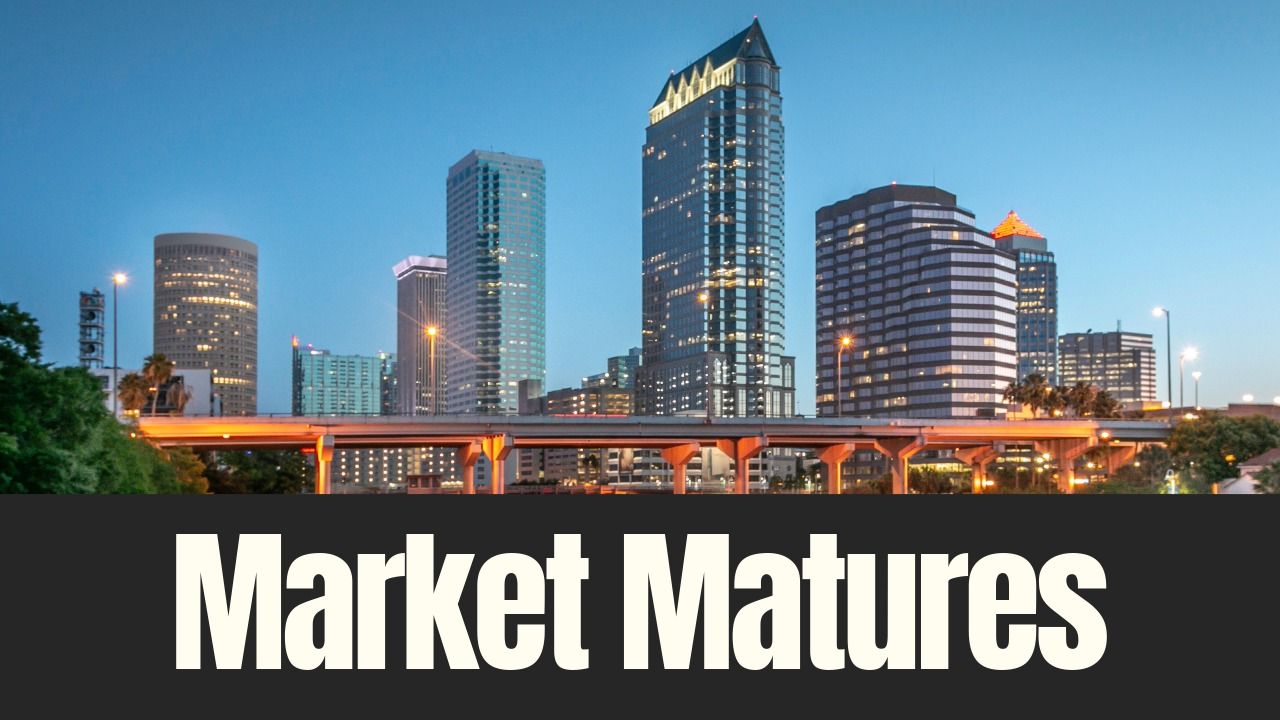
Tampa isn’t cooling off—it’s getting smarter. After years of rapid expansion, the city’s commercial real estate market has shifted into a more disciplined, selective phase. Population growth remains strong, office leasing is outperforming national trends, industrial activity is normalizing sustainably, and retail is seeing renewed investor confidence. With capital becoming more cautious and health care real estate emerging as a major growth sector, Tampa is entering a new era focused on strategy, execution, and long‑term fundamentals.