India’s Green Building Revolution: A Vision for 2025

As the world confronts the challenges of climate change, India has positioned itself as a pivotal force in the global movement to reduce carbon emissions and foster sustainable development. The green building sector, in particular, offers a promising avenue to address the environmental impact of rapid urbanization, blending ecological responsibility with economic potential. By 2025, the acceleration of green building technologies in India is expected to gain momentum, fueled by policy support, technological innovations, and heightened stakeholder awareness.
In 2024, India achieved remarkable progress in lowering carbon emissions, fulfilling two out of three Nationally Determined Contributions (NDCs) as per the Paris Agreement ahead of schedule. Despite a projected 4.6% rise in fossil fuel emissions, India’s investment in renewable energy and robust regulatory frameworks underscores its commitment to net-zero targets. This dedication is mirrored in the swift adoption of green building practices, bolstered by initiatives like the annual Green Building Congress and measures in the Union Budget emphasizing net-zero construction and resource-efficient design.
Looking forward, the green building market is anticipated to grow at a compound annual growth rate (CAGR) exceeding 5% through 2028, reflecting the increasing demand for environmentally conscious construction solutions. This aligns with global sustainability goals and positions the construction industry as a central player in discussions around net-zero and decarbonization.

Trends and Technologies Shaping the Future

As 2024 draws to a close, it’s crucial to examine the key trends and technologies poised to shape the green building sector in the coming year. Innovations in AI, IoT, and other advanced technologies will enhance building management systems, making them more agile and efficient. The integration of renewable energy sources, particularly solar power, will be increasingly incorporated at the building design stage. Building-integrated photovoltaics (BIPV) and advanced solar panel technologies will empower structures to generate their own clean energy, reducing reliance on fossil fuels.
The residential buildings sector is expected to see significant growth, driven by consumers’ increasing preference for sustainable real estate investments. The proliferation of ‘micro units’ for independent homes and residential complexes will play a pivotal role in this expansion.

A Collaborative Approach to Decarbonization

The path to decarbonizing buildings in India necessitates a multifaceted approach, integrating technology, policy, and community efforts. From renewable energy integration and smart building technologies to waste and water management strategies, solutions must be tailored to India’s diverse climate conditions and construction needs. A consultative approach, rather than a one-size-fits-all strategy, is essential for addressing the unique requirements of India’s building stock.
India stands on the cusp of a green revolution in its construction sector, with tailored solutions crucial for driving progress toward a resilient, low-carbon future.
Author: Arun Awasthy, President & Managing Director, Johnson Controls India

Note: The opinions expressed in this article are those of the author and do not necessarily reflect the views of The Week.


More Articles

Getting licensed or staying ahead in your career can be a journey—but it doesn’t have to be overwhelming. Grab your favorite coffee or tea, take a moment to relax, and browse through our articles. Whether you’re just starting out or renewing your expertise, we’ve got tips, insights, and advice to keep you moving forward. Here’s to your success—one sip and one step at a time!

A New Blueprint for True Florida Affordability: Jayden D’Onofrio Pushes for Real Relief in 2026

Florida families are feeling the squeeze as everyday costs, insurance premiums, and homeownership barriers continue to climb. House District 102 candidate Jayden D’Onofrio is calling for a broader, more unified affordability strategy—one that tackles the state’s insurance crisis, supports first‑time homebuyers, and restores real competition in the market. His message centers on transparency, practical solutions, and keeping Florida livable for the professionals, workers, and families who power its economy.

Health Insurance Shake‑Up: America’s Coverage Markets Enter a New Era

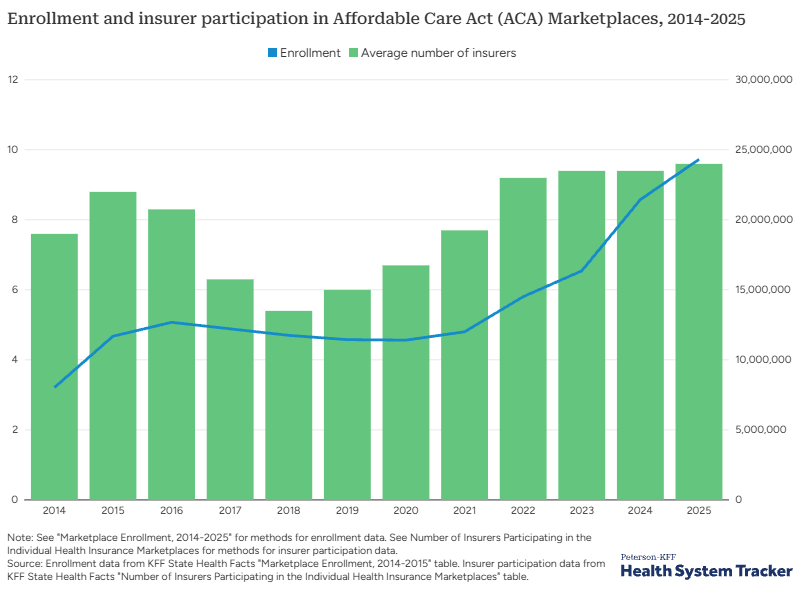
A decade of dramatic change is reshaping America’s health insurance markets. Employer group plans are becoming increasingly dominated by a few powerful insurers, while the ACA individual marketplace is experiencing record‑breaking competition and enrollment. Self‑funded plans are surging, small‑group premiums are driving employers to new coverage models, and major policy shifts in 2025 could redefine affordability for millions. This data‑driven Peterson‑KFF analysis breaks down the trends every insurance, finance, and business professional needs to understand as the industry enters a transformative new era.

Florida’s Next Mega‑Development: Winchester Ranch Set to Transform North Port

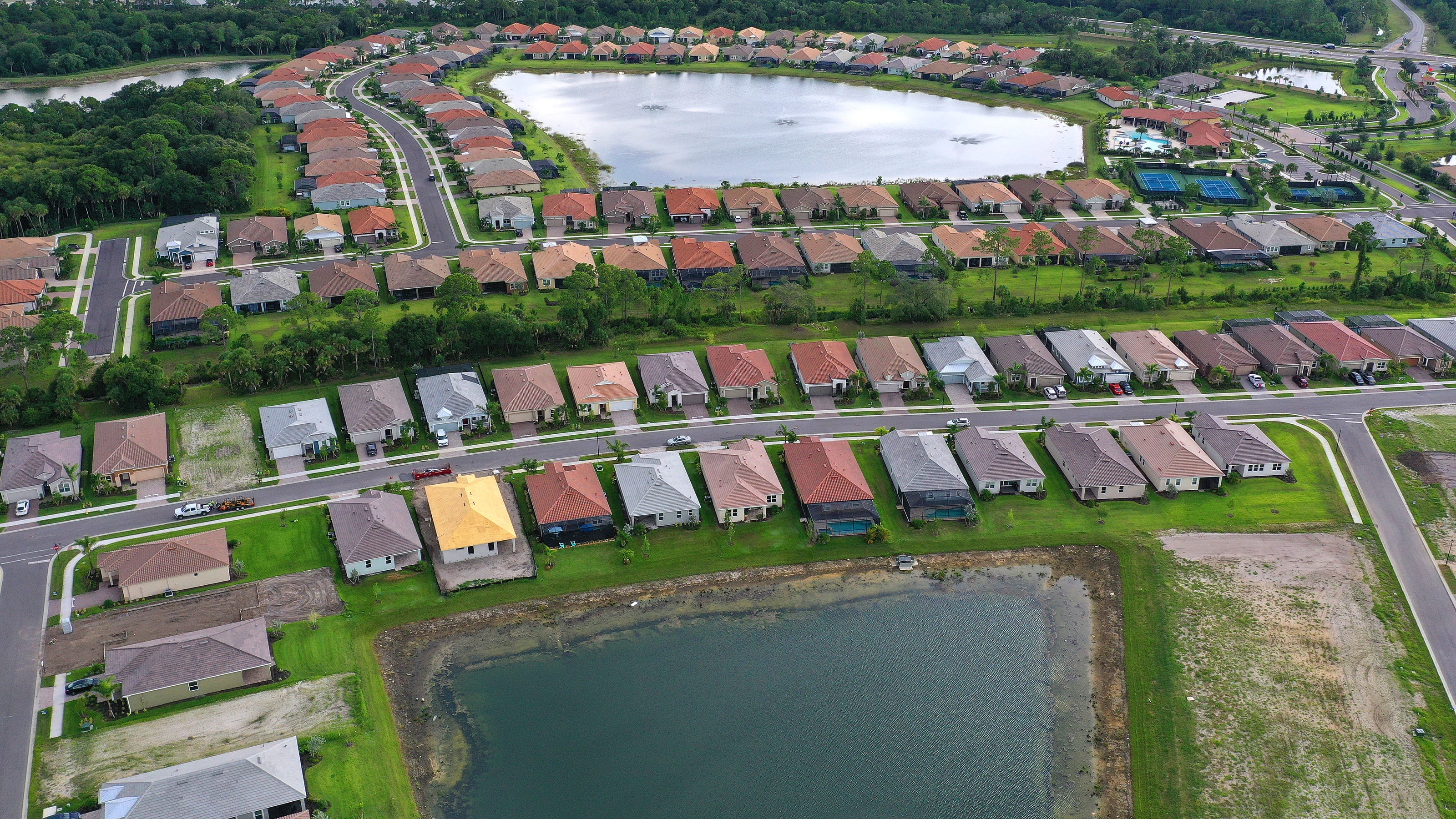
Sarasota County is inching closer to approving Winchester Ranch, a massive 8,999‑home community planned for more than 3,100 acres in North Port. With a 7‑1 vote from the Planning Commission and a final decision expected in early 2026, the project could become one of Southwest Florida’s largest developments in decades—bringing new housing, commercial space, and industry while raising fresh questions about growth, the environment, and the region’s rapidly evolving real estate market.

Lument Finance Trust Closes $664 Million CRE CLO, Signaling Strength in 2025 Markets

Lument Finance Trust has closed a major $663.8 million commercial real estate CLO, marking one of the standout CRE finance deals of 2025. The transaction, LMNT 2025-FL3, features a strong reinvestment period, non‑recourse and non‑mark‑to‑market financing, and a diversified pool of 32 loans tied to 49 properties nationwide. With J.P. Morgan leading the structuring and more than $585 million placed in investment‑grade securities, the deal highlights renewed stability in transitional CRE debt—making it a development real estate and finance professionals will want to watch closely.

Walmart Launches America’s Largest 3D‑Printed Commercial Building Initiative

Walmart has partnered with Alquist 3D to roll out the nation’s first large‑scale wave of 3D‑printed commercial buildings, signaling a major shift in how future retail and industrial spaces will be constructed. After completing an 8,000‑square‑foot 3D‑printed expansion in Tennessee—the largest of its kind—the company is moving forward with over a dozen new projects nationwide, accelerating a tech‑driven transformation in commercial real estate.

Citizens Insurance Proposes 2026 Rate Cuts, Signaling Relief for Florida’s Property Market

Citizens Property Insurance Corp. is recommending statewide rate reductions for 2026—the first proposed decrease in more than a decade. Most Citizens policyholders could see an average 11.5% drop, reflecting recent insurance‑market reforms that have stabilized Florida’s turbulent property sector. With hundreds of thousands of policies moving back to private insurers and state‑backed Citizens shrinking to record‑low enrollment, real estate and insurance professionals should prepare for how lower premiums may influence affordability, buyer confidence, and market activity heading into 2026.