India’s Precision Medicine: A Vision Hindered by Biobank Regulations
Precision medicine, a transformative approach to healthcare, is redefining the landscape of disease diagnosis and treatment. From groundbreaking personalised healthcare solutions to innovations like mRNA vaccines and gene-editing technologies, the field promises a new era in medical science. Yet, as India stands on the cusp of this revolution, a significant hurdle looms: the lack of robust biobank regulations.
Biobanks, essential repositories of biological samples, are critical to the success of precision medicine. These collections of blood, DNA, and tissue samples, coupled with genetic data, form the backbone of research aimed at developing targeted therapies for diseases like cancer and diabetes. However, as highlighted in a recent analysis by The Hindu, India’s inconsistent biobank regulations threaten public trust and impede progress.
The Promise of Precision Medicine
In recent years, precision medicine has witnessed remarkable achievements. Through gene therapy, researchers have restored vision in individuals with genetic mutations, while in the U.K., scientists have reversed diabetes using reengineered stem cells. The rapid development of COVID-19 vaccines using the mRNA platform, which earned a Nobel Prize, further underscores the potential of precision medicine.
India’s Growing Market
The Indian precision medicine market is burgeoning, with projections estimating a value exceeding $5 billion by 2030. Initiatives like the BioE3 policy and the approval of NexCAR19, a domestically developed CAR-T cell therapy, mark significant strides. However, the true potential of these advancements lies in aligning biobank regulations with international standards.
The Biobank Conundrum
While countries like the U.K., U.S., and Japan have comprehensive biobank regulations ensuring data protection and privacy, India’s framework remains fragmented. The absence of a single authority to regulate biobanks and the lack of penalties for misconduct create risks of ethical violations and undermine public confidence. As the ICMR guidelines illustrate, participants often consent to provide samples without clarity on data usage, raising concerns about privacy and potential discrimination.
A Path Forward
To harness the full potential of precision medicine, India must establish stringent biobank regulations. Aligning with global standards will not only bolster public trust but also position India as a leader in next-generation therapeutics. As part of international groups like the Quad and BRICS, India has the opportunity to expand its pharmaceutical leadership and enhance its soft diplomatic efforts.
Manjeera Gowravaram, a PhD in RNA biochemistry, provides insightful analysis on the intersection of science and policy.
More Articles
Getting licensed or staying ahead in your career can be a journey—but it doesn’t have to be overwhelming. Grab your favorite coffee or tea, take a moment to relax, and browse through our articles. Whether you’re just starting out or renewing your expertise, we’ve got tips, insights, and advice to keep you moving forward. Here’s to your success—one sip and one step at a time!
A growing share of American homeowners now carry mortgage rates above 5%—a dramatic shift that’s reshaping refinancing, inventory, and buyer behavior nationwide. With more than 30% of borrowers locked into rates over 5% and 20% above 6%, the market is split between owners holding on to low pandemic‑era loans and new buyers taking on higher‑rate mortgages. Federal efforts to push rates down could unlock millions of refinancing opportunities, while buyers see only modest monthly savings. For real estate professionals, understanding these rate dynamics is crucial as they increasingly drive inventory levels, affordability, and market activity.
New Moody’s data shows commercial real estate deal volume slipped 20% in December, marking a second monthly decline. Yet the full year tells a different story: 2025 ended with a 17% gain, signaling a quiet but resilient recovery. The biggest surprise came from the office sector, which posted a 21% jump in activity as return‑to‑office trends and AI‑driven job growth boosted demand. Multifamily, retail, and alternative assets like data centers also saw strong momentum, giving real estate professionals a market full of fresh opportunities heading into 2026.
Florida drivers and industry professionals are heading into 2026 with good news: auto insurance rates are dropping across the state as the market shows strong signs of stabilization. USAA leads the latest wave with a 7% average rate decrease expected in May 2026, saving members more than $125 million annually. They join several major insurers — including State Farm, Progressive, AAA, Allstate, and Florida Farm Bureau — all approving significant reductions. Officials credit recent legislative reforms, especially tort reform, for the improved loss ratios and renewed insurer confidence. With both auto and home insurance markets strengthening, Florida’s real estate, mortgage, and insurance professionals can expect more consumer confidence, smoother transactions, and expanding career opportunities.
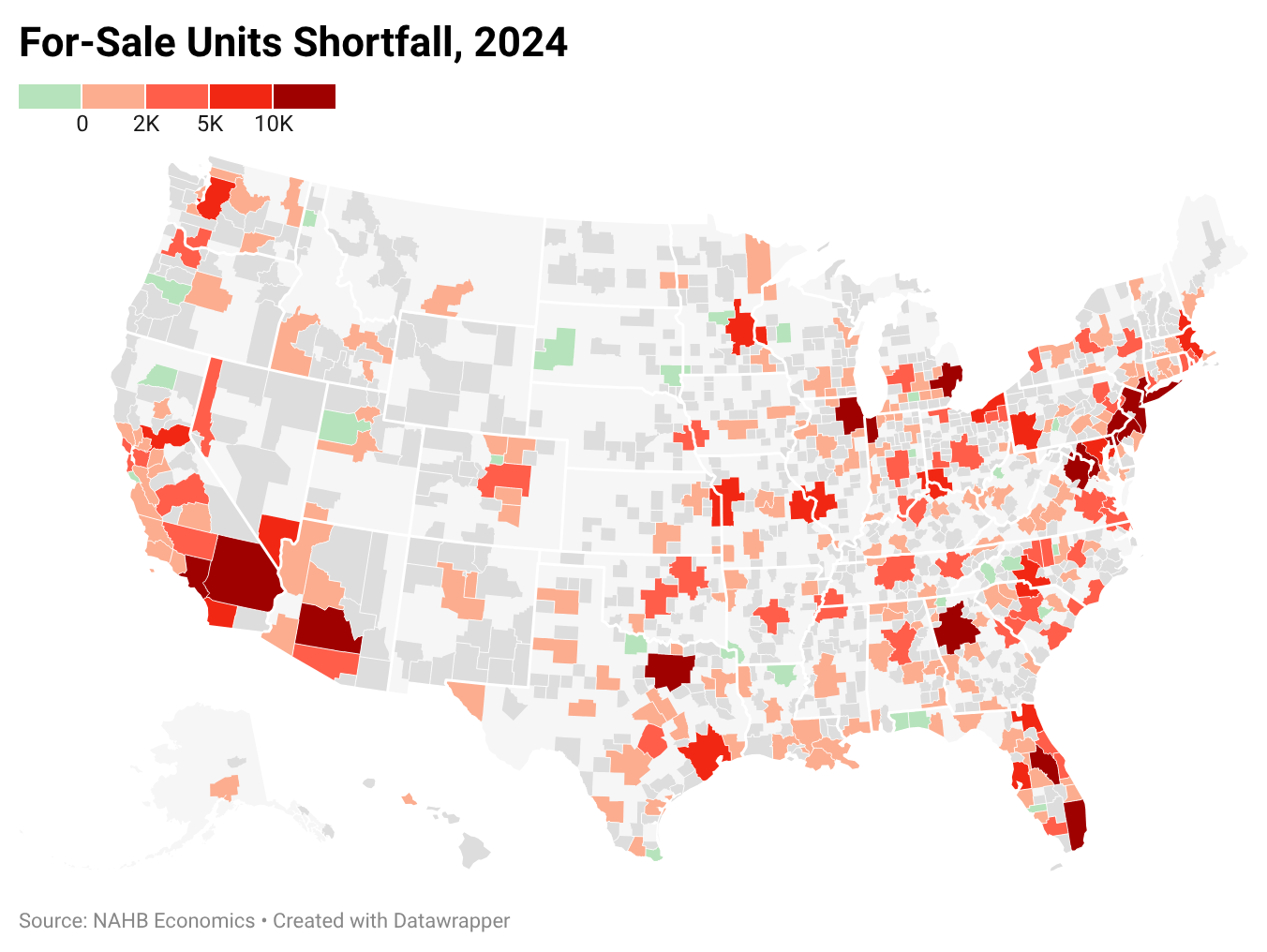
New data from Eye On Housing and the NAHB shows the U.S. remains short more than 1.2 million housing units, keeping pressure on both rents and home prices. Record‑low vacancy rates, slow single‑family construction, and restrictive zoning continue to fuel intense competition in 2024. Major metros like Chicago, New York, and Atlanta face some of the deepest deficits, and the true nationwide shortfall may be even higher when accounting for overcrowding and aging homes. For real estate professionals, the ongoing shortage means sustained demand, tighter inventory, and major opportunities for those who understand the evolving market.
Top real estate coach Jason Pantana says the divide between agents today isn’t about who has “tried” AI — it’s about who is immersed in it. In a new HousingWire interview, he explains why AI isn’t a gimmick but a full business system that amplifies output, improves authenticity, and reshapes how clients search for agents. From prompt mastery to AI‑driven visibility on Google, Pantana reveals how agents who commit even 15 minutes a day to learning AI are already outperforming those who hesitate.
Dallas–Fort Worth’s commercial real estate market closed 2025 with a split personality. Industrial dominated with massive new deliveries and soaring leasing demand, retail held steady with some of the market’s strongest fundamentals in years, and office continued to falter under remote‑work pressures. High vacancies, weak absorption, and rising demand for top‑tier space show the sector’s ongoing reset. Meanwhile, industrial and retail strength position the Metroplex for another powerhouse year heading into 2026.

 Biobanks, essential repositories of biological samples, are critical to the success of precision medicine. These collections of blood, DNA, and tissue samples, coupled with genetic data, form the backbone of research aimed at developing targeted therapies for diseases like cancer and diabetes. However, as highlighted in a recent
  While countries like the U.K., U.S., and Japan have comprehensive biobank regulations ensuring data protection and privacy, India’s framework remains fragmented. The absence of a single authority to regulate biobanks and the lack of penalties for misconduct create risks of ethical violations and undermine public confidence. As the