India’s Precision Medicine: A Vision Hindered by Biobank Regulations
Precision medicine, a transformative approach to healthcare, is redefining the landscape of disease diagnosis and treatment. From groundbreaking personalised healthcare solutions to innovations like mRNA vaccines and gene-editing technologies, the field promises a new era in medical science. Yet, as India stands on the cusp of this revolution, a significant hurdle looms: the lack of robust biobank regulations.
Biobanks, essential repositories of biological samples, are critical to the success of precision medicine. These collections of blood, DNA, and tissue samples, coupled with genetic data, form the backbone of research aimed at developing targeted therapies for diseases like cancer and diabetes. However, as highlighted in a recent analysis by The Hindu, India’s inconsistent biobank regulations threaten public trust and impede progress.
The Promise of Precision Medicine
In recent years, precision medicine has witnessed remarkable achievements. Through gene therapy, researchers have restored vision in individuals with genetic mutations, while in the U.K., scientists have reversed diabetes using reengineered stem cells. The rapid development of COVID-19 vaccines using the mRNA platform, which earned a Nobel Prize, further underscores the potential of precision medicine.
India’s Growing Market
The Indian precision medicine market is burgeoning, with projections estimating a value exceeding $5 billion by 2030. Initiatives like the BioE3 policy and the approval of NexCAR19, a domestically developed CAR-T cell therapy, mark significant strides. However, the true potential of these advancements lies in aligning biobank regulations with international standards.
The Biobank Conundrum
While countries like the U.K., U.S., and Japan have comprehensive biobank regulations ensuring data protection and privacy, India’s framework remains fragmented. The absence of a single authority to regulate biobanks and the lack of penalties for misconduct create risks of ethical violations and undermine public confidence. As the ICMR guidelines illustrate, participants often consent to provide samples without clarity on data usage, raising concerns about privacy and potential discrimination.
A Path Forward
To harness the full potential of precision medicine, India must establish stringent biobank regulations. Aligning with global standards will not only bolster public trust but also position India as a leader in next-generation therapeutics. As part of international groups like the Quad and BRICS, India has the opportunity to expand its pharmaceutical leadership and enhance its soft diplomatic efforts.
Manjeera Gowravaram, a PhD in RNA biochemistry, provides insightful analysis on the intersection of science and policy.
More Articles
Getting licensed or staying ahead in your career can be a journey—but it doesn’t have to be overwhelming. Grab your favorite coffee or tea, take a moment to relax, and browse through our articles. Whether you’re just starting out or renewing your expertise, we’ve got tips, insights, and advice to keep you moving forward. Here’s to your success—one sip and one step at a time!
With increasing governmental and private investments, the demand for precision medicine is expected to rise steadily. The commitment to addressing chronic conditions, coupled with strategic industry collaborations and advanced diagnostic tools, will sustain market growth.
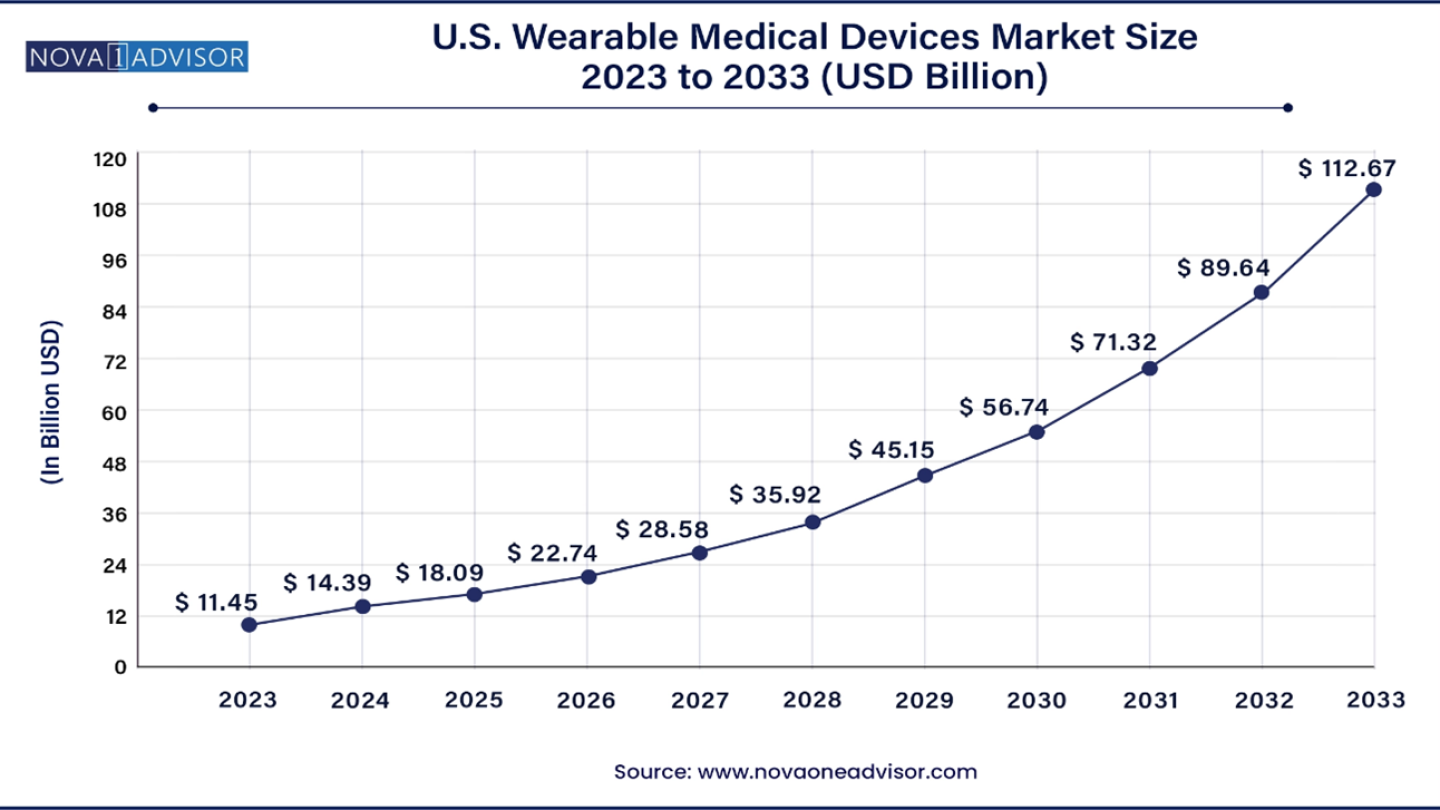
The U.S. wearable medical devices market, currently valued at an estimated $11.45 billion in 2023, is set to experience an astronomical rise to approximately $112.67 billion by 2033.
The real estate market is on the brink of transformation, captivating the attention of buyers, sellers, investors, and industry professionals. As we look toward the end of 2024, experts predict a shift in the landscape, particularly with home prices expected to decline due to increased inventory levels.
According to the World Health Organization (WHO), nearly two billion people in rural and remote areas worldwide lack access to essential healthcare solutions. This staggering statistic highlights a critical issue: the digital divide that limits telehealth services, primarily due to inadequate broadband access.
As AI becomes a staple in medical practice, it carries the risk of reinforcing existing biases entrenched in historical data. These biases can lead to skewed outcomes, particularly affecting marginalized communities such as the LGBTQIA+ and certain ethnic groups.
A groundbreaking study published in Volume 15 of Oncotarget on October 11, 2024, titled 'Relationship between the expressions of DLL3, ASC1, TTF-1 and Ki-67: First steps of precision medicine at SCLC' showcases pivotal advancements in the fight against small cell lung cancer (SCLC).

 Biobanks, essential repositories of biological samples, are critical to the success of precision medicine. These collections of blood, DNA, and tissue samples, coupled with genetic data, form the backbone of research aimed at developing targeted therapies for diseases like cancer and diabetes. However, as highlighted in a recent
  While countries like the U.K., U.S., and Japan have comprehensive biobank regulations ensuring data protection and privacy, India’s framework remains fragmented. The absence of a single authority to regulate biobanks and the lack of penalties for misconduct create risks of ethical violations and undermine public confidence. As the