Biobanks, essential repositories of biological samples, are critical to the success of precision medicine. These collections of blood, DNA, and tissue samples, coupled with genetic data, form the backbone of research aimed at developing targeted therapies for diseases like cancer and diabetes. However, as highlighted in a recent
  While countries like the U.K., U.S., and Japan have comprehensive biobank regulations ensuring data protection and privacy, India’s framework remains fragmented. The absence of a single authority to regulate biobanks and the lack of penalties for misconduct create risks of ethical violations and undermine public confidence. As the
Is Florida’s Booming Real Estate Market Becoming Unaffordable?
Florida is facing a real estate crisis marked by skyrocketing insurance premiums, stringent FEMA rules, and a surge in hedge fund property acquisitions.

Getting licensed or staying ahead in your career can be a journey—but it doesn’t have to be overwhelming. Grab your favorite coffee or tea, take a moment to relax, and browse through our articles. Whether you’re just starting out or renewing your expertise, we’ve got tips, insights, and advice to keep you moving forward. Here’s to your success—one sip and one step at a time!
Florida is facing a real estate crisis marked by skyrocketing insurance premiums, stringent FEMA rules, and a surge in hedge fund property acquisitions.
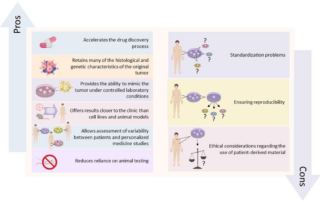
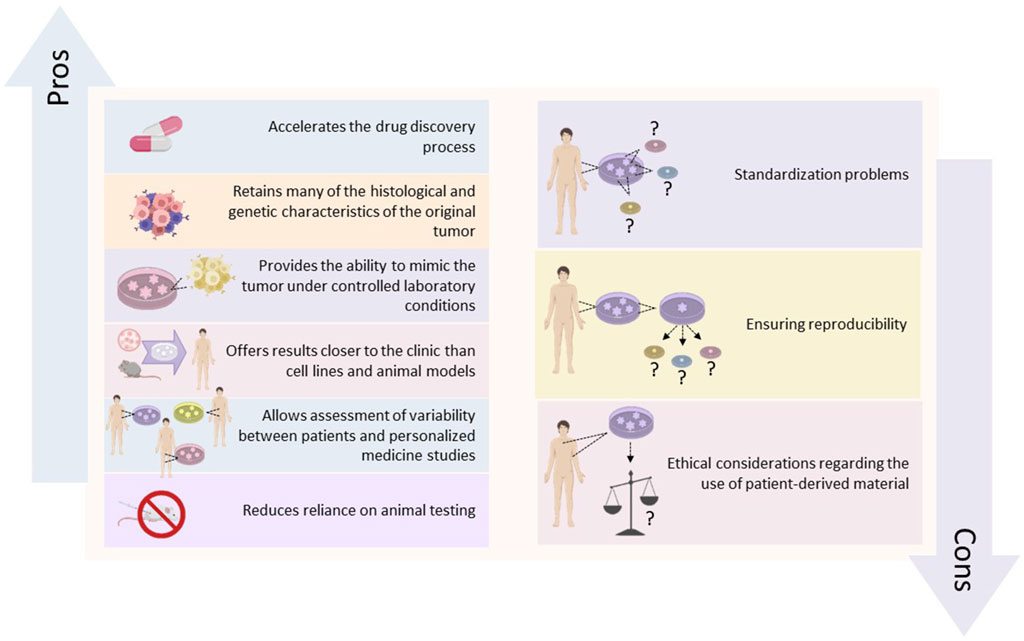
Patient-derived organoids offer an unprecedented opportunity to replicate the complex structure and genetic makeup of cancers, providing a more accurate model for clinical drug screening and pharmacognostic assessment.
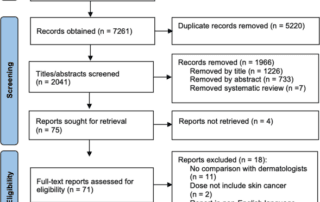
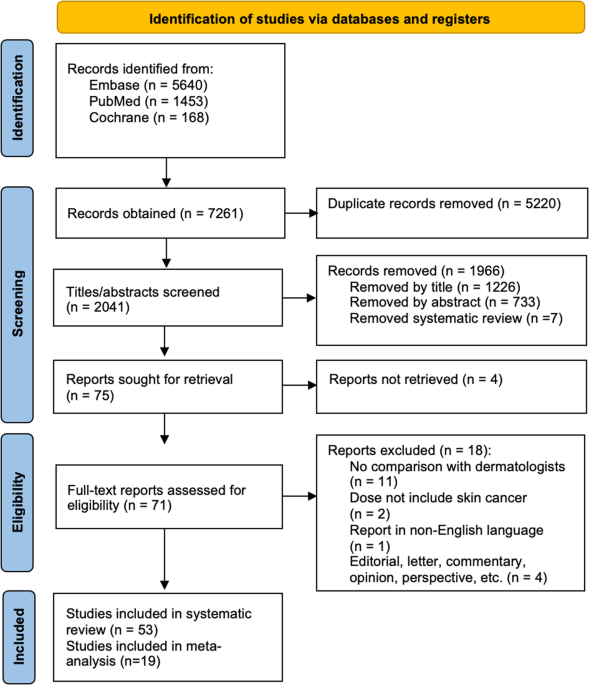
In a groundbreaking study published in Nature, researchers have delved into the burgeoning field of artificial intelligence (AI) in dermatology, specifically examining its role in diagnosing skin cancer. The study, titled "A Systematic Review and Meta-Analysis of Artificial Intelligence Versus Clinicians for Skin Cancer Diagnosis," offers a comprehensive look at how AI stacks up against human clinicians in this critical area of healthcare.
The automotive world is abuzz with announcements from major players like Tesla, Rimac, Renault, and Nissan, each unveiling plans to introduce autonomous vehicles in the near future. Tesla's much-anticipated "CyberCab" is set for an October 2024 debut, while Rimac and Renault are gearing up for releases in 2026.
In a rapidly evolving industry, insurance companies are turning to artificial intelligence (AI) and hyper-personalization to stay ahead of the curve.
AI technology offers a multitude of benefits, from enhancing patient outcomes to reducing healthcare costs and improving population health. Its application ranges from preventive screenings to complex diagnostic procedures, marking a new era in medical care.