India’s Precision Medicine: A Vision Hindered by Biobank Regulations
Precision medicine, a transformative approach to healthcare, is redefining the landscape of disease diagnosis and treatment. From groundbreaking personalised healthcare solutions to innovations like mRNA vaccines and gene-editing technologies, the field promises a new era in medical science. Yet, as India stands on the cusp of this revolution, a significant hurdle looms: the lack of robust biobank regulations.
Biobanks, essential repositories of biological samples, are critical to the success of precision medicine. These collections of blood, DNA, and tissue samples, coupled with genetic data, form the backbone of research aimed at developing targeted therapies for diseases like cancer and diabetes. However, as highlighted in a recent analysis by The Hindu, India’s inconsistent biobank regulations threaten public trust and impede progress.
The Promise of Precision Medicine
In recent years, precision medicine has witnessed remarkable achievements. Through gene therapy, researchers have restored vision in individuals with genetic mutations, while in the U.K., scientists have reversed diabetes using reengineered stem cells. The rapid development of COVID-19 vaccines using the mRNA platform, which earned a Nobel Prize, further underscores the potential of precision medicine.
India’s Growing Market
The Indian precision medicine market is burgeoning, with projections estimating a value exceeding $5 billion by 2030. Initiatives like the BioE3 policy and the approval of NexCAR19, a domestically developed CAR-T cell therapy, mark significant strides. However, the true potential of these advancements lies in aligning biobank regulations with international standards.
The Biobank Conundrum
While countries like the U.K., U.S., and Japan have comprehensive biobank regulations ensuring data protection and privacy, India’s framework remains fragmented. The absence of a single authority to regulate biobanks and the lack of penalties for misconduct create risks of ethical violations and undermine public confidence. As the ICMR guidelines illustrate, participants often consent to provide samples without clarity on data usage, raising concerns about privacy and potential discrimination.
A Path Forward
To harness the full potential of precision medicine, India must establish stringent biobank regulations. Aligning with global standards will not only bolster public trust but also position India as a leader in next-generation therapeutics. As part of international groups like the Quad and BRICS, India has the opportunity to expand its pharmaceutical leadership and enhance its soft diplomatic efforts.
Manjeera Gowravaram, a PhD in RNA biochemistry, provides insightful analysis on the intersection of science and policy.
More Articles
Getting licensed or staying ahead in your career can be a journey—but it doesn’t have to be overwhelming. Grab your favorite coffee or tea, take a moment to relax, and browse through our articles. Whether you’re just starting out or renewing your expertise, we’ve got tips, insights, and advice to keep you moving forward. Here’s to your success—one sip and one step at a time!
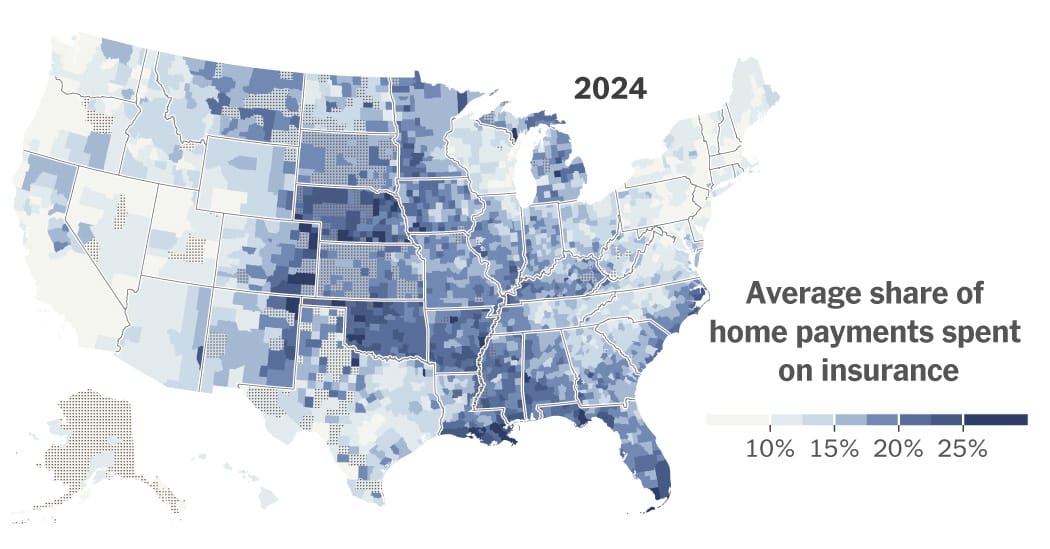
A surge in home insurance premiums is reshaping housing markets across the country, hitting disaster‑prone regions the hardest. From Louisiana to Colorado and California, deals are collapsing, buyers are backing out, and home values are dropping as insurance becomes a central affordability hurdle. New data shows climate‑driven risk repricing and soaring reinsurance costs are stripping tens of thousands of dollars from property values, forcing some homeowners to sell at a loss—or go uninsured altogether.
After years of sluggish activity, the National Association of REALTORS predicts 2026 could mark the long‑awaited rebound for the housing market. With a projected 14% jump in home sales, steadier rates near 6%, and rising buyer activity, NAR economists say momentum is already building. Early signs—like a 31% surge in mortgage applications, continued job growth, and stabilizing prices—suggest a stronger, more confident market ahead, creating fresh opportunities for both seasoned professionals and aspiring agents preparing to enter the field.
A surge of global capital is reshaping real estate heading into 2026, with investors shifting toward hands‑on strategies, cross‑border diversification, and high‑growth asset classes like data centers. Colliers’ 2026 Global Investor Outlook highlights rising confidence, improving liquidity, and a major pivot toward direct investing and value‑add opportunities. From office market rebounds to Asia Pacific’s rapid fundraising growth, the report outlines trends every real estate professional should understand as the industry enters a more dynamic, opportunity‑rich cycle.
Culver City just became the first place in California to legalize six‑story apartment buildings with only one staircase — a simple change that could reshape mid‑rise housing statewide. By freeing up as much as 7% more usable floor space, architects say single‑stair designs allow bigger units, more windows, and the kind of elegant layouts common in New York and Europe. If the city’s six‑year experiment succeeds, it may spark a broader rethinking of U.S. building codes and open the door to more flexible, affordable multifamily development across California.
Stratford homeowners are receiving their 2025 Notices of Assessment Change, marking the town’s first property revaluation since 2019. Officials emphasize that rising assessments do not equal higher tax bills, as a new mill rate won’t be set until spring 2026. Residents can challenge or review their updated valuations through informal hearings hosted by Vision Government Solutions, with appointments available for one week after receiving a notice.
New reporting reveals Florida homeowners now face an average insurance premium of $5,838 per year — nearly triple the national average. With skyrocketing rates, denied claims, and mounting non-renewals, residents are being pushed to tough financial decisions while lawmakers scramble to implement reforms. From retirees skipping coverage to families battling insurers for fair payouts, Florida’s insurance crisis is reshaping both the housing market and the daily lives of homeowners statewide.

 Biobanks, essential repositories of biological samples, are critical to the success of precision medicine. These collections of blood, DNA, and tissue samples, coupled with genetic data, form the backbone of research aimed at developing targeted therapies for diseases like cancer and diabetes. However, as highlighted in a recent
  While countries like the U.K., U.S., and Japan have comprehensive biobank regulations ensuring data protection and privacy, India’s framework remains fragmented. The absence of a single authority to regulate biobanks and the lack of penalties for misconduct create risks of ethical violations and undermine public confidence. As the