Inhabit Launches Powerful AI, Fraud Prevention, and Compliance Tech Shaping the Future of Property Management

Professional at outdoor event

A major wave of innovation just hit the property management world—one that blends automation, security, and compliance into a single, future-forward ecosystem. Inhabit®, the multifamily industry’s enterprise-grade software powerhouse, has unveiled a suite of new AI, fraud prevention, and compliance tools designed to save time, cut costs, and protect property teams against today’s rising risks.

According to EVP and Managing Director Dan Roehl, Inhabit’s vision is crystal clear: deliver AI that works in the real world—without the inaccuracies, hallucinations, or mixed experiences that often accompany first-generation tools. The company is doubling down on precision, efficiency, and trust, giving property teams tech they can rely on.

Next-Level AI Designed for Leasing, Marketing, and Compliance

Anyone Home AI Leasing Assistant

A hybrid intelligence assistant that handles voice, chat, and soon SMS. It auto‑manages renter inquiries while handing off to human agents seamlessly—boosting conversions and improving overall renter experience.

SiteCompli Metro AI

Focused on New York City’s complex compliance maze, Metro AI blends artificial intelligence with human expertise to explain regulations, guide teams, and resolve violations smarter and faster.

Razz AI SEO & Copy Assistant

Marketing teams can now generate fully optimized website content—including metadata and descriptions—directly within the Razz CMS and ResMan Websites.

ValenceDocs AI Lease Audit (Coming Early 2026)

Instant lease analysis with AI-powered insights across entire portfolios. Faster decisions, improved accuracy, and elevated operational confidence.

Stopping Fraud Before It Starts

Application and identity fraud continue to climb across the multifamily sector. Inhabit’s new tools focus on prevention—not just detection.

Digital Income Verification

Offered through Western Reporting, this feature instantly verifies income via trusted third‑party data—no documents, no tenant effort. Integrated with major platforms like ResMan and TenantTech.

Identity Verification (Early 2026)

Verifies renters before tours or applications begin, helping property teams eliminate fraudulent activity at the earliest step.

Compliance Made Simpler, Smarter, and Stronger

As regulations expand at every governmental level, property teams need clearer workflows and dependable documentation. Inhabit continues to grow its compliance solutions to meet these ongoing demands.

TenantTech Blue Moon Integration

Provides access to attorney‑reviewed Blue Moon applications and lease forms—cutting legal exposure and improving consistency across regions.

ResMan Affordable Enhancements

Updates now support HUD, LIHTC, and Rural Development programs with new certification workflows, improved waitlists, updated TIC forms, and more robust import/export tools.

Why This Matters for Property Professionals

From leasing agents to compliance teams, today’s professionals are operating in an increasingly digital, fast‑paced, and regulated landscape. Tools like these aren’t just conveniences—they’re necessities.

And for those entering or advancing in real estate, understanding technology trends is now a must. At Cameron Academy, we continually help Florida real estate professionals and other licensed fields stay ahead of evolving tech and compliance standards. Staying educated means staying competitive.

Source: Boston Real Estate Times

More Articles

Getting licensed or staying ahead in your career can be a journey—but it doesn’t have to be overwhelming. Grab your favorite coffee or tea, take a moment to relax, and browse through our articles. Whether you’re just starting out or renewing your expertise, we’ve got tips, insights, and advice to keep you moving forward. Here’s to your success—one sip and one step at a time!

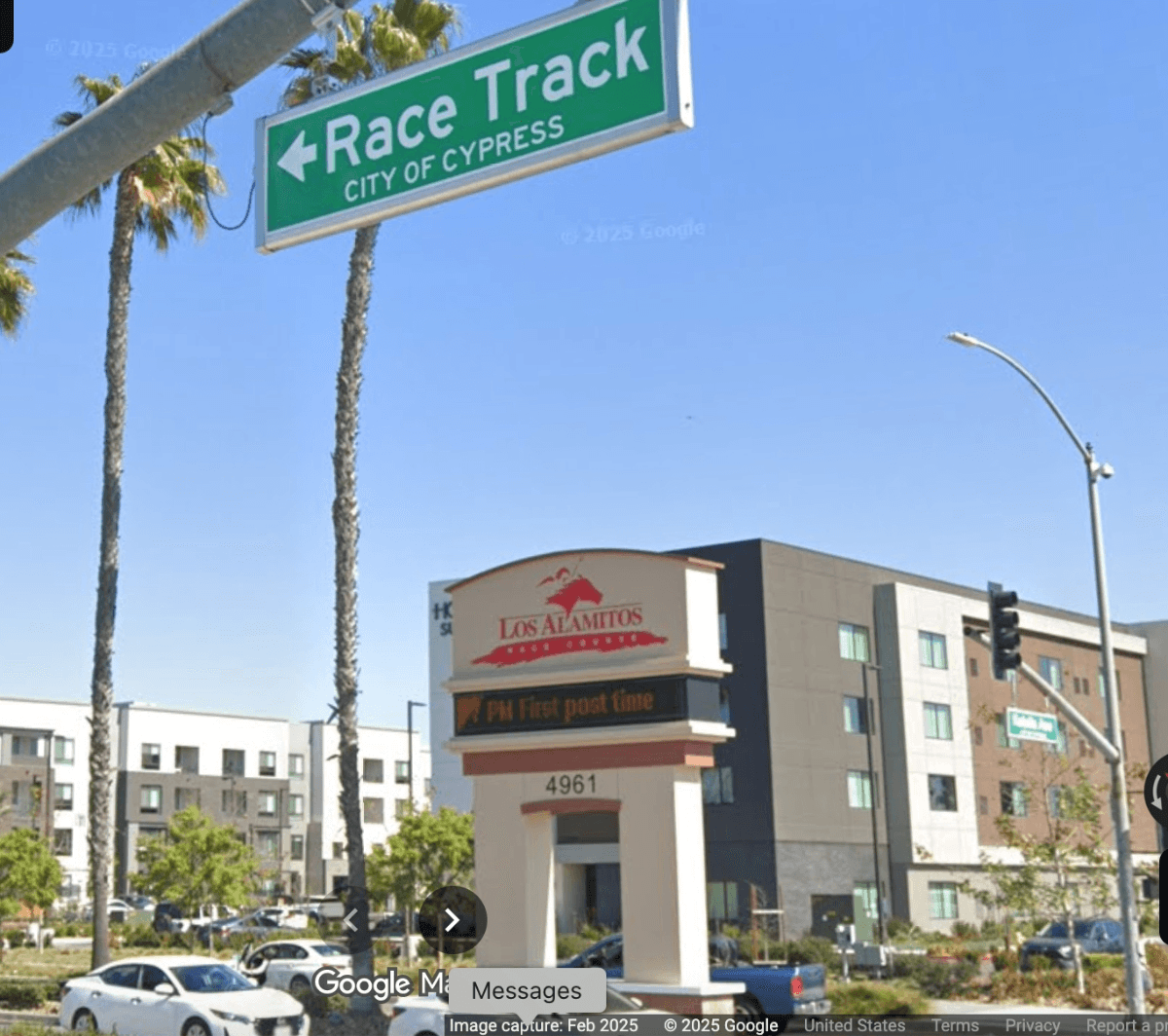
Los Alamitos at a Breaking Point After 18 Racehorse Deaths Spur Emergency Safety Demands

Los Alamitos Race Course is facing its most serious crisis in years after 18 horses died in 2025, prompting regulators to warn the track that its racing license is at risk without immediate safety reforms. Following three catastrophic injuries in a single day, the California Horse Racing Board has ordered urgent changes—including more veterinarians, stricter medication rules, and enhanced on‑track medical support—as pressure mounts for stronger oversight in a sport already under national scrutiny.

Why Canadian Investors Are Flooding U.S. Real Estate Despite Tariffs and Tensions

Canadian investors have poured more than US$5.8 billion into U.S. commercial real estate this year, making the U.S. their top destination even amid a lingering tariff dispute. Tight inventory in Canada and greater deal availability south of the border are driving the trend, with data centers and industrial properties emerging as the hottest targets for 2025.

Florida’s Insurance Chief Warns Homeowners: Most Don’t Understand Their Policies

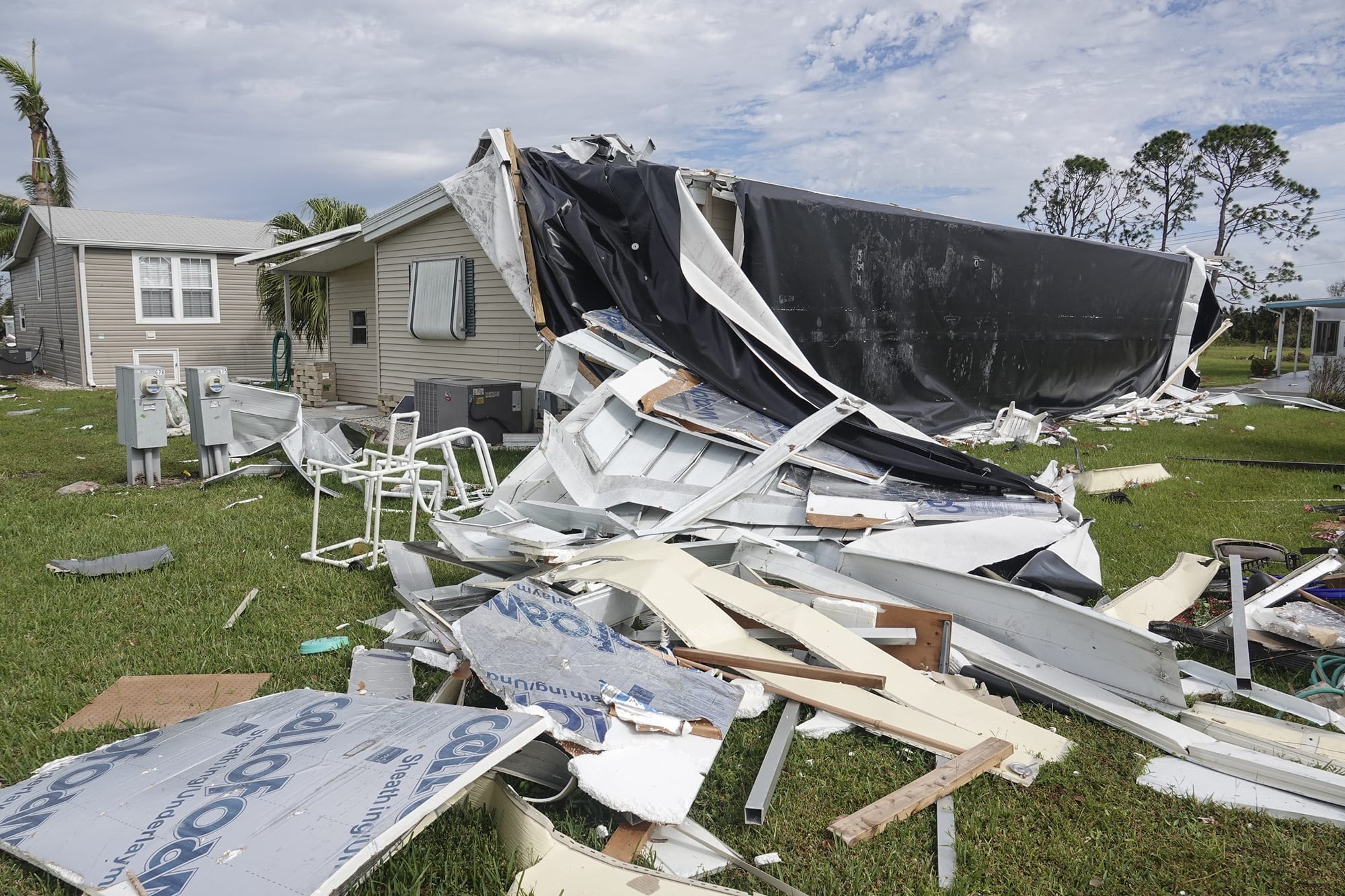
Florida’s insurance commissioner says even industry pros struggle to read today’s 150‑page homeowners policies—leaving residents shocked when hurricane claims are denied. With rising premiums, high replacement costs, and widespread confusion over exclusions like flood and water damage, the state is pushing for simpler, clearer policy language so homeowners know what they’re actually covered for before the next storm hits.

Post‑Election Power Plays: How Major U.S. Cities Are Quietly Redrawing the Real Estate Map

Following the 2025 elections, major metros like New York, Chicago, Miami, Los Angeles, and Boston are implementing policy shifts that could reshape property values, rental income, development timelines, and investment strategy heading into 2026. From New York’s push toward aggressive rent reform to Chicago’s sustainability mandates and Miami’s uncertain mayoral runoff, these changes signal a new era where local politics increasingly dictate market performance. This breakdown highlights the biggest post‑election real estate pivots and what they mean for investors, agents, and finance professionals preparing for a rapidly evolving landscape.

Florida Insurance Boss Drops a Truth Bomb: Most Homeowners Have No Idea What They’re Actually Covered For

Florida’s Insurance Commissioner is sounding the alarm after thousands of homeowners discovered—only after hurricanes Helene and Milton—that the coverage they thought they had didn’t exist. With nearly 150,000 unpaid claims tied to misunderstood flood exclusions, water‑damage caps, and buried policy clauses, state leaders are pushing to simplify the dense, confusing documents most Floridians never read. As insurance costs remain one of the state’s top concerns, this growing complexity is creating a massive opportunity for real estate, mortgage, and insurance professionals to guide consumers before disaster strikes.

Florida’s Insurance “Fixes” Backfire as Homeowners Face Higher Costs and Riskier Insurers

Florida’s insurance market is reliving an old crisis under a new name. Despite reforms meant to stabilize the system, homeowners are being forced out of Citizens and into pricier policies from small insurers with shaky financial histories. Companies tied to past insolvencies are returning with fresh branding, while highly rated carriers continue to deny a majority of claims. With political influence muddying regulation and climate risks rising, experts warn that only a full structural overhaul—not cosmetic reforms—can restore confidence for homeowners, agents, and the entire real estate market.