Inhabit Launches Powerful AI, Fraud Prevention, and Compliance Tech Shaping the Future of Property Management

Professional at outdoor event

A major wave of innovation just hit the property management world—one that blends automation, security, and compliance into a single, future-forward ecosystem. Inhabit®, the multifamily industry’s enterprise-grade software powerhouse, has unveiled a suite of new AI, fraud prevention, and compliance tools designed to save time, cut costs, and protect property teams against today’s rising risks.

According to EVP and Managing Director Dan Roehl, Inhabit’s vision is crystal clear: deliver AI that works in the real world—without the inaccuracies, hallucinations, or mixed experiences that often accompany first-generation tools. The company is doubling down on precision, efficiency, and trust, giving property teams tech they can rely on.

Next-Level AI Designed for Leasing, Marketing, and Compliance

Anyone Home AI Leasing Assistant

A hybrid intelligence assistant that handles voice, chat, and soon SMS. It auto‑manages renter inquiries while handing off to human agents seamlessly—boosting conversions and improving overall renter experience.

SiteCompli Metro AI

Focused on New York City’s complex compliance maze, Metro AI blends artificial intelligence with human expertise to explain regulations, guide teams, and resolve violations smarter and faster.

Razz AI SEO & Copy Assistant

Marketing teams can now generate fully optimized website content—including metadata and descriptions—directly within the Razz CMS and ResMan Websites.

ValenceDocs AI Lease Audit (Coming Early 2026)

Instant lease analysis with AI-powered insights across entire portfolios. Faster decisions, improved accuracy, and elevated operational confidence.

Stopping Fraud Before It Starts

Application and identity fraud continue to climb across the multifamily sector. Inhabit’s new tools focus on prevention—not just detection.

Digital Income Verification

Offered through Western Reporting, this feature instantly verifies income via trusted third‑party data—no documents, no tenant effort. Integrated with major platforms like ResMan and TenantTech.

Identity Verification (Early 2026)

Verifies renters before tours or applications begin, helping property teams eliminate fraudulent activity at the earliest step.

Compliance Made Simpler, Smarter, and Stronger

As regulations expand at every governmental level, property teams need clearer workflows and dependable documentation. Inhabit continues to grow its compliance solutions to meet these ongoing demands.

TenantTech Blue Moon Integration

Provides access to attorney‑reviewed Blue Moon applications and lease forms—cutting legal exposure and improving consistency across regions.

ResMan Affordable Enhancements

Updates now support HUD, LIHTC, and Rural Development programs with new certification workflows, improved waitlists, updated TIC forms, and more robust import/export tools.

Why This Matters for Property Professionals

From leasing agents to compliance teams, today’s professionals are operating in an increasingly digital, fast‑paced, and regulated landscape. Tools like these aren’t just conveniences—they’re necessities.

And for those entering or advancing in real estate, understanding technology trends is now a must. At Cameron Academy, we continually help Florida real estate professionals and other licensed fields stay ahead of evolving tech and compliance standards. Staying educated means staying competitive.

Source: Boston Real Estate Times

More Articles

Getting licensed or staying ahead in your career can be a journey—but it doesn’t have to be overwhelming. Grab your favorite coffee or tea, take a moment to relax, and browse through our articles. Whether you’re just starting out or renewing your expertise, we’ve got tips, insights, and advice to keep you moving forward. Here’s to your success—one sip and one step at a time!

Judge Blocks Class Status in Major Commission Lawsuit, Shaking Up the Real Estate Industry

A federal judge has denied class‑certification in the high‑stakes Batton commission lawsuit, delivering a temporary win for NAR and major brokerages while leaving the door open for plaintiffs to try again. With as much as $3.6 billion in potential damages on the line and nearly 80% of the proposed class now disqualified due to conflicts with earlier settlements, the case stands at a pivotal moment. Real estate professionals nationwide — especially in Florida — should watch closely, as the ruling could shape the future of buyer‑agent compensation.

Florida Homeowners Hit Hard by Skyrocketing Insurance Rates as Lawmakers Race Toward Reform

Florida homeowners are paying nearly double the national average for insurance, with premiums now reaching $5,838 a year and denied claims topping 40 percent. Residents report tripled rates, underpaid claims, and mounting financial strain, pushing lawmakers in Tallahassee to propose caps on rate hikes, tax breaks for storm‑proof upgrades, and tighter oversight of insurers. These developments are reshaping real estate and insurance conversations across the state as professionals brace for major industry shifts.

Inside Berkshire County’s Surging 2025 Real Estate Market: Q3 Deep Dive

Berkshire County closed Q3 2025 with strong momentum as sales, dollar volume, and buyer competition all climbed year‑over‑year. Inventory showed slight improvement but remains far below demand, keeping the market tilted toward sellers. Single‑family homes and condos led the surge, while multifamily, land, and commercial sectors showed mixed performance. The region continues to stand out as one of New England’s most resilient real estate markets heading into 2026.

Florida Homeowners Are Reaching a Breaking Point as Insurance Costs Skyrocket

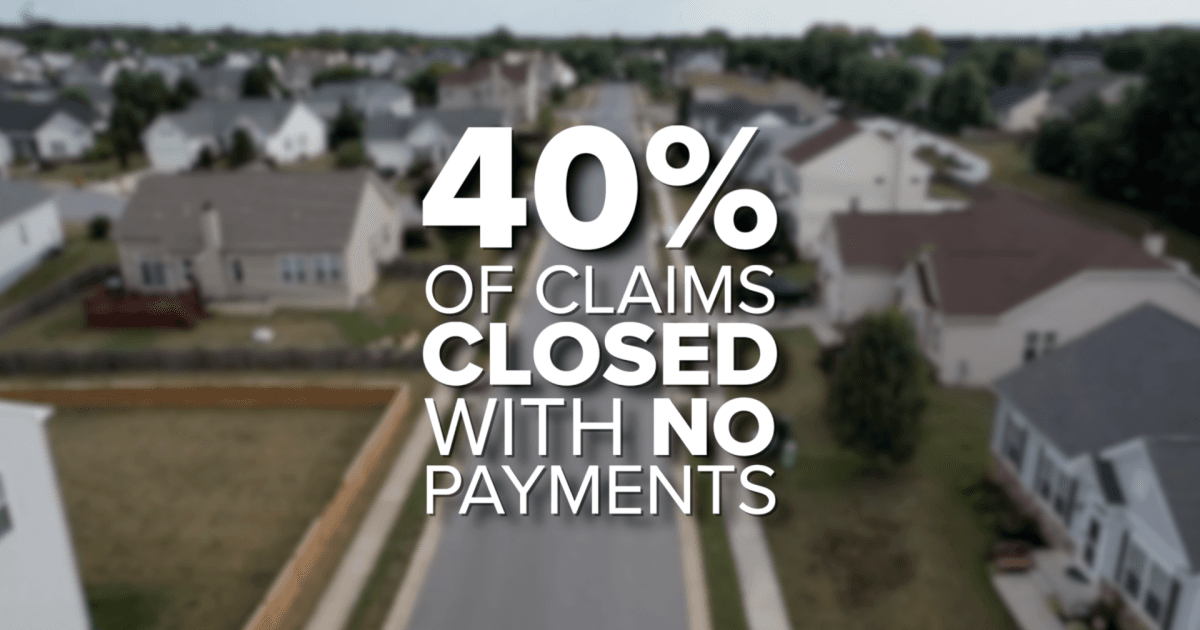
Florida homeowners now face the highest insurance burdens in the nation, with average premiums topping $5,800 per year—roughly $3,000 above the national average. As rates triple for some residents, more Floridians are skipping coverage altogether, while denied claims and slow payouts add to the frustration. With over 40 percent of claims closing with no payment and lawmakers battling over reform in Tallahassee, the crisis is reshaping budgets, homebuying decisions, and the real estate industry statewide.

How Global Investors Are Rewriting the Real Estate Playbook for 2026

Global capital is surging back into real estate—and this time, investors want more control. Colliers’ 2026 Global Investor Outlook reveals a major shift toward direct investments, joint ventures, and hands‑on strategies as money moves across North America, Europe, and the booming Asia‑Pacific markets. Data centers are now the top‑funded asset class, offices are staging a comeback, and adaptive reuse is reshaping cities worldwide. For real estate and finance professionals, the message is clear: opportunity is accelerating, and those with the right education and licensing will be at the center of the action.

Why Lower Interest Rates Still Aren’t Saving Commercial Real Estate

The Fed’s recent rate cuts should have offered relief to commercial real estate—but long-term borrowing costs haven’t budged. While short‑term rates are falling, stubborn long‑term yields, broken deal math, and a trillion‑dollar refinancing wave are keeping the market frozen. For investors and professionals across Florida and the nation, understanding this disconnect is key to navigating the opportunities and risks emerging in today’s shifting CRE landscape.