Innovation at the Intersection of Infrastructure and Real Estate
The ever-evolving landscape of technological innovation is reshaping the very fabric of our infrastructure and real estate. As the world’s energy needs surge exponentially, the demands of large language models and generative AI, such as ChatGPT, have reached unprecedented levels, requiring vast amounts of power, water, and electricity. This has created a ripple effect across infrastructures, particularly data centers, which are now grappling with these new challenges.
Powering the Future: A New Era of Data Centers
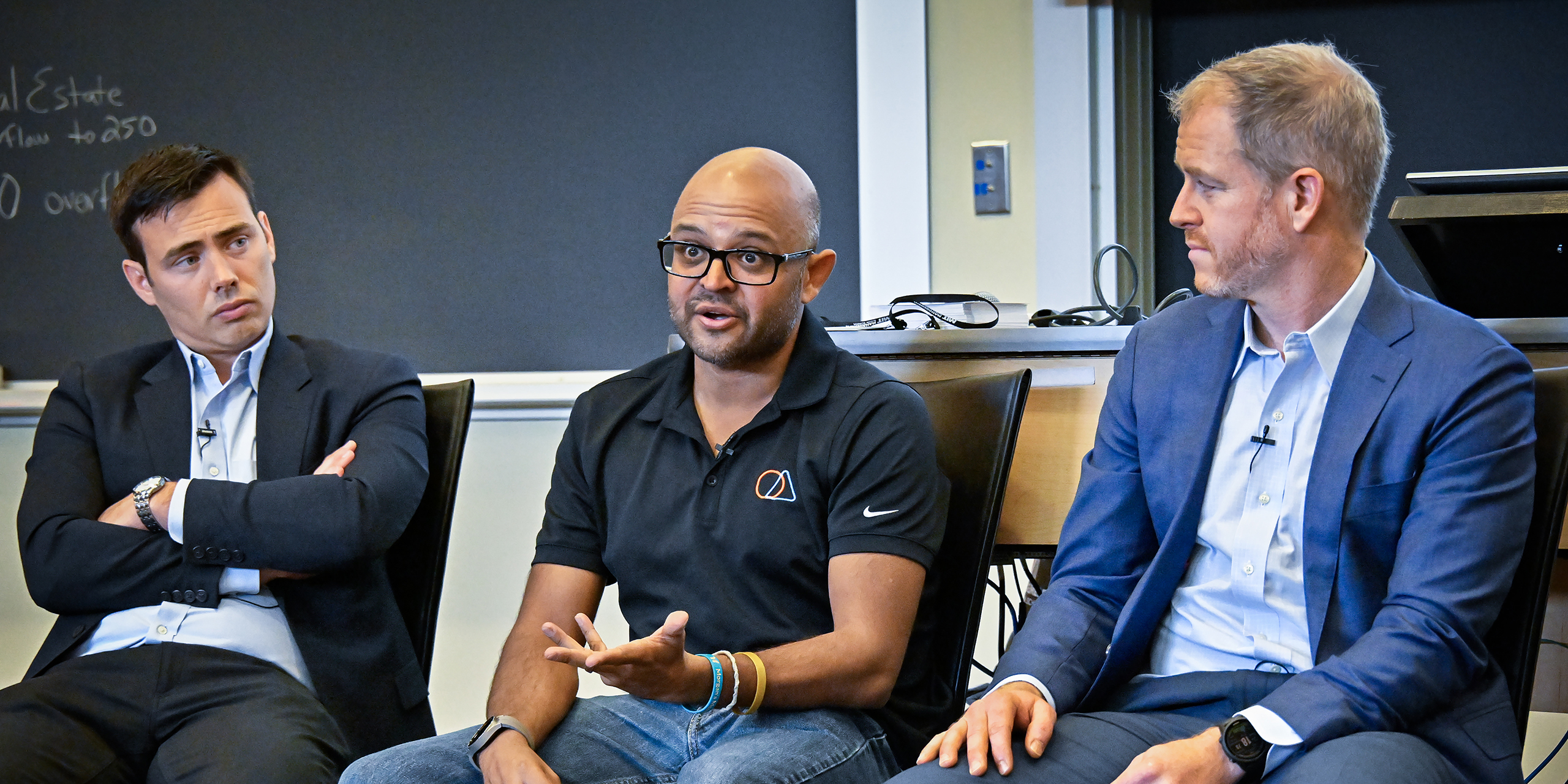
Data centers, once modest in their energy consumption, have grown exponentially. “We were building data centers that were one megawatt, 10 megawatts. Now, they’re 100 megawatts, 500 megawatts, and one gigawatt,” said John Ghirardelli, executive director at Morgan Stanley Infrastructure Partners. This surge has put immense pressure on the US grid, which has remained relatively stable over the past 40 years.
At the MIT Sloan Reunion 2024, Ghirardelli moderated a panel titled “The Digitalization and Infrastructure of Real Estate,” where experts delved into the complexities and opportunities of this intersection.
The Green Revolution: Sustainable Solutions
The shift towards greener energy is not just a trend but a necessity. As data centers expand, so does the need for sustainable energy solutions. Dipul Patel, CTO at Soluna, emphasized the importance of relocating data centers to areas with abundant wind power. “AI is power-hungry and money-hungry on a level that no one’s ever seen,” Patel noted. By positioning data centers near wind farms, energy loss is minimized, making both the data centers and wind farms more efficient and profitable.
Real Estate: A New Game
The real estate industry is undergoing a transformation, moving beyond traditional residential and commercial spaces to include assets like data centers, cell phone towers, and renewable energy farms. “Real estate is really an industry of innovate or die,” said Zvi Gordon, CEO of Gazit Horizons Inc. The industry must adapt to rapid technological changes, balancing innovation with the challenges of permits and slow processes.
John Ghirardelli encapsulated this shift, stating, “It’s no longer single-family homes and McDonald’s anymore. It’s a whole new game.”
Conclusion
The insights shared at the MIT Sloan Reunion 2024 highlight the critical need for smarter, faster, and more sustainable development in the face of growing technological demands. As the world continues to digitalize, the intersection of infrastructure and real estate will play a pivotal role in shaping our future.
More Articles
Getting licensed or staying ahead in your career can be a journey—but it doesn’t have to be overwhelming. Grab your favorite coffee or tea, take a moment to relax, and browse through our articles. Whether you’re just starting out or renewing your expertise, we’ve got tips, insights, and advice to keep you moving forward. Here’s to your success—one sip and one step at a time!
A new national survey shows that while most real estate agents now use AI for everyday tasks like writing listing descriptions and social posts, many remain uneasy trusting the technology with higher‑stakes responsibilities. Agents report major time savings and better communication thanks to AI, but lingering concerns about accuracy, compliance and data interpretation reveal a growing skills gap. The industry’s next big need: stronger AI tools, clearer standards and hands‑on training — a gap education providers like Cameron Academy are poised to fill.
Florida homeowners and real estate professionals are being crushed by skyrocketing insurance premiums, shrinking coverage, and a claims system stacked against consumers. While residents face the highest insurance costs in the nation, meaningful reform bills are being ignored in Tallahassee, leaving families, businesses, and the entire real estate market exposed.
Artificial intelligence is exposing the real estate industry's biggest weakness: fragmented, inconsistent data scattered across disconnected systems. Unlike finance and e‑commerce, real estate never built a unified digital foundation—and now AI can’t function without one. As companies scramble to standardize information, organizations like OSCRE are pushing shared data models that could transform everything from leasing to property management. The result may be the industry’s most collaborative era yet, where clean, interoperable data becomes the key to unlocking AI’s full power.
Off‑market networks, rising small‑investor buying, regulatory shifts, and intensifying portal competition are reshaping how homes are found and sold. With inventory tight and traditional listings declining, agents who understand investor behavior, private deal flow, and evolving rules are gaining a major edge in today’s fast‑changing housing landscape.
Despite state leaders celebrating stabilization, Florida homeowners continue to face some of the highest insurance premiums in the country. Local experts say rates have stopped skyrocketing but have settled at levels that feel permanently elevated—especially for older or coastal homes. With insurers still avoiding high‑risk areas and demanding costly home upgrades, many Floridians are questioning whether this expensive reality is here to stay.
California is pushing a landmark proposal that would force insurers to offer coverage to homeowners who meet state‑approved wildfire‑mitigation standards. The new SB 1076, known as the Insurance Coverage for Fire‑Safe Homes Act, aims to stabilize the state’s distressed insurance market by guaranteeing coverage for fire‑hardened homes starting in 2028—backed by strict penalties for insurers who refuse. As supporters rally and critics warn of market strain, the bill could reshape real estate, insurance, and lending practices across wildfire‑prone regions.

 Powering the Future: A New Era of Data Centers
Data centers, once modest in their energy consumption, have grown exponentially. “We were building data centers that were one megawatt, 10 megawatts. Now, they’re 100 megawatts, 500 megawatts, and one gigawatt,” said
Powering the Future: A New Era of Data Centers
Data centers, once modest in their energy consumption, have grown exponentially. “We were building data centers that were one megawatt, 10 megawatts. Now, they’re 100 megawatts, 500 megawatts, and one gigawatt,” said 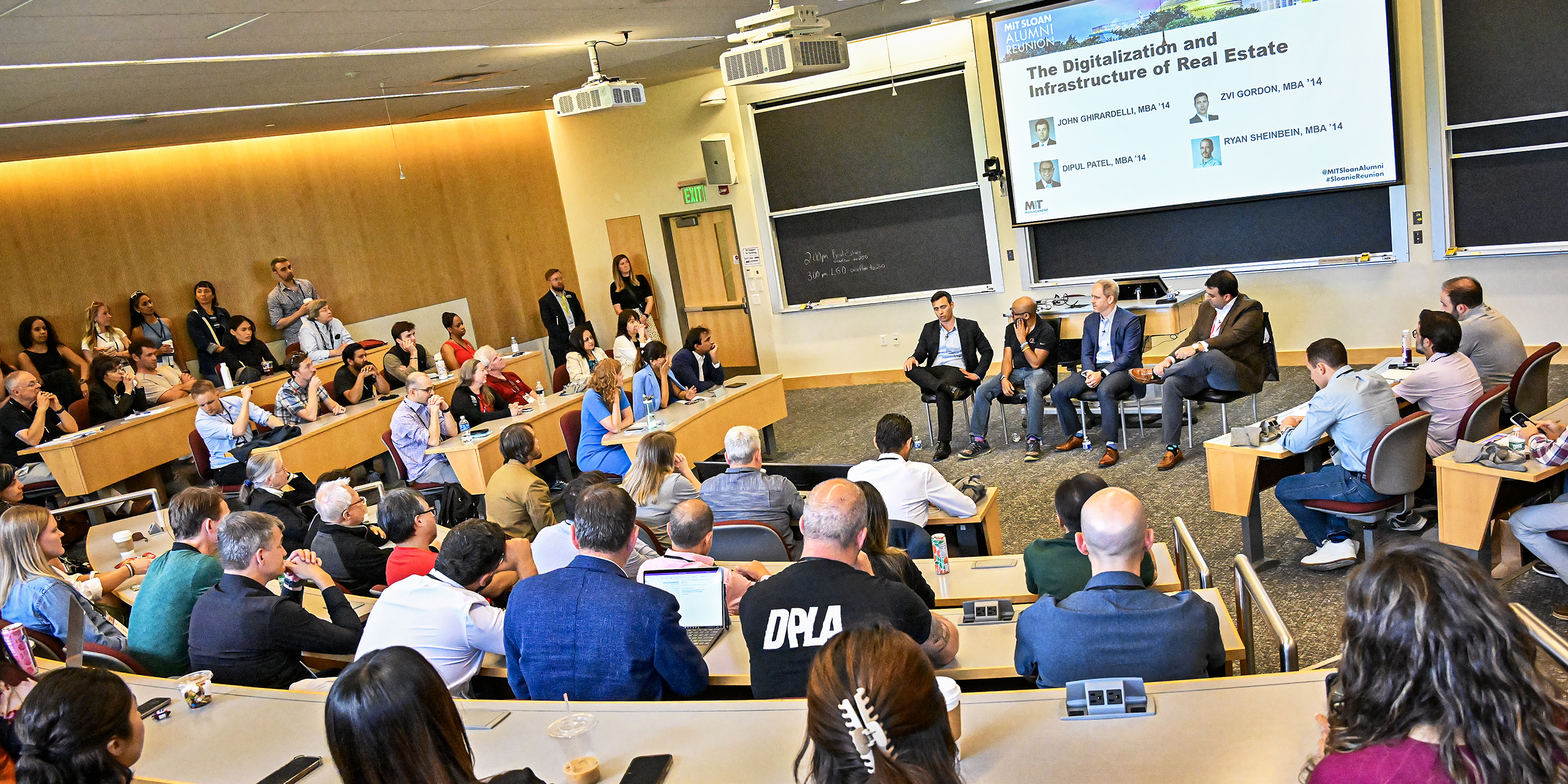 Real Estate: A New Game
The real estate industry is undergoing a transformation, moving beyond traditional residential and commercial spaces to include assets like data centers, cell phone towers, and renewable energy farms. “Real estate is really an industry of innovate or die,” said
Real Estate: A New Game
The real estate industry is undergoing a transformation, moving beyond traditional residential and commercial spaces to include assets like data centers, cell phone towers, and renewable energy farms. “Real estate is really an industry of innovate or die,” said 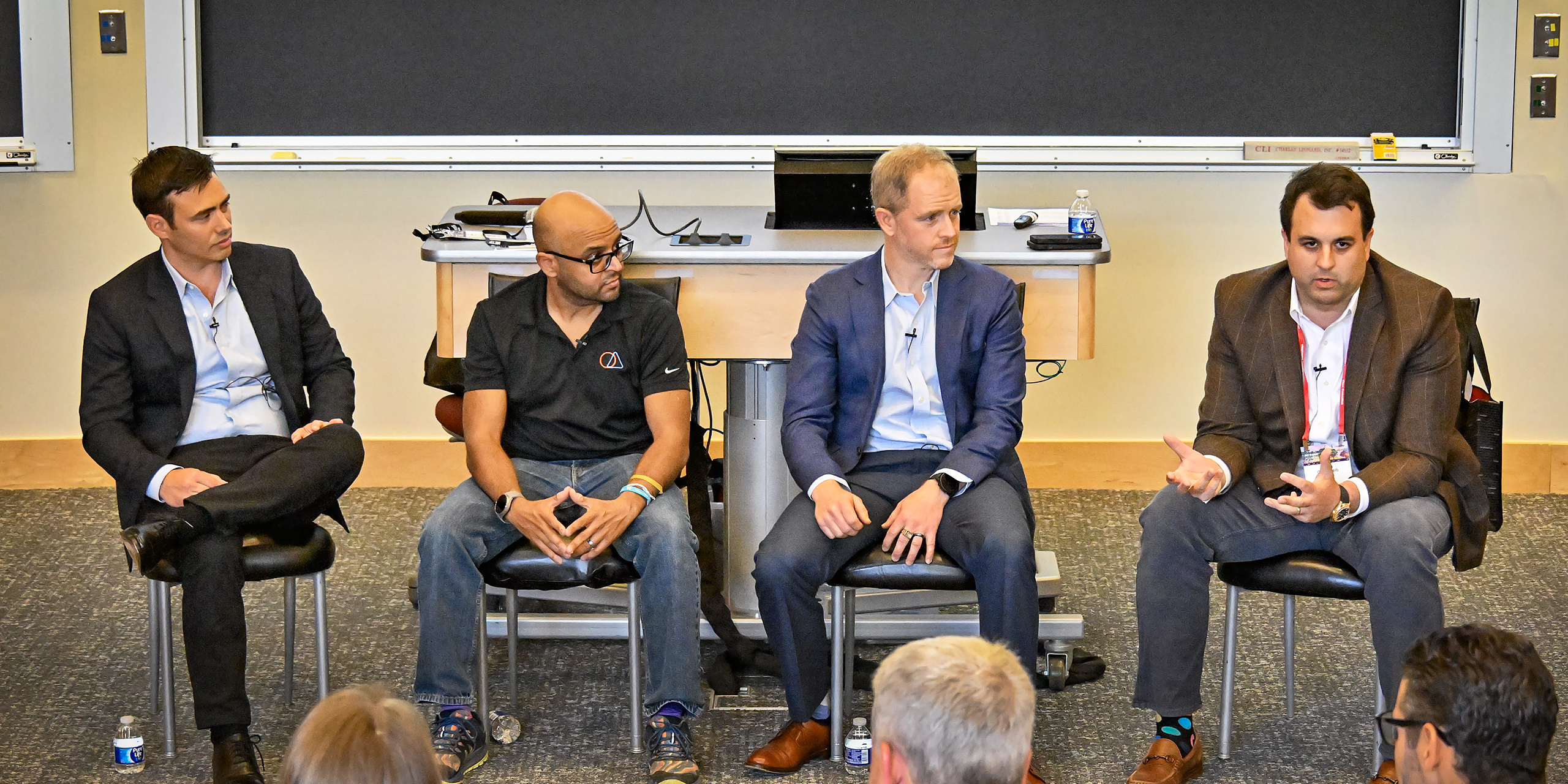 Conclusion
The insights shared at the
Conclusion
The insights shared at the