Innovation at the Intersection of Infrastructure and Real Estate
The ever-evolving landscape of technological innovation is reshaping the very fabric of our infrastructure and real estate. As the world’s energy needs surge exponentially, the demands of large language models and generative AI, such as ChatGPT, have reached unprecedented levels, requiring vast amounts of power, water, and electricity. This has created a ripple effect across infrastructures, particularly data centers, which are now grappling with these new challenges.
Powering the Future: A New Era of Data Centers
Data centers, once modest in their energy consumption, have grown exponentially. “We were building data centers that were one megawatt, 10 megawatts. Now, they’re 100 megawatts, 500 megawatts, and one gigawatt,” said John Ghirardelli, executive director at Morgan Stanley Infrastructure Partners. This surge has put immense pressure on the US grid, which has remained relatively stable over the past 40 years.
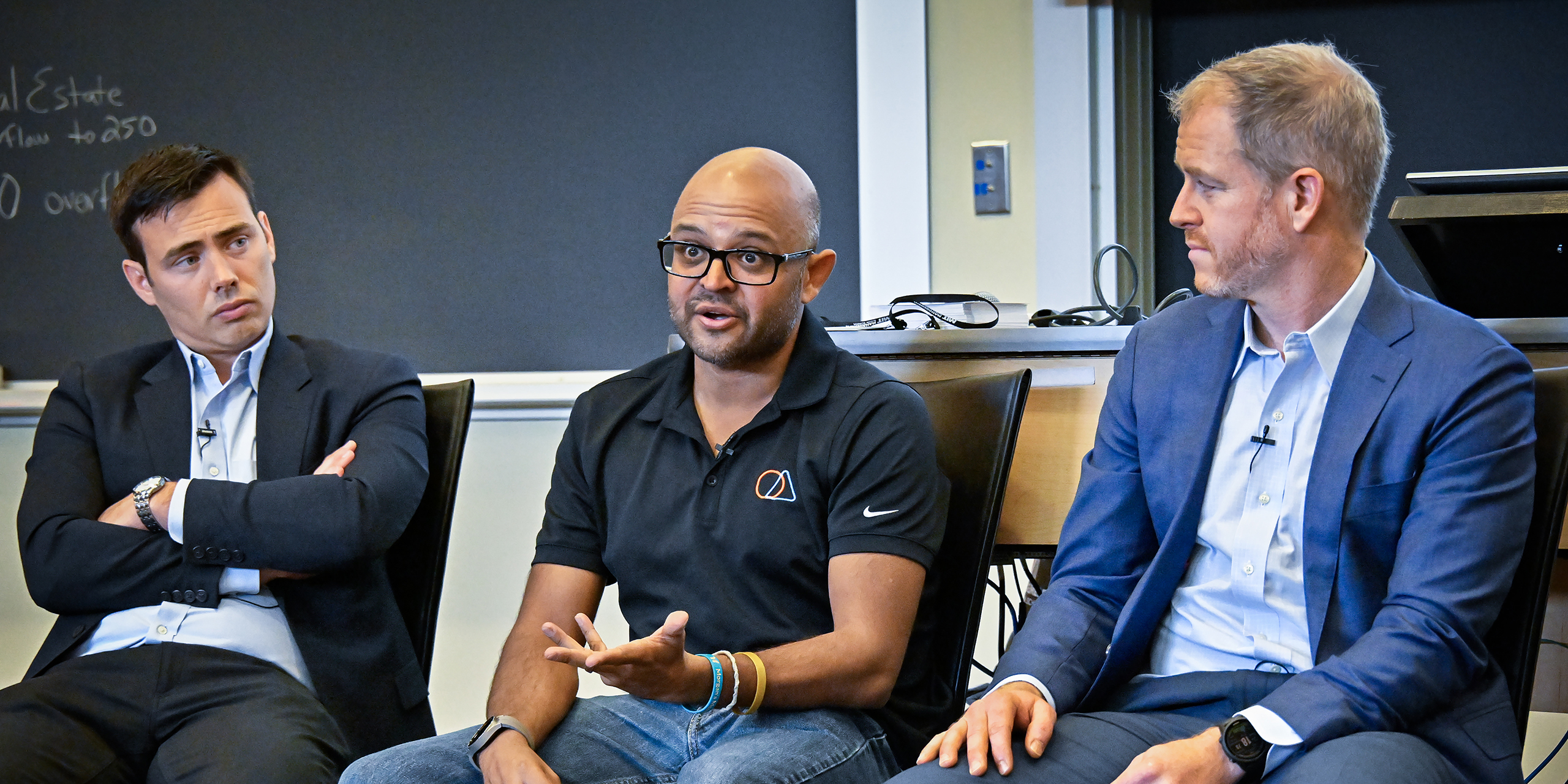
At the MIT Sloan Reunion 2024, Ghirardelli moderated a panel titled “The Digitalization and Infrastructure of Real Estate,” where experts delved into the complexities and opportunities of this intersection.
The Green Revolution: Sustainable Solutions
The shift towards greener energy is not just a trend but a necessity. As data centers expand, so does the need for sustainable energy solutions. Dipul Patel, CTO at Soluna, emphasized the importance of relocating data centers to areas with abundant wind power. “AI is power-hungry and money-hungry on a level that no one’s ever seen,” Patel noted. By positioning data centers near wind farms, energy loss is minimized, making both the data centers and wind farms more efficient and profitable.
Real Estate: A New Game
The real estate industry is undergoing a transformation, moving beyond traditional residential and commercial spaces to include assets like data centers, cell phone towers, and renewable energy farms. “Real estate is really an industry of innovate or die,” said Zvi Gordon, CEO of Gazit Horizons Inc. The industry must adapt to rapid technological changes, balancing innovation with the challenges of permits and slow processes.
John Ghirardelli encapsulated this shift, stating, “It’s no longer single-family homes and McDonald’s anymore. It’s a whole new game.”
Conclusion
The insights shared at the MIT Sloan Reunion 2024 highlight the critical need for smarter, faster, and more sustainable development in the face of growing technological demands. As the world continues to digitalize, the intersection of infrastructure and real estate will play a pivotal role in shaping our future.
More Articles
Getting licensed or staying ahead in your career can be a journey—but it doesn’t have to be overwhelming. Grab your favorite coffee or tea, take a moment to relax, and browse through our articles. Whether you’re just starting out or renewing your expertise, we’ve got tips, insights, and advice to keep you moving forward. Here’s to your success—one sip and one step at a time!
After years of soaring premiums and insurer instability, Florida’s property insurance market is finally turning a corner. Major carriers have filed 83 requests for rate decreases heading into 2026, with companies like Florida Peninsula and Patriot Select proposing cuts of 8.4% and 11.3%. Some homeowners may see relief as early as next month, signaling a long‑awaited shift toward market stability.
Fix-and-flip investing is gearing up for one of its strongest years in a decade as 2026 approaches. With cheaper capital, more accessible funding, easing interest rates, and long-awaited increases in housing inventory, investors are finding the perfect environment to launch or scale renovation-based real estate businesses. Renovation continues to outpace new construction in cost and speed, and demand for move-in-ready homes remains high, making 2026 a powerful opportunity window for both new and experienced investors.
After a short-lived period of relief in 2025, the U.S. rental market may be headed for a tighter, more expensive 2026. With construction starts dropping nearly 11% and completions plunging 42%, the surge of new apartments that helped lower rents is rapidly drying up. Rising costs, shrinking inventory, and a slowdown in new development point to a potential rental crunch that could leave renters facing heavier competition and higher prices across major markets next year.
The commercial real estate market is entering a rare reset that experts say mirrors the post‑2008 boom, creating a potential window for disciplined investors. With trillions in commercial debt coming due and property values dropping up to 40%, firms like AARE are positioning themselves to acquire assets below replacement cost—an advantage that could set the stage for significant long‑term growth.
Commercial real estate is entering a reinvention phase, with AI‑driven productivity, modernized office demand, experience‑focused retail, expanding industrial logistics, creative housing solutions, and sustainability‑centered design all accelerating nationwide. These six forces are shaping how investors, brokers, and future licensees will operate in a rapidly evolving U.S. market.
After years of economic uncertainty and cautious decision‑making, 2026 is shaping up to be the year professionals finally catch a break. AI is moving from buzzword to essential tool, capital markets are beginning to thaw, and hiring is picking up across real estate, mortgage, insurance, finance, and healthcare. With opportunity returning, many professionals are using this moment to upskill—pursuing new licenses, certifications, and cross‑industry expertise.

 Powering the Future: A New Era of Data Centers
Data centers, once modest in their energy consumption, have grown exponentially. “We were building data centers that were one megawatt, 10 megawatts. Now, they’re 100 megawatts, 500 megawatts, and one gigawatt,” said
Powering the Future: A New Era of Data Centers
Data centers, once modest in their energy consumption, have grown exponentially. “We were building data centers that were one megawatt, 10 megawatts. Now, they’re 100 megawatts, 500 megawatts, and one gigawatt,” said 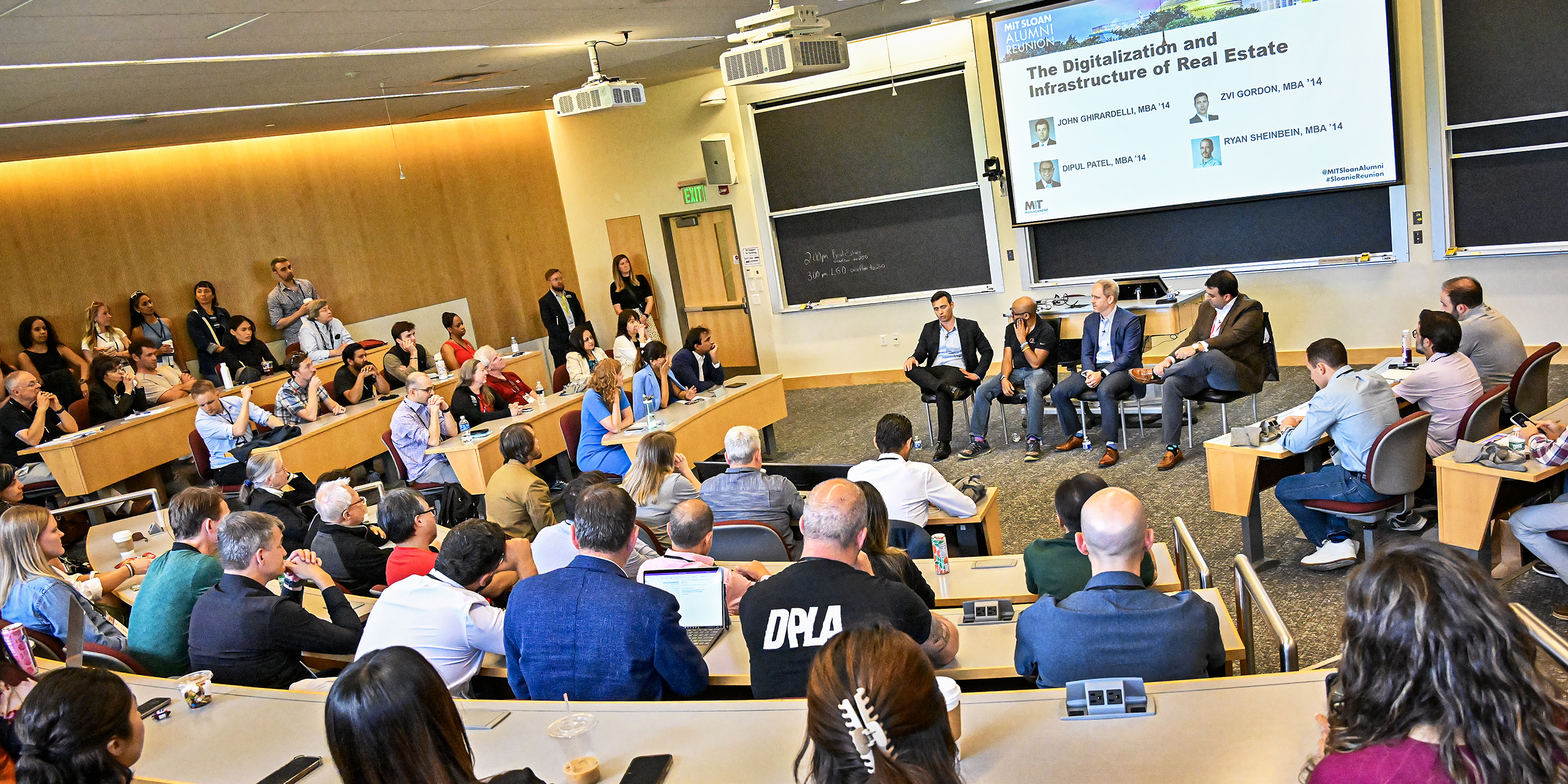 Real Estate: A New Game
The real estate industry is undergoing a transformation, moving beyond traditional residential and commercial spaces to include assets like data centers, cell phone towers, and renewable energy farms. “Real estate is really an industry of innovate or die,” said
Real Estate: A New Game
The real estate industry is undergoing a transformation, moving beyond traditional residential and commercial spaces to include assets like data centers, cell phone towers, and renewable energy farms. “Real estate is really an industry of innovate or die,” said 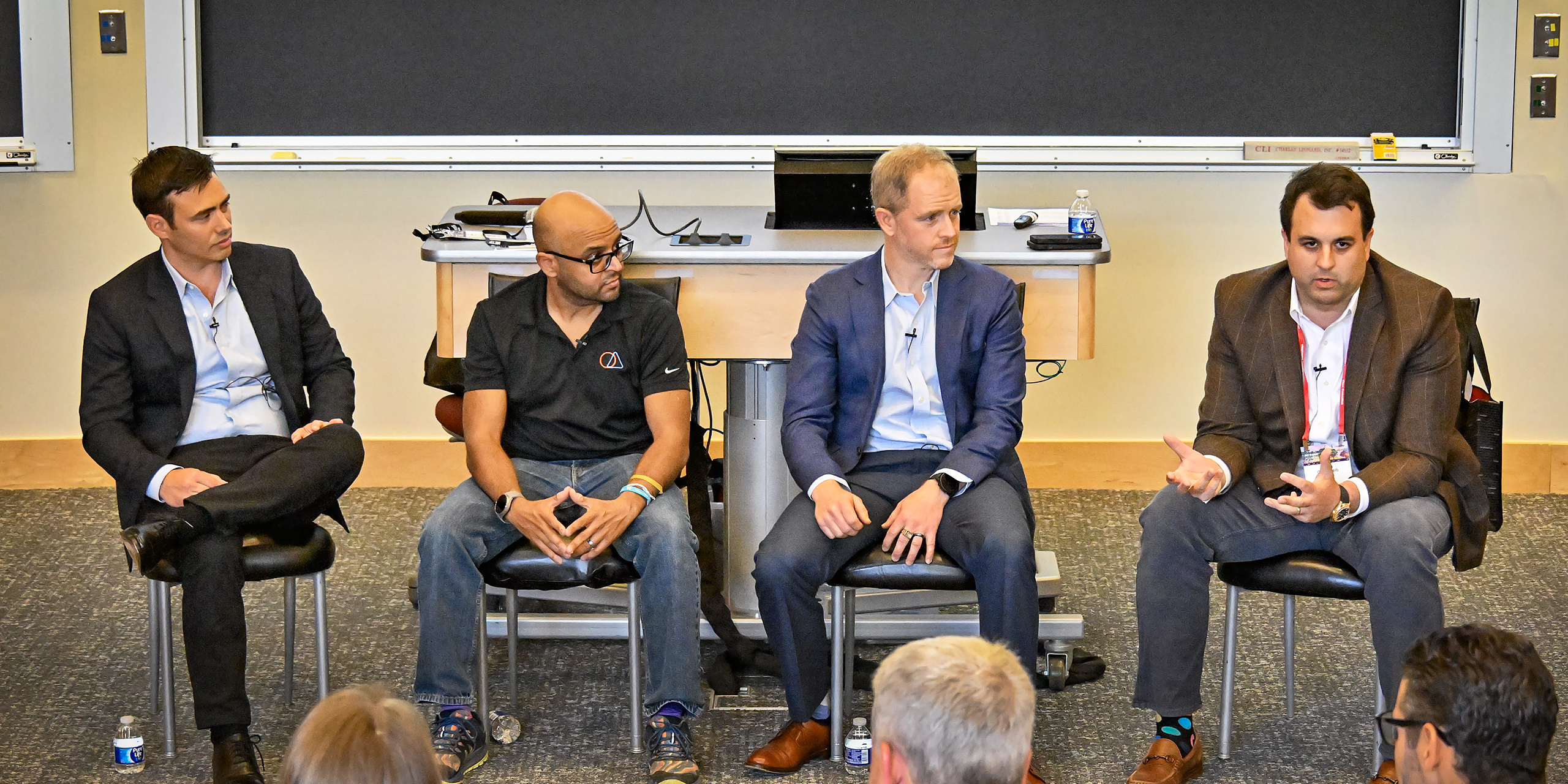 Conclusion
The insights shared at the
Conclusion
The insights shared at the